Tummy Tuck After Weight Loss: Cost, Insurance & Panniculectomy vs. Abdominoplasty
{ if eq .Lang "zh" }{ else }{ end }You lost 100 pounds. Maybe 150. You did the hard work, and now you’re dealing with a large apron of hanging skin across your abdomen — and your surgeon gave you a quote somewhere between $9,000 and $18,000. Before you panic, understand that the procedure you’re quoted matters as much as the price tag.
There are two very different operations for abdominal skin removal after major weight loss: a panniculectomy and an abdominoplasty (tummy tuck). One is often covered by insurance. One almost never is. Knowing the difference could save you thousands.
Panniculectomy vs. Abdominoplasty: What’s the Difference?
A panniculectomy removes only the hanging pannus — the redundant lower abdominal skin that drapes over the pubic area and thighs. It addresses function: rashes, infections, hygiene problems, difficulty walking. Insurance may cover it if you meet medical criteria.
An abdominoplasty does more. It tightens the underlying abdominal muscles (diastasis recti repair), removes excess skin from a larger area, and repositions the navel. It’s cosmetic in intent. Insurance almost never covers it.
Many post-bariatric patients need elements of both. Surgeons will sometimes combine them, billing the panniculectomy to insurance and billing abdominoplasty as a separate self-pay add-on.
| Procedure | Typical Self-Pay Cost |
|---|---|
| Panniculectomy only | $4,000 – $12,000 |
| Full abdominoplasty | $8,000 – $15,000 |
| Extended abdominoplasty (flanks included) | $10,000 – $20,000 |
| Combined panno + tummy tuck (staged billing) | $12,000 – $22,000 |
When Insurance Covers a Panniculectomy
The American Society of Plastic Surgeons (ASPS) notes that insurance coverage for panniculectomy typically requires documented functional impairment — not just cosmetic concern. Most major insurers (Aetna, UnitedHealthcare, Cigna) use similar criteria:
- The pannus hangs below the pubic symphysis (Grade II or higher)
- You have documented skin conditions beneath the fold: intertrigo, dermatitis, candidiasis, or repeated bacterial infections
- Conservative treatment (antifungals, moisture barriers, weight loss attempts) has failed
- Stable weight for at least 6 months post-bariatric surgery (most require 12–18 months)
The ASPS reported in a 2021 survey that panniculectomy and lower body lift procedures combined increased by 29% over the prior five years, driven primarily by post-bariatric patients.
ICD-10 Codes That Support Insurance Claims
- L30.4 – Erythema intertrigo (skin fold rash)
- L02.211 / L02.219 – Cutaneous abscess, abdominal wall
- B37.2 – Candidiasis of skin/nails
- L98.4 – Chronic skin ulcer
- M79.3 – Panniculitis NOS
Your surgeon’s billing team should document these at every pre-op visit. Photos of the rash or infection are essential for the prior authorization packet.
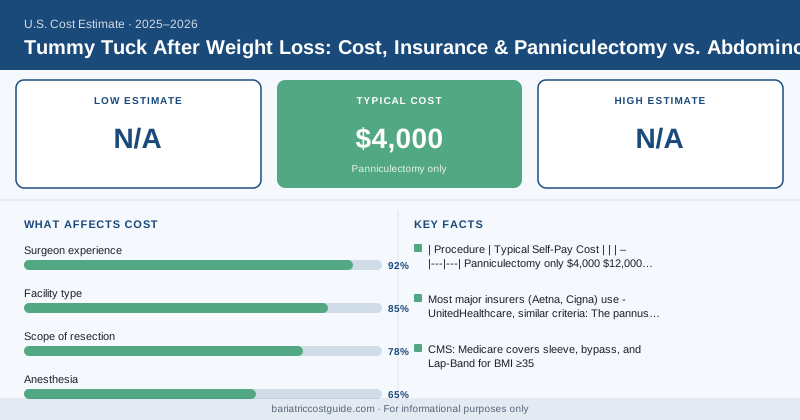
What Drives the Cost Variation?
A $9,000 panniculectomy in Oklahoma and a $19,000 extended abdominoplasty in Manhattan involve very different procedures, surgeons, and facilities — but even within the same metro, prices swing dramatically.
Key cost drivers:
- Surgeon experience: Board-certified plastic surgeons with post-bariatric fellowship training typically charge 20–40% more than general plastic surgeons
- Facility type: Hospital-based ORs cost more than accredited ambulatory surgical centers
- Scope of resection: A small pannus removal is a 1–2 hour case; an extended abdominoplasty with muscle repair runs 3–5 hours
- Anesthesia: General anesthesia runs $150–$300 per hour; total often $1,000–$2,500
- Geographic market: NYC, LA, and Chicago command premiums of 30–60% over national averages
How the Insurance Authorization Process Works
Getting pre-auth isn’t fast. Most patients describe a 60–120 day process:
- Primary care or bariatric surgeon documents functional complaints (rash, infection, difficulty with hygiene, ambulation)
- Plastic surgeon evaluates and submits prior authorization with photographs, medical records, ICD-10 codes
- Insurer reviews — often denies on first submission
- Appeal with additional documentation: dermatology records, wound care notes, letters of medical necessity
- Peer-to-peer review between plastic surgeon and insurer’s medical director
Financing Your Out-of-Pocket Costs
Even if insurance covers the panniculectomy, you’ll likely owe:
- Deductible: $1,500–$6,000 depending on plan
- Co-insurance (20% after deductible): potentially $2,000–$5,000
- Abdominoplasty add-on (self-pay): $4,000–$10,000
Most plastic surgery practices offer CareCredit, Alphaeon, or Prosper Healthcare Lending at promotional rates. A 12–18 month 0% APR plan on a $6,000 balance runs about $333–$500/month.
Questions to Ask Your Surgeon Before You Book
- Are you billing the panniculectomy to insurance separately from any cosmetic add-ons?
- What’s your prior authorization approval rate for panniculectomy?
- If insurance denies coverage, what’s the self-pay panniculectomy price?
- Do you perform the muscle repair (plication) as part of this, and is that separately billed?
- What’s included in your quote — OR fee, anesthesia, compression garment, follow-up visits?
The gap between “I’ll pay $10,000” and “I’ll pay $2,000 after insurance” often comes down to a single well-documented prior auth. It’s worth the paperwork.
{ if eq .Lang "zh" }Disclaimer: BariatricCostGuide provides cost data for educational purposes only. We are not a medical provider, insurance company, or financial advisor. All costs are estimates based on published data and vary by location, facility, surgeon, insurance plan, and individual health factors. Consult a board-certified bariatric surgeon and your insurance carrier for personalized medical and cost advice.