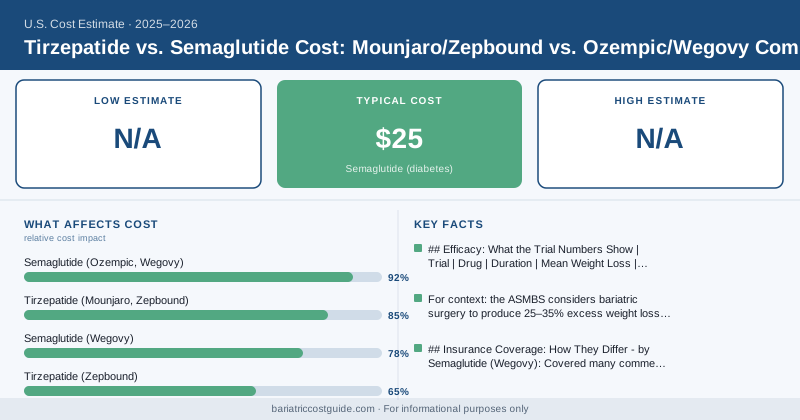
Tirzepatide vs. Semaglutide Cost: Mounjaro/Zepbound vs. Ozempic/Wegovy Compared
{ if eq .Lang "zh" }{ else }{ end }The SURMOUNT-1 trial result landed in June 2022 like a grenade in the obesity medicine world: patients on tirzepatide lost an average of 22.5% of their body weight over 72 weeks. That’s not a rounding error improvement over semaglutide’s 15% — it’s approaching the territory of bariatric surgery, which averages 25–30% excess weight loss. For the first time, a pill-shaped future for severe obesity treatment looked genuinely plausible.
So why isn’t everyone on tirzepatide? Cost, coverage, and access. Here’s how the two drugs actually compare.
The Mechanism Difference
Semaglutide (Ozempic, Wegovy) — GLP-1 receptor agonist only. It mimics glucagon-like peptide-1, slowing gastric emptying, reducing appetite, and improving insulin secretion. Weekly injection (or daily oral for Rybelsus, the diabetes tablet version).
Tirzepatide (Mounjaro, Zepbound) — Dual GIP + GLP-1 receptor agonist. It activates both GLP-1 and GIP (glucose-dependent insulinotropic polypeptide) receptors simultaneously. This dual mechanism is why the weight loss exceeds semaglutide’s — GIP appears to have synergistic effects on fat tissue and energy metabolism that aren’t fully understood yet. Also weekly injection.
Both are made by different companies: semaglutide is Novo Nordisk, tirzepatide is Eli Lilly.
Cost Side by Side
| Drug | Brand | Manufacturer | Monthly Cash Price | Savings Program Price | Insurance Co-pay (est.) |
|---|---|---|---|---|---|
| Semaglutide (diabetes) | Ozempic | Novo Nordisk | $900–$1,100 | $25/mo (income-restricted) | $25–$100 |
| Semaglutide (weight loss) | Wegovy | Novo Nordisk | $1,300–$1,400 | $25/mo (new patients) | $25–$200 |
| Tirzepatide (diabetes) | Mounjaro | Eli Lilly | $900–$1,100 | $25/mo (income-restricted) | $25–$100 |
| Tirzepatide (weight loss) | Zepbound | Eli Lilly | $950–$1,300 | $25/mo (new patients) | $25–$200 |
At full cash price, the drugs are remarkably similar — typically within $100–$200/month of each other. The savings programs are also comparable: both manufacturers offer ~$25/month cards for commercially insured patients who meet income thresholds.
The cost-per-pound-lost calculation, though, heavily favors tirzepatide. If you’re paying $1,200/month cash and averaging 22% weight loss instead of 15%, you’re getting significantly more outcome per dollar.
Efficacy: What the Trial Numbers Show
| Trial | Drug | Duration | Mean Weight Loss | % Losing ≥20% Body Weight |
|---|---|---|---|---|
| STEP 1 (NEJM, 2021) | Semaglutide 2.4mg | 68 weeks | 14.9% | 32% |
| SURMOUNT-1 (NEJM, 2022) | Tirzepatide 15mg | 72 weeks | 22.5% | 57% |
| SURMOUNT-4 (JAMA, 2023) | Tirzepatide 15mg | 88 weeks | 25.3% (continued arm) | — |
The gap is real and clinically meaningful. In SURMOUNT-1, 57% of tirzepatide patients at the highest dose lost at least 20% of their body weight. In STEP 1, that figure was 32% for semaglutide. Both trials excluded patients with type 2 diabetes to isolate the weight loss effect.
For context: the ASMBS considers bariatric surgery to produce 25–35% excess weight loss on average. Tirzepatide, at its highest dose in motivated trial participants, approaches that range without surgery.
The SELECT Trial Changed Semaglutide's Insurance Story
Insurance Coverage: How They Differ
Semaglutide (Wegovy):
- Covered by many commercial insurers since 2021–2022
- Medicare Part D coverage approved for patients with established CVD (post-SELECT, 2024)
- Step therapy sometimes required (must try liraglutide first)
- Some employer plans exclude all anti-obesity medications
Tirzepatide (Zepbound):
- FDA-approved for weight loss in November 2023 — coverage is still catching up
- Most major commercial insurers have added it to formularies as of 2024–2025
- Medicare coverage for weight loss indication pending broader obesity drug legislation
- Mounjaro (diabetes indication) more widely covered for T2D patients
Both drugs face the same fundamental barrier: about 50% of US commercial employer plans still exclude anti-obesity medications as a covered benefit. That’s been shifting since 2022–2023, but it hasn’t fully resolved.
Side Effects: Any Meaningful Differences?
The GI side effect profiles are similar — nausea, vomiting, diarrhea, constipation during dose escalation. Tirzepatide’s titration schedule is longer (starting at 2.5 mg, stepping up every 4 weeks toward a maximum of 15 mg), which many patients find easier to tolerate than semaglutide’s more compressed ramp.
Both carry black box warnings for thyroid C-cell tumors based on rodent data. Neither is recommended for patients with personal or family history of medullary thyroid carcinoma or MEN2.
One clinical observation emerging from real-world use: some patients who’ve tried semaglutide and plateaued have switched to tirzepatide and continued losing weight. The dual mechanism may engage pathways that pure GLP-1 agonism doesn’t fully activate. This isn’t officially studied head-to-head in a weight loss trial yet.
Which Drug Should You Ask About?
Choose tirzepatide (Zepbound) if:
- Your insurance covers it and you’re starting fresh — the efficacy advantage is real
- You’ve tried semaglutide and want significantly better results
- You don’t have specific cardiovascular disease contraindications pointing to semaglutide
Choose semaglutide (Wegovy/Ozempic) if:
- Your plan covers Wegovy but not Zepbound (formulary coverage may dictate this)
- You have documented cardiovascular disease and qualify for Medicare’s CVD coverage pathway
- Your physician recommends it based on your specific clinical profile
Neither makes sense if:
- Cash price is prohibitive for ongoing use and you’re not getting insurance coverage — at $1,000+/month indefinitely, the economics may favor bariatric surgery financing options over lifetime drug costs
- You’re considering surgery — discuss with your bariatric surgeon whether pre-operative GLP-1 therapy improves surgical outcomes (some data suggests it does)
For detailed pricing on each drug, see our dedicated guides: Mounjaro cost, Ozempic cost, Wegovy cost, and for a broader overview, GLP-1 medication costs.
{ if eq .Lang "zh" }Disclaimer: BariatricCostGuide provides cost data for educational purposes only. We are not a medical provider, insurance company, or financial advisor. All costs are estimates based on published data and vary by location, facility, surgeon, insurance plan, and individual health factors. Consult a board-certified bariatric surgeon and your insurance carrier for personalized medical and cost advice.