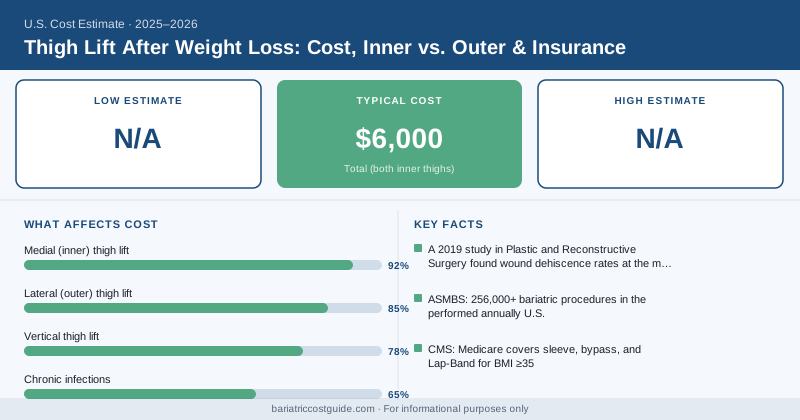
Thigh Lift After Weight Loss: Cost, Inner vs. Outer & Insurance
{ if eq .Lang "zh" }{ else }{ end }Inner thigh skin that rubs together with every step isn’t just uncomfortable — after major weight loss, the chafing can become chronic and genuinely debilitating. A patient in a Reddit bariatric forum described it perfectly: “I lost 130 pounds and I still can’t walk a mile without my thighs destroying each other.” That’s the reality for a significant portion of post-bariatric patients, and it’s exactly the functional argument that sometimes — not always, but sometimes — persuades insurance to cover a medial thigh lift.
The cost of a thigh lift after weight loss ranges from $6,000 to $12,000 depending on the technique, facility, and geography. Here’s what actually drives that number.
Thigh Lift Cost Breakdown
| Cost Component | Typical Range |
|---|---|
| Surgeon fee | $3,500 – $6,500 |
| Anesthesia | $900 – $2,000 |
| Facility fee | $1,500 – $4,000 |
| Compression garments | $100 – $250 |
| Pre-op testing and clearance | $200 – $500 |
| Total (both inner thighs) | $6,000 – $12,000 |
Inner Thigh Lift vs. Outer Thigh Lift: Different Procedures
Post-bariatric patients need to understand which type of thigh lift they’re discussing with their surgeon — the anatomy and cost differ meaningfully.
Medial (inner) thigh lift: Removes excess skin from the inner upper thigh. Incision runs along the groin crease, sometimes extending down the inner thigh. This is the most common post-bariatric thigh procedure. Cost: $6,000–$10,000.
Lateral (outer) thigh lift: Addresses outer thigh and hip area. The incision typically runs from the hip toward the lower back and is often incorporated into a lower body lift. Less commonly done in isolation. Cost when standalone: $7,000–$12,000.
Vertical thigh lift: For severe skin excess extending to the knee. Incision runs vertically along the inner thigh — more extensive and carries a more visible scar. Cost: $8,000–$13,000.
The ASPS 2022 statistics show thigh lifts increased substantially over the prior two decades, with post-bariatric patients representing the majority of new candidates for the procedure.
Does Insurance Cover a Thigh Lift?
More often than an arm lift. Less often than a panniculectomy. The answer depends almost entirely on documentation.
Insurance considers a medial thigh lift medically necessary when:
- Skin folds cause recurrent intertrigo (documented with dermatology records)
- Chronic infections — bacterial or fungal — in the inner thigh skin fold
- Functional limitation: inability to walk, exercise, or maintain hygiene without pain from skin friction
- Failed conservative treatment with antifungal creams, moisture barriers, and barrier clothing
The key phrase insurers want to see in documentation is “functional impairment that interferes with activities of daily living.” A rash that comes and goes doesn’t qualify. Rashes that recur every summer, require physician treatment, and prevent normal walking — documented over 12+ months — have a much better chance.
Building an Insurance Case for Thigh Lift
If you’re hoping for coverage, start documenting now — even if surgery is 12 months away:
- See your primary care physician every time you have a skin fold rash, not just when it’s severe
- Ask for dermatology referrals to establish a specialist record
- Get photos taken at medical appointments
- Document any OTC treatments (Lotrimin, Desitin) you’ve tried
- Ask your bariatric surgeon to include skin complications in their post-op notes
The difference between approval and denial often comes down to whether you have 6–18 months of documented medical records — not just one appointment.
The Combination Procedure Question
Many post-bariatric patients consider combining a medial thigh lift with other procedures — particularly a lower body lift or tummy tuck. There are real cost savings to doing this: one anesthesia event, one facility fee, shared OR time.
Typical combined cost savings: $2,000–$5,000 versus doing each procedure separately.
The tradeoff is recovery complexity and wound healing risk. The inner thigh is a challenging healing zone, and combining it with abdominal work means both areas are simultaneously recovering. Surgeons experienced in post-bariatric contouring typically recommend combining only when the patient’s nutritional status is excellent (normal albumin, no vitamin deficiencies) and total OR time stays under 7–8 hours.
Recovery Timeline and Costs
Plan for:
- 1–2 weeks off work (desk jobs); 4–6 weeks if your job involves standing/walking
- No lower body exercise for 6–8 weeks
- Compression garments worn continuously for 6 weeks: $80–$200
- 4–6 follow-up visits (usually included in surgical fee)
- Scar care products: $30–$80/month for 3–6 months
Budget an additional $400–$800 for the post-op recovery period beyond the surgical quote.
What to Look for in a Surgeon
- Board certification by ABPS (American Board of Plastic Surgery)
- Specific experience with post-bariatric thigh procedures — ask to see before/after photos of patients with similar amount of skin excess to yours
- Transparent discussion of complication rates — not just marketing language
- Coordination with your bariatric team if you’re still in active follow-up care
Disclaimer: BariatricCostGuide provides cost data for educational purposes only. We are not a medical provider, insurance company, or financial advisor. All costs are estimates based on published data and vary by location, facility, surgeon, insurance plan, and individual health factors. Consult a board-certified bariatric surgeon and your insurance carrier for personalized medical and cost advice.