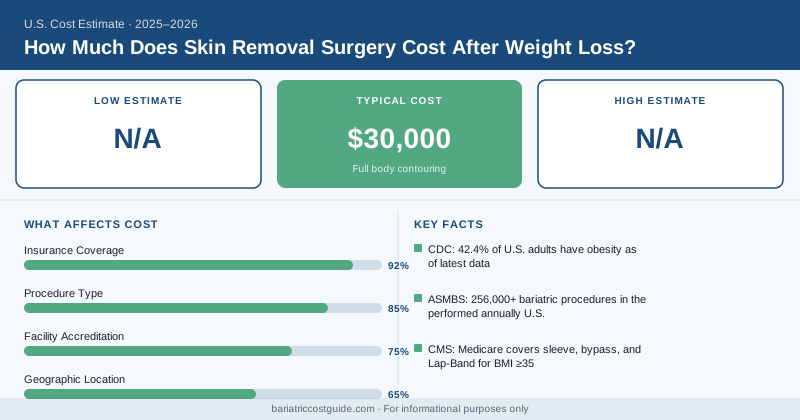
How Much Does Skin Removal Surgery Cost After Weight Loss?
{ if eq .Lang "zh" }{ else }{ end }In 2010, a patient who lost 120 pounds and wanted the leftover skin removed might’ve paid $10,000 and called it done. Today that same patient is often looking at $25,000 to $40,000 once you add up the multiple areas — abdomen, arms, thighs, chest — that loose skin tends to affect after dramatic weight loss. The procedures haven’t changed much. The reality of what “skin removal” actually involves has.
After losing 100+ pounds, excess skin isn’t vanity — it can cause rashes, infections, and mobility problems. But insurance and your wallet treat it very differently from the bariatric surgery that got you there.
What Each Area Costs
Skin removal isn’t one operation. It’s a menu, and the bill scales with how many areas you treat.
| Procedure | Area Treated | Typical Cost (Self-Pay) |
|---|---|---|
| Panniculectomy | Lower abdominal apron | $8,000 – $18,000 |
| Tummy tuck (abdominoplasty) | Abdomen + muscle repair | $8,000 – $20,000 |
| Arm lift (brachioplasty) | Upper arms | $5,000 – $9,000 |
| Thigh lift | Inner/outer thighs | $7,000 – $12,000 |
| Breast lift / chest | Chest | $6,000 – $12,000 |
| Lower body lift | 360° abdomen + back | $15,000 – $30,000 |
| Full body contouring | Multiple areas combined | $30,000 – $50,000+ |
Most post-bariatric patients want more than one area addressed, which is why the total so often lands in the five-figure range. Combining procedures in a single surgery can save on anesthesia and facility fees versus doing them separately.
Will Insurance Cover Any of It?
This is where people get blindsided. Insurance generally treats body contouring as cosmetic — and cosmetic means you pay. The one big exception is the panniculectomy, which removes the overhanging “apron” of lower-abdominal skin.
When Insurance Might Cover a Panniculectomy
Insurers may approve a panniculectomy (but rarely a full tummy tuck) if you document:
- Chronic rashes or skin infections under the skin fold that don’t resolve with treatment
- Recurrent fungal infections or open sores
- Functional impairment from the overhanging skin
- Weight stable for 6–12 months after bariatric surgery
- Photos and a treatment history from your doctor
The cosmetic muscle-tightening of a tummy tuck is almost never covered, even when the skin removal is.
A panniculectomy is the most likely procedure to get coverage; a tummy tuck almost never is, because the muscle repair is considered cosmetic.
Why It’s Worth Budgeting For Upfront
The surgery that helped you lose the weight rarely includes skin removal. When you priced your gastric sleeve, this wasn’t in it. Smart patients set aside or finance for contouring while they’re still losing — because it can’t safely happen until your weight has been stable for several months to a year.
Frequently Asked Questions
When can I have skin removal after weight loss? Most surgeons want your weight stable for 6–12 months and you to be at or near your goal. Operating too early risks needing a second procedure as you keep losing.
Does insurance ever cover a tummy tuck after weight loss? The skin-removal portion (panniculectomy) may be covered with documented medical problems; the muscle-tightening tummy tuck portion almost never is. You’d pay for the cosmetic part.
How much can I save by combining procedures? Combining areas in one surgery shares the anesthesia and facility fees, often saving thousands versus separate operations — though it makes recovery more intense.
Is skin removal covered by Medicare or Medicaid? Sometimes a medically necessary panniculectomy is, with strong documentation of recurrent infections or functional impairment. Purely cosmetic contouring is not.
Can I finance body contouring? Yes — the same financing options used for bariatric surgery (CareCredit, healthcare loans, HSA/FSA) apply to skin removal.
How long is recovery? It varies by area, but plan on 2–6 weeks off normal activity, and longer for multiple combined procedures or a lower body lift.
The Bottom Line
Skin removal after major weight loss runs $8,000–$50,000+ depending on how many areas you treat, and full body contouring lands at the high end. Insurance usually covers only a panniculectomy — and only with documented rashes, infections, or functional impairment. Plan and budget for it while you’re still losing, because most plans treat it as cosmetic.
{ if eq .Lang "zh" }Disclaimer: BariatricCostGuide provides cost data for educational purposes only. We are not a medical provider, insurance company, or financial advisor. All costs are estimates based on published data and vary by location, facility, surgeon, insurance plan, and individual health factors. Consult a board-certified bariatric surgeon and your insurance carrier for personalized medical and cost advice.