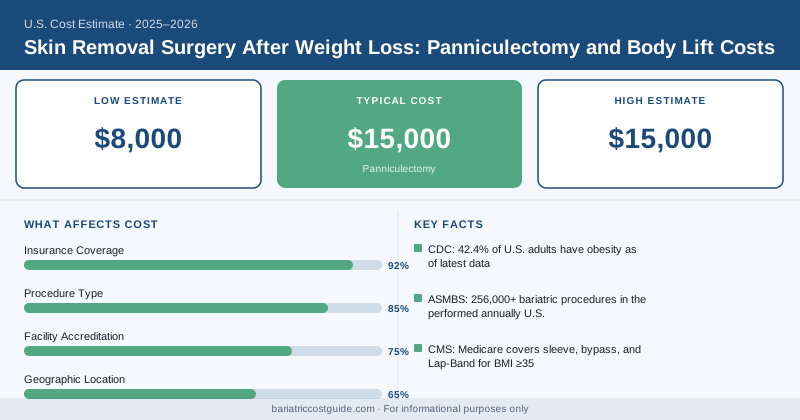
Skin Removal Surgery After Weight Loss: Panniculectomy and Body Lift Costs
{ if eq .Lang "zh" }{ else }{ end }After losing 100+ pounds, many bariatric patients are left with significant excess skin — and no one talks about this cost before surgery. Skin removal procedures add $8,000–$50,000 to the total cost of your weight loss journey, depending on how much skin needs to go and how many areas are involved.
Most of it isn’t covered by insurance. Some of it is. Here’s the full financial reality.
Why Excess Skin Happens After Major Weight Loss
When you lose 80–150 pounds, the skin that stretched over that mass doesn’t simply snap back. Skin elasticity declines with age and with how long you carried the weight. The result: loose, hanging skin folds — most commonly on the abdomen, arms, thighs, and breasts. This isn’t a cosmetic failure. It’s a physiological reality of major weight loss that affects quality of life, physical function, and can cause chronic skin infections.
ASPS (American Society of Plastic Surgeons) data shows that body contouring procedures after bariatric surgery have increased substantially as the bariatric surgery population has grown — with hundreds of thousands of procedures performed annually.
Skin Removal Procedures and Costs
| Procedure | Self-Pay Cost | What It Removes |
|---|---|---|
| Panniculectomy | $8,000 – $15,000 | Hanging abdominal skin (“pannus”) |
| Tummy tuck (abdominoplasty) | $10,000 – $20,000 | Abdominal skin + muscle tightening |
| Arm lift (brachioplasty) | $5,000 – $10,000 | Upper arm skin |
| Thigh lift | $7,000 – $14,000 | Inner/outer thigh skin |
| Breast lift (mastopexy) | $8,000 – $15,000 | Breast ptosis after weight loss |
| Lower body lift | $15,000 – $30,000 | Belt of skin around waist/hips |
| Full body lift (multiple areas) | $20,000 – $50,000 | Multiple areas in staged procedures |
What Insurance Actually Covers: The Panniculectomy Exception
Insurance almost never covers cosmetic procedures. But panniculectomy — removal of the abdominal pannus (the hanging skin fold below the belly button) — is an exception when medical necessity criteria are met.
Insurance coverage criteria for panniculectomy typically require:
- Documented skin rash, infections, or ulcerations beneath the skin fold that have persisted despite treatment
- Functional impairment (difficulty walking, standing, hygiene)
- Documentation from a dermatologist and/or PCP of failed conservative treatment
- Weight stable for 12–18 months post-bariatric surgery
When these criteria are documented, most commercial insurance plans and Medicare cover panniculectomy as a medically necessary procedure. The key word is “documented” — chronic rashes that aren’t in your medical record don’t satisfy insurance requirements.
How to Document for Panniculectomy Insurance Coverage
Start documenting skin problems immediately after bariatric surgery, even if mild. Your documentation timeline should show:
- Dermatologist visits for intertrigo, rash, or skin infections in the skin folds — at least 3–4 visits over 6–12 months
- PCP documentation of functional impairment at each visit
- Treatment attempts and failures — antifungal creams, barrier dressings, medicated powders
- Photographs in your medical record showing the affected area
Without this documentation, “I have excess skin and it gets irritated” won’t get insurance approval. With it, especially when a dermatologist confirms recurrent infections, approval rates are high.
You need weight stability (typically 12–18 months post-bariatric) before most insurers will approve panniculectomy.
Timing: When Are You Ready for Skin Removal?
Most plastic surgeons and bariatric programs recommend waiting 12–18 months after bariatric surgery before pursuing skin removal, for several reasons:
Weight stability. You need to be at or near your goal weight for 6–12 months before skin removal surgery. Operating on someone who is still actively losing weight means the results won’t hold.
Nutritional status. Post-bariatric patients must have optimal nutritional labs before any additional surgery. Protein, albumin, iron, vitamin D, and zinc all affect wound healing. Deficiencies significantly increase complication risk.
Smoking status. Plastic surgeons almost universally require smoking cessation for at least 4–6 weeks before and after skin removal. Smoking dramatically impairs wound healing and increases infection and wound separation risk.
Staging Multiple Procedures
Very few bariatric patients who need skin removal need only one area treated. Most need 2–5 procedures. Staging matters:
Financial staging: Each procedure is a separate cost. Getting everything done at once is occasionally possible but rarely advisable given recovery time and anesthesia duration.
Recovery staging: Each procedure requires 2–6 weeks of recovery. Trying to do everything simultaneously creates unrealistic recovery timelines.
Insurance staging: If your insurance covers panniculectomy, have that done first. Use the insurance-covered procedure to address the area with medical necessity, then self-pay for cosmetic procedures afterward.
Combining Panniculectomy with Abdominoplasty
Surgeons sometimes perform both panniculectomy (medically necessary, often covered) and a full tummy tuck (cosmetic, usually not covered) in the same operation. This is known as a combination procedure.
Insurance covers only the panniculectomy component. You pay out of pocket for the additional cosmetic elements (typically $3,000–$7,000 above the covered portion). The advantage: one anesthesia, one recovery, combined surgeon fees.
This combination is common and worth discussing with your plastic surgeon and insurance company in advance.
The Bottom Line
Skin removal after major weight loss adds $8,000–$50,000 to total bariatric costs, depending on areas treated. Panniculectomy is the one procedure that often qualifies for insurance coverage when skin complications are properly documented. For everything else — arms, thighs, breasts, full body lift — plan for self-pay. Timing matters: wait for weight stability, optimize nutritional labs, and choose a surgeon experienced specifically with post-bariatric body contouring. Budget for skin removal from the start of your bariatric journey — it’s a predictable, plannable expense.
{ if eq .Lang "zh" }Disclaimer: BariatricCostGuide provides cost data for educational purposes only. We are not a medical provider, insurance company, or financial advisor. All costs are estimates based on published data and vary by location, facility, surgeon, insurance plan, and individual health factors. Consult a board-certified bariatric surgeon and your insurance carrier for personalized medical and cost advice.