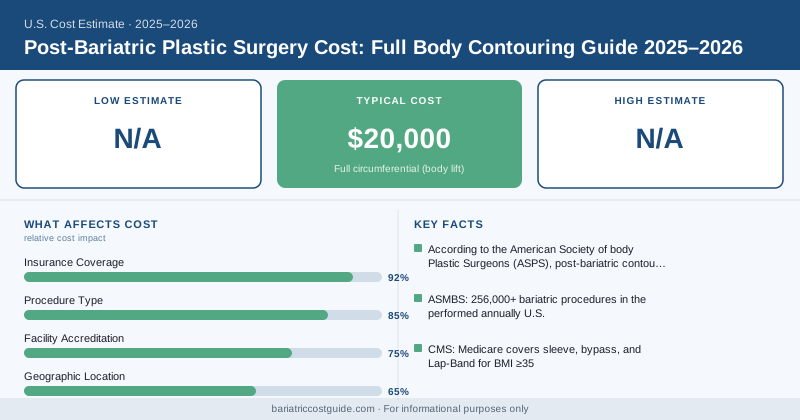
Post-Bariatric Plastic Surgery Cost: Full Body Contouring Guide 2025–2026
{ if eq .Lang "zh" }{ else }{ end }Lose 100 pounds. Look in the mirror. See the loose skin that didn’t come off with the weight. This is the part of the bariatric surgery journey that nobody puts in the before-and-after photos.
According to the American Society of Plastic Surgeons (ASPS), post-bariatric body contouring procedures have grown more than 30% over the past decade as bariatric surgery rates have increased. The demand is real — and so are the costs. Full post-bariatric body contouring can run $15,000–$50,000+, depending on how many areas you address and whether procedures are staged or combined.
Why Excess Skin Happens
Skin that has been stretched for years doesn’t snap back after rapid weight loss. The elastic fibers in skin degrade over time, and once stretched beyond a certain point, the skin retraction after weight loss is limited regardless of how good your results are. This is especially true for patients who:
- Lost 100+ lbs
- Were at their highest weight for more than 5 years
- Are older than 40 (skin elasticity declines with age)
- Lost weight quickly (as bariatric surgery is designed to do)
None of this is a failure. It’s biology.
Procedures and Individual Costs
| Procedure | What It Addresses | Typical Cost (Surgeon Fee Only) | All-In Cost (with Facility + Anesthesia) |
|---|---|---|---|
| Panniculectomy | Hanging lower abdomen apron | $4,000 – $8,000 | $7,000 – $14,000 |
| Tummy tuck (abdominoplasty) | Abdomen + muscle repair | $6,000 – $12,000 | $10,000 – $20,000 |
| Arm lift (brachioplasty) | Upper arm loose skin | $4,000 – $7,000 | $7,000 – $12,000 |
| Breast lift (mastopexy) | Sagging breasts (both sexes) | $5,000 – $9,000 | $8,000 – $15,000 |
| Thigh lift (medial or lateral) | Inner or outer thigh | $5,000 – $10,000 | $9,000 – $17,000 |
| Back lift / lower body lift | Hips, buttocks, outer thighs | $8,000 – $15,000 | $14,000 – $25,000 |
| Full circumferential (body lift) | All of above, combined | $20,000 – $40,000 | $30,000 – $55,000+ |
The Staging Strategy
You’re not going to do all of this at once — and you shouldn’t. Most experienced post-bariatric plastic surgeons recommend a staged approach for several reasons:
- Safety: Long combined surgeries increase anesthesia risk and blood loss
- Recovery: Your body needs time to heal between major procedures
- Financial: Staging spreads costs over time and lets you prioritize what bothers you most
A typical staging strategy for someone addressing multiple areas:
Stage 1 (most requested): Lower body — tummy tuck or panniculectomy, possibly combined with lower body lift. This is what most patients care about first, and it’s the foundation for subsequent upper body work.
Stage 2 (6–12 months later): Upper body — arm lift and/or breast lift. These are often combined by experienced surgeons in a single session since recovery areas don’t overlap.
Stage 3 (if desired): Thigh lift, back lift, or additional refinement procedures.
When Is the Right Time for Body Contouring Surgery?
Most plastic surgeons require:
- Stable weight for at least 12–18 months (weight stabilization is the single most important factor)
- BMI under 32–35 at time of surgery (some surgeons have stricter cutoffs)
- No tobacco use for 4–6 weeks before and after
- Normal nutritional labs (iron, albumin, vitamin D) — post-bariatric deficiencies increase surgical risk
Rushing body contouring while your weight is still dropping leads to worse results and higher revision rates. Patience here pays off both medically and cosmetically.
Panniculectomy vs. Tummy Tuck: The Insurance Question
This distinction matters for your wallet. A panniculectomy removes the hanging skin pannus from the lower abdomen but doesn’t tighten the abdominal muscles. Insurance will sometimes cover it as medically necessary if the skin fold causes documented chronic rashes, infections, or functional impairment.
A tummy tuck (abdominoplasty) does everything a panniculectomy does plus tightens the rectus muscles (diastasis repair) and improves contour. It’s cosmetic. Insurance never covers it.
If you have documented skin infections, intertrigo, or difficulty with hygiene beneath a significant pannus, pursue insurance coverage for panniculectomy aggressively. The documentation requirements include:
- 3–6 months of treatment with prescription antifungals or antibiotics
- Physician documentation of functional impairment
- Photographs
- Failed conservative treatment
Some patients get panniculectomy covered by insurance ($0–$3,000 OOP) and then pay surgeon fees only for the cosmetic upgrade to full abdominoplasty.
Tummy Tuck and Body Contouring Combined: The Math
Combining procedures saves money on facility and anesthesia fees — typically 15–30% compared to the same procedures done separately. A tummy tuck + arm lift done on the same day might cost $18,000–$25,000 combined vs. $28,000–$35,000 as separate surgeries.
But combining increases surgical time, blood loss, and recovery complexity. The combination decision should be based on surgeon recommendation and your medical fitness — not exclusively on financial optimization.
What Insurance Usually Covers
Usually covered (with documentation):
- Panniculectomy (when skin causes documented skin conditions or functional limitation)
- Gynecomastia surgery in men (when glandular tissue is present)
- Breast reduction (when meeting size/back pain criteria)
Never covered:
- Arm lift
- Thigh lift
- Cosmetic tummy tuck / abdominoplasty
- Back lift / body lift
- Breast lift (mastopexy)
Financing Options
With surgery costs running $15,000–$50,000+, almost everyone uses financing. Common options for post-bariatric plastic surgery:
- CareCredit: 0% promotional periods (12–24 months) for amounts up to $25,000; ongoing rate 26.99% APR
- Alphaeon Credit: Similar terms, accepted at more plastic surgery practices
- Personal loan: 8–20% APR depending on credit, often more transparent than medical credit cards
- HSA/FSA funds: Can cover panniculectomy if medically necessary; cannot cover purely cosmetic procedures
Many plastic surgery practices offer in-house payment plans for established patients. Ask.
Finding the Right Surgeon
For post-bariatric body contouring specifically, look for a board-certified plastic surgeon (ASPS member) who performs at least 50 post-bariatric procedures annually. This is a specialized subset of plastic surgery — the anatomy, nutritional risks, and complication patterns are different from standard body contouring on patients who haven’t had major weight loss. Ask candidates specifically: “What percentage of your body contouring practice is post-bariatric patients?”
{ if eq .Lang "zh" }Disclaimer: BariatricCostGuide provides cost data for educational purposes only. We are not a medical provider, insurance company, or financial advisor. All costs are estimates based on published data and vary by location, facility, surgeon, insurance plan, and individual health factors. Consult a board-certified bariatric surgeon and your insurance carrier for personalized medical and cost advice.