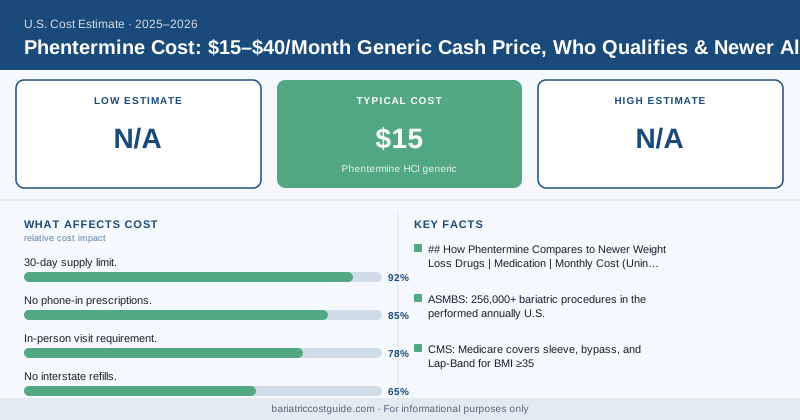
Phentermine Cost: $15–$40/Month Generic Cash Price, Who Qualifies & Newer Alternatives
{ if eq .Lang "zh" }{ else }{ end }$18. That’s what most Americans pay for a 30-day supply of generic phentermine at a major pharmacy chain — less than a tank of gas. It’s been FDA-approved for over 60 years, it’s the most-prescribed weight loss drug in the country, and despite the flood of GLP-1 headlines, millions of patients still start here. But there are real limitations: it’s Schedule IV, it’s short-term only, and the weight usually comes back when you stop.
Here’s everything you need to know before asking your doctor about it.
How Much Does Phentermine Cost?
Generic phentermine is genuinely cheap — one of the only weight loss medications that is. Brand-name Adipex-P costs more, but there’s no clinical reason to use it over generic.
| Formulation | Dose | Typical Cash Price (30-day) | Notes |
|---|---|---|---|
| Phentermine HCl generic | 37.5 mg tablets | $15–$30 | Most common dose |
| Phentermine HCl generic | 15 mg capsules | $12–$25 | For sensitive patients |
| Phentermine HCl generic | 30 mg capsules | $15–$28 | Mid-range option |
| Adipex-P (brand) | 37.5 mg | $40–$80 | No advantage over generic |
| Phentermine/topiramate ER (Qsymia) | Various | $180–$230 | Combo drug; different tier |
| GoodRx / discount card price | 37.5 mg | $13–$22 | Varies by pharmacy and zip code |
Most people pay $15–$40/month at retail with a discount card like GoodRx or SingleCare. If you have commercial insurance and your plan covers anti-obesity medications, phentermine is often Tier 1 or Tier 2 — as low as a $5–$15 co-pay. Medicaid coverage varies dramatically by state.
What Is Phentermine and How Does It Work?
Phentermine is a sympathomimetic amine — structurally similar to amphetamines — that works primarily by suppressing appetite. It stimulates the central nervous system to release norepinephrine, which reduces hunger signals and can increase energy expenditure slightly.
It’s been FDA-approved since 1959. The FDA approved it only for short-term use (typically 12 weeks or fewer). Prescribing it longer than that is off-label, though many physicians do prescribe it intermittently for longer periods.
Expected weight loss on phentermine alone: 5–7% of body weight over 12 weeks. That’s meaningful but modest. By comparison, GLP-1 drugs like Wegovy produce an average of 15% body weight loss, and tirzepatide (Mounjaro) averages around 22%.
DEA Schedule IV: What That Actually Means for You
Phentermine is a Schedule IV controlled substance under the DEA. That creates logistical friction:
- 30-day supply limit. Prescriptions are limited to a 30-day supply — no 90-day fills, no automatic refills
- No phone-in prescriptions. In most states, Schedule IV prescriptions must be written or transmitted electronically — not just called in verbally
- In-person visit requirement. Telehealth-only prescribing of Schedule IV drugs became more restricted after the DEA’s proposed rules in 2023, though registered telemedicine platforms may still qualify. Check with your provider
- No interstate refills. You generally can’t fill a phentermine prescription from a doctor in one state at a pharmacy in a different state
In practice, this means a monthly office visit or telehealth appointment to get each prescription. That adds cost: $50–$150/visit if you’re paying out-of-pocket for a primary care or obesity medicine specialist visit.
Real Monthly Cost Including Doctor Visits
Who Qualifies for Phentermine?
FDA-approved indications:
- BMI ≥ 30 (obesity, no comorbidity required)
- BMI 27–29.9 with at least one weight-related comorbidity: hypertension, type 2 diabetes, or high cholesterol
Contraindications — people who should NOT take phentermine:
- History of cardiovascular disease (heart disease, stroke, arrhythmia)
- Uncontrolled hypertension
- Hyperthyroidism
- History of drug abuse
- Pregnancy or nursing
- Taking MAO inhibitors (serious drug interaction)
- Glaucoma
The cardiovascular contraindications aren’t trivial. If you have any cardiac history, phentermine is usually off the table — and your doctor may push you toward GLP-1 options, which have demonstrated cardiovascular benefits in clinical trials.
How Phentermine Compares to Newer Weight Loss Drugs
| Medication | Monthly Cost (Uninsured) | Average Weight Loss | Duration | DEA Schedule |
|---|---|---|---|---|
| Phentermine generic | $15–$40 | 5–7% body weight | Short-term (12 weeks) | Schedule IV |
| Saxenda (liraglutide) | $1,200–$1,500 | 5–7% body weight | Ongoing | Not scheduled |
| Ozempic / Wegovy (semaglutide) | $800–$1,400 | 12–15% body weight | Ongoing | Not scheduled |
| Mounjaro / Zepbound (tirzepatide) | $900–$1,300 | 20–22% body weight | Ongoing | Not scheduled |
| Qsymia (phentermine/topiramate) | $180–$230 | 8–10% body weight | Longer-term option | Schedule IV |
The FDA’s own data from the SURMOUNT-1 trial (published in NEJM, 2022) showed tirzepatide participants losing an average of 22.5% of body weight over 72 weeks — roughly three times what phentermine produces in a quarter of the time. Cost is the main reason patients choose phentermine: the GLP-1 drugs are dramatically more effective but cost 30–80x more per month without insurance.
Should You Start With Phentermine?
Phentermine makes sense if:
- You’re newly starting weight loss treatment and want to assess medication response before committing to expensive drugs
- You have insurance or need to demonstrate medication trial before qualifying for bariatric surgery
- Your BMI and health history make you a good candidate (no cardiovascular contraindications)
- You understand it’s a short-term tool, not a long-term solution
It probably isn’t the right choice if:
- You have significant cardiac risk factors
- You’ve already tried phentermine and regained weight (common — very common)
- You’re considering long-term medication management and need sustained results
- You’re pursuing bariatric surgery and need to document 6+ months of medically supervised treatment (phentermine alone may not satisfy some insurance requirements)
How to Get Phentermine at the Lowest Price
- Always use a discount card: GoodRx, RxSaver, or SingleCare. Prices vary by 30–50% across pharmacies in the same zip code
- Ask for the generic (phentermine HCl) — never brand Adipex-P
- Compare warehouse clubs: Costco and Sam’s Club pharmacy often have lower prices than chain pharmacies
- Telehealth platforms bundle visits + prescription: Ro, Hims/Hers, Found, and similar services may offer better per-month economics if you’re paying out-of-pocket for everything
If phentermine works for you but the weight loss plateaus or regains, that’s a common point where patients explore GLP-1 medications or move toward considering bariatric surgery financing options for a more durable intervention.
{ if eq .Lang "zh" }Disclaimer: BariatricCostGuide provides cost data for educational purposes only. We are not a medical provider, insurance company, or financial advisor. All costs are estimates based on published data and vary by location, facility, surgeon, insurance plan, and individual health factors. Consult a board-certified bariatric surgeon and your insurance carrier for personalized medical and cost advice.