Ozempic vs. Bariatric Surgery Cost 2026: $15,600/Year vs. $15,000 One-Time
{ if eq .Lang "zh" }{ else }{ end }In 2020, the choice was simpler: surgery or nothing. Today, GLP-1 medications like Ozempic and Wegovy have genuinely disrupted that calculus. Your doctor might present both as real options — and the cost comparison is more nuanced than most online calculators suggest.
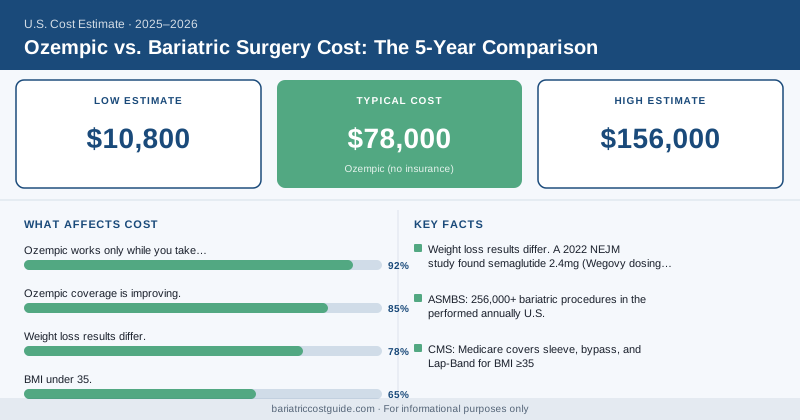
Here’s the number that cuts through the noise: at $15,600/year without insurance, Ozempic costs more annually than a one-time gastric sleeve procedure ($15,000 average). By year 5 off insurance, the medication has cost three to five times what surgery would have. But the decision isn’t purely arithmetic. Your insurance situation, your BMI, your health risks, and your tolerance for a permanent procedure all matter.
The 5-Year Cost Comparison
| Option | Year 1 Cost | Years 2–5 Annual | 5-Year Total | 10-Year Total |
|---|---|---|---|---|
| Ozempic/Wegovy (no insurance) | $10,800 – $15,600 | $10,800 – $15,600 | $54,000 – $78,000 | $108,000 – $156,000 |
| Ozempic/Wegovy (with $150/mo copay) | $1,800 | $1,800 | $9,000 | $18,000 |
| Gastric sleeve (self-pay) | $10,000 – $23,000 | $500 – $1,200* | $12,000 – $27,800* | $14,000 – $31,000* |
| Gastric bypass (self-pay) | $15,000 – $32,000 | $700 – $1,500* | $17,800 – $38,000* | $20,000 – $44,000* |
| Bariatric surgery (with insurance) | $2,000 – $8,000 | $500 – $1,200* | $4,000 – $12,800* | $6,000 – $17,000* |
*Post-surgical costs include vitamins and supplements, annual labs, and follow-up visits.
The math shifts dramatically based on your insurance situation. If you pay out of pocket for both, surgery wins decisively by year 3. If your plan covers Ozempic at a $150/month copay but surgery costs you $6,000 out of pocket, the comparison is much closer over 5 years — and tilts toward medication if you factor in no recovery time and no surgical risk.
How Weight Loss Compares: The Clinical Data
The STEP 1 clinical trial, published in the New England Journal of Medicine in 2021, showed semaglutide 2.4mg (Wegovy dosing) produced an average 14.9% total body weight loss over 68 weeks. That’s meaningful. But gastric sleeve produces 25–35% total body weight loss on average, and gastric bypass achieves 30–40%. For a 250-pound patient, the difference is 37 pounds lost on semaglutide versus 70–90 pounds lost with surgery.
That gap matters clinically. Patients with severe obesity, weight-related joint disease, or type 2 diabetes are far more likely to achieve meaningful remission with surgical weight loss than with medication alone.
The Ozempic Discontinuation Problem
Insurance Coverage: Where the Decision Often Gets Made
This is the practical reality most comparison articles bury: what your insurance actually covers often determines which option makes sense, regardless of what the long-term math says.
Bariatric surgery coverage: Roughly 45–50% of employer health plans cover bariatric surgery when you meet criteria (BMI ≥ 40, or BMI ≥ 35 with serious comorbidities like diabetes or sleep apnea). Medicare covers bariatric surgery at MBSAQIP-accredited facilities. Medicaid coverage varies by state — most cover it, but Arkansas, Missouri, and a few others have limited coverage. If your plan covers surgery, your out-of-pocket cost drops to $2,000–$8,000 in most cases.
Ozempic/Wegovy for obesity coverage: Ozempic is FDA-approved for type 2 diabetes, not obesity. It’s sometimes used off-label for weight loss. Wegovy is FDA-approved specifically for obesity but is covered by fewer plans. As of 2026, an estimated 25–35% of commercial plans cover Wegovy or similar GLP-1s for obesity. Some states have added Medicaid coverage for GLP-1 obesity treatment. If your plan covers it, your monthly cost drops from $1,300 to $30–$200 in copays.
The mismatch scenario: Some plans cover one but not the other. Your employer’s plan might cover surgery but not Wegovy, or vice versa. Pull your Summary of Benefits and Coverage document and look at both before your provider conversation.
When Ozempic Makes More Sense Than Surgery
Surgery isn’t always the better answer. Semaglutide has genuine advantages in specific situations:
- BMI under 35: You likely don’t qualify for bariatric surgery, but you may qualify for GLP-1 treatment (FDA-approved for BMI ≥ 27 with a weight-related condition)
- High surgical risk: Significant cardiac or pulmonary disease that elevates anesthesia risk makes medication the safer first-line option
- Bridge therapy: Ozempic before surgery can reduce operative risk in very-high-BMI patients who need to lose weight before it’s safe to operate
- Established cardiovascular disease: The SELECT trial (2023) showed semaglutide reduced major cardiovascular events by 20% in patients with existing CV disease — a benefit that extends beyond weight loss
- Insurance covers medication but not surgery: If your Wegovy copay is $75/month and surgery costs $20,000 out of pocket, medication is the financially rational choice in the short term
The Hybrid Path: GLP-1s After Surgery
One option neither the medication nor the surgery camps talk about enough: using GLP-1 medications after bariatric surgery if weight regain occurs. Approximately 20–30% of patients experience significant weight regain 5–10 years post-surgery. Semaglutide after surgery has shown meaningful results in clinical trials for this scenario — and at that point, you’ve already paid the one-time surgery cost and can weigh the ongoing medication expense against regaining significant weight.
This isn’t a common decision today, but it’s increasingly part of bariatric programs’ long-term management protocols.
Bottom Line
Without insurance, Ozempic costs $15,600/year versus a one-time $15,000 gastric sleeve — making surgery dramatically more cost-effective by year 3. With insurance covering medication at a $150/month copay, the comparison becomes much closer. The decision ultimately depends on: what your insurance actually covers, whether you qualify for surgery (BMI thresholds), your cardiovascular risk profile, and whether you’re ready for a permanent anatomical change. For most patients with BMI ≥ 35 who qualify for surgery and have insurance coverage for it, the long-term cost and efficacy math favors bariatric surgery. For lower-BMI patients, high surgical risk, or those with GLP-1 insurance coverage but not surgical coverage, medication is the realistic path.
{ if eq .Lang "zh" }Disclaimer: BariatricCostGuide provides cost data for educational purposes only. We are not a medical provider, insurance company, or financial advisor. All costs are estimates based on published data and vary by location, facility, surgeon, insurance plan, and individual health factors. Consult a board-certified bariatric surgeon and your insurance carrier for personalized medical and cost advice.