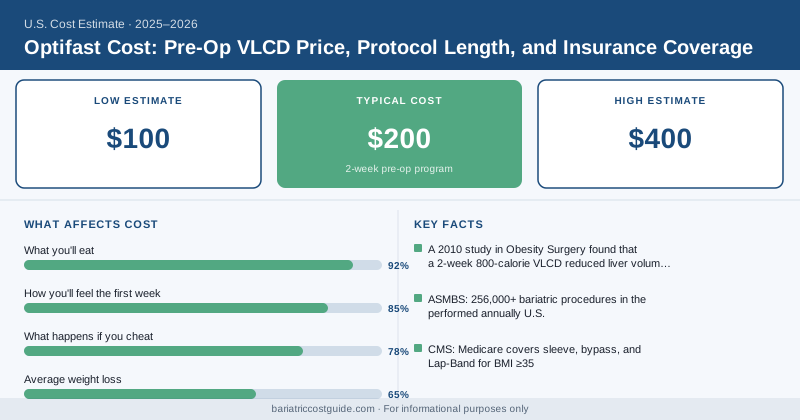
Optifast Cost: Pre-Op VLCD Price, Protocol Length, and Insurance Coverage
{ if eq .Lang "zh" }{ else }{ end }Your surgeon asks you to do two to four weeks of a liquid-only diet before bariatric surgery. They hand you a packet about Optifast. You get home and find out it costs $150/week — and insurance usually won’t pay for it.
Here’s what that diet actually costs, why surgeons require it, and whether there are cheaper alternatives that accomplish the same thing.
What Optifast Is and What It Costs
Optifast is a very low calorie diet (VLCD) product line made by Nestlé Health Science. It replaces all meals with medical shakes, bars, or soups typically containing 800–900 calories per day. The program is sold through physicians and hospital-based programs, not retail stores.
| Protocol Length | Weekly Cost | Total Cost |
|---|---|---|
| 2-week pre-op program | $100 – $200/week | $200 – $400 |
| 4-week pre-op program | $100 – $200/week | $400 – $800 |
| 12-week program (some programs) | $100 – $200/week | $1,200 – $2,400 |
| With physician program fees | Add $50 – $200 | Additional |
Pricing varies based on whether you purchase through a hospital bariatric program (often bundled into program fees), directly from your surgeon’s office, or through a nutrition counselor. Hospital programs typically mark up the product cost but include dietitian supervision in the bundle.
Why Surgeons Require This Diet
The liver shrinkage rationale isn’t marketing — it’s anatomically necessary. The liver sits directly over the stomach. In patients with obesity, the liver is often significantly enlarged and fatty (non-alcoholic fatty liver disease, or NAFLD), which impairs the surgical view and increases the risk of liver laceration during laparoscopic surgery.
A VLCD depletes liver glycogen stores within 24–48 hours, drawing water out of liver tissue. Over 2–4 weeks, liver volume can decrease by 15–25%, giving the surgeon significantly more working space. A 2010 study in Obesity Surgery found that a 2-week 800-calorie VLCD reduced liver volume by 16.6% on average.
The ASMBS doesn’t mandate a specific pre-op diet protocol across the board — that’s left to individual programs. Some require 2 weeks; others require 4–12 weeks depending on starting BMI and liver size assessment.
The Liver Shrinkage Protocol: What to Actually Expect
What you’ll eat: Typically 3–5 Optifast shakes or bars per day, 160–180 calories each. No solid food. Some programs allow non-starchy vegetables as a supplement.
How you’ll feel the first week: Hungry, tired, and possibly experiencing “keto flu” symptoms as your body shifts fuel sources. Most patients feel better by days 7–10.
What happens if you cheat: Your surgeon may be able to detect a non-compliant diet liver during laparoscopic surgery entry. Some surgeons will abort a procedure if the liver is too enlarged. This is rare but documented — the $400 in food replacement products is not the right place to cut corners.
Average weight loss: 5–15 pounds depending on starting weight and protocol length. This contributes to your surgical candidacy status and is tracked.
Does Insurance Cover Optifast?
Rarely. Medical nutrition therapy codes exist, but insurers typically don’t reimburse meal replacement products as a prescription item. The distinction: coverage for dietitian counseling (often covered) vs. coverage for the food products themselves (almost never covered).
Exceptions:
- Some bariatric programs bundle the Optifast cost into a global surgical package — in which case it may be indirectly covered as part of the overall procedure cost
- Flexible Spending Accounts (FSA) and Health Savings Accounts (HSA) can be used for Optifast if prescribed by a physician as medically necessary. IRS Publication 502 confirms that medical nutrition therapy ordered by a physician is an eligible HSA/FSA expense.
- Some specialty bariatric insurance policies include pre-op dietary protocols in their bundled coverage
Cheaper Alternatives That Accomplish the Same Goal
The goal is 800–900 calories/day of high-protein, low-carb nutrition. Optifast achieves this, but it’s not the only way.
Protein shakes: Premier Protein, Fairlife, or other commercial high-protein shakes cost $2–$3 each ($6–$9/day for three), totaling $85–$125/month. That’s less than Optifast if purchased strategically.
Protein powder + meal strategy: A tub of whey or casein protein ($30–$50) can provide 30 servings. Combined with low-calorie vegetables, you can hit similar macros for $50–$100/month.
The critical caveat: use these alternatives only with your surgeon’s explicit approval. Some programs specifically require branded VLCD products for documented compliance reasons. The pre-op diet isn’t just about calories — it’s about ensuring your surgeon can perform the procedure safely.
What It Costs in the Full Pre-Op Picture
Optifast is one line item in a broader pre-op cost picture that also includes medical testing, consultations, and psychological evaluation. The full pre-op cost is typically $500–$2,500 depending on your insurance and program structure.
See our bariatric surgery pre-op cost guide for the complete picture of what to expect before surgery day.
Bottom Line
Optifast costs $100–$200/week for the 2–4 week pre-op liver shrinkage protocol required by most bariatric programs. That’s $200–$800 total — rarely covered by insurance, but typically eligible for HSA/FSA reimbursement if prescribed by your physician. The diet is non-negotiable at most programs: skipping or cheating risks your surgery being delayed or canceled on the day of the procedure. Budget for it as a real line item in your surgical preparation costs.
{ if eq .Lang "zh" }Disclaimer: BariatricCostGuide provides cost data for educational purposes only. We are not a medical provider, insurance company, or financial advisor. All costs are estimates based on published data and vary by location, facility, surgeon, insurance plan, and individual health factors. Consult a board-certified bariatric surgeon and your insurance carrier for personalized medical and cost advice.