Mini Gastric Bypass Cost: OAGB vs. Roux-en-Y in 2025–2026
{ if eq .Lang "zh" }{ else }{ end }42% of Americans with obesity meet the NIH criteria for bariatric surgery — but most have never heard of the mini gastric bypass, even though it’s now the second-most-performed weight loss procedure globally.
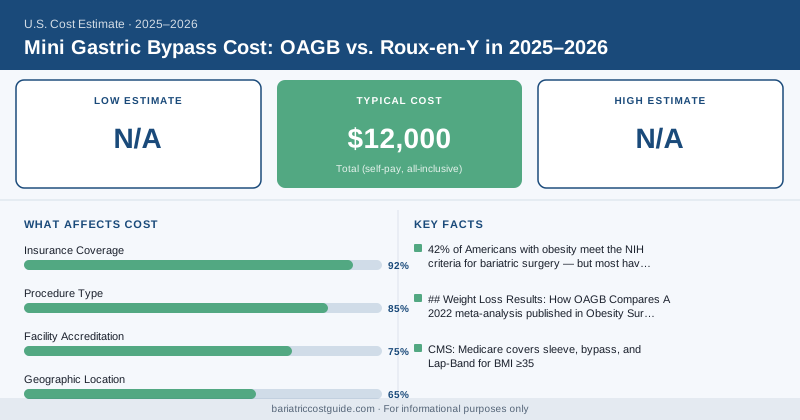
The mini gastric bypass, formally called the One-Anastomosis Gastric Bypass (OAGB), runs $12,000–$25,000 self-pay in the United States. That’s competitive with — and often cheaper than — the Roux-en-Y gastric bypass, with comparable weight loss outcomes and a somewhat simpler surgical technique. Here’s what you need to know about the costs and how it stacks up.
Mini Gastric Bypass Cost Breakdown
| Cost Component | Typical Range |
|---|---|
| Surgeon fee | $2,500 – $5,500 |
| Hospital/facility fee | $6,000 – $14,000 |
| Anesthesia fee | $1,000 – $2,500 |
| Pre-op evaluation (labs, psych, nutrition) | $800 – $2,500 |
| Post-op follow-up (first year) | $600 – $1,500 |
| Total (self-pay, all-inclusive) | $12,000 – $25,000 |
OAGB vs. Roux-en-Y: What’s Actually Different
The traditional Roux-en-Y gastric bypass creates two anastomoses (surgical connections) inside your digestive tract. The mini bypass creates just one — that’s where the “single anastomosis” name comes from. Technically, this means:
- Shorter operating time (typically 60–90 minutes vs. 90–120+ for Roux-en-Y)
- Potentially lower surgical complication risk related to the intestinal connections
- Easier reversal if needed (rare, but simpler than Roux-en-Y reversal)
The tradeoff: a single anastomosis means bile can potentially reflux into the stomach pouch. This is the main controversy surrounding OAGB. Most published data suggest bile reflux rates are low when the bypass limb is appropriately long (200+ cm), but it’s a real consideration — especially for patients with pre-existing GERD.
Weight Loss Results: How OAGB Compares
A 2022 meta-analysis published in Obesity Surgery found that OAGB produces excess weight loss of approximately 75–80% over five years — slightly higher than the 65–75% typically reported for Roux-en-Y. Type 2 diabetes remission rates are comparable, in the 60–80% range depending on disease duration and insulin use.
The ASMBS has formally recognized OAGB as an accepted bariatric procedure in its clinical practice guidelines, though it notes that Roux-en-Y remains the gold standard for patients with significant GERD.
| Procedure | Avg. Cost (Self-Pay) | Avg. Excess Weight Loss | Operating Time |
|---|---|---|---|
| Mini gastric bypass (OAGB) | $12,000 – $25,000 | 75–80% | 60–90 min |
| Roux-en-Y gastric bypass | $15,000 – $35,000 | 65–80% | 90–120+ min |
| Gastric sleeve | $10,000 – $23,000 | 60–70% | 60–90 min |
Insurance Coverage for OAGB
Here’s the friction point for many patients: U.S. insurance coverage for mini gastric bypass is inconsistent. Many plans that cover Roux-en-Y gastric bypass don’t have OAGB/single-anastomosis bypass listed as a covered procedure because it’s still categorized as “investigational” or “not medically necessary” under outdated policy language.
If your insurer covers bariatric surgery, call and ask specifically: Is OAGB or single-anastomosis gastric bypass covered under CPT code 43644? Some plans code it equivalently with Roux-en-Y (43846) — which means coverage — while others require an additional review.
Questions to Ask Your Insurer About OAGB Coverage
- Is single-anastomosis gastric bypass (OAGB) covered under my bariatric benefit?
- Which CPT codes apply — 43644 or 43846?
- Is prior authorization required, and what clinical criteria apply?
- Does my plan consider OAGB investigational or experimental?
- If it’s not covered, can I appeal with supporting clinical literature?
Who’s a Good Candidate for Mini Gastric Bypass?
Most bariatric surgeons in the U.S. consider OAGB for:
- Patients with BMI ≥ 40, or BMI ≥ 35 with type 2 diabetes or other metabolic comorbidities
- Patients who want strong diabetes remission outcomes (OAGB has some of the best metabolic data)
- Patients who don’t have severe GERD (where Roux-en-Y or sleeve-to-bypass conversion is preferred)
- Revision candidates converting from a prior sleeve or band
It’s generally not the preferred choice for patients with Barrett’s esophagus, chronic bile reflux, or those who have had prior upper GI surgery that could complicate the anatomy.
Finding a Surgeon Who Performs OAGB
This matters more than with sleeve or Roux-en-Y: OAGB is less commonly performed in the U.S. than in Europe, Asia, or Latin America, where it may account for 20–30% of bariatric volume. When consulting with a surgeon about OAGB specifically, ask how many they’ve performed and what their conversion-to-open rate is. Lower-volume surgeons may not have sufficient experience with the single-anastomosis technique.
The Bottom Line
Mini gastric bypass (OAGB) costs $12,000–$25,000 self-pay, less than traditional Roux-en-Y in most markets. It delivers comparable or slightly better weight loss, with a simpler operative technique. The main obstacles are inconsistent insurance coverage and fewer U.S. surgeons who specialize in it. If you’re a strong metabolic candidate without significant GERD, it’s worth asking your bariatric surgeon whether OAGB should be on the table for your case.
{ if eq .Lang "zh" }Disclaimer: BariatricCostGuide provides cost data for educational purposes only. We are not a medical provider, insurance company, or financial advisor. All costs are estimates based on published data and vary by location, facility, surgeon, insurance plan, and individual health factors. Consult a board-certified bariatric surgeon and your insurance carrier for personalized medical and cost advice.