What If Insurance Denies Bariatric Surgery? Cost & Appeals
{ if eq .Lang "zh" }{ else }{ end }Most people assume a denial letter means the door is closed. Wrong. A first-pass denial for bariatric surgery is often a paperwork problem, not a final verdict — and a meaningful share of appeals succeed when patients push back with the right documentation. So if you just got a “not medically necessary” letter, don’t panic and don’t pay cash yet.
Here’s what a denial actually costs you, why it happened, and how to fight it.
Why Denials Happen
Insurers rarely deny because they think you don’t need surgery. They deny because a box wasn’t checked. The most common reasons:
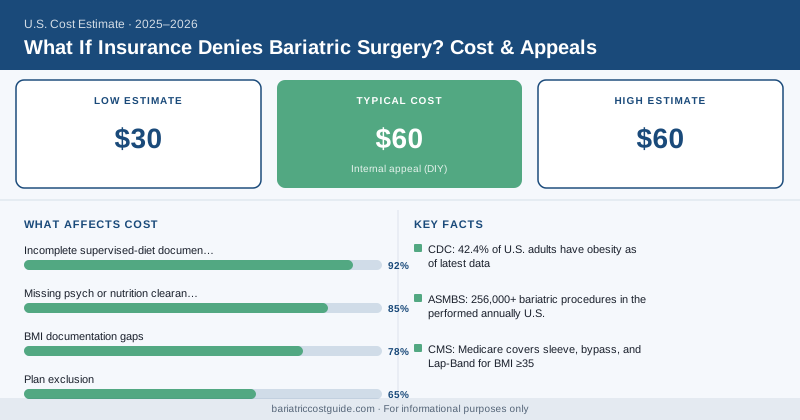
- Incomplete supervised-diet documentation — a missed monthly check-in, or notes that don’t span the required 3–6 months.
- Missing psych or nutrition clearance.
- BMI documentation gaps — the chart doesn’t clearly show BMI ≥ 40, or ≥ 35 with a comorbidity.
- Plan exclusion — your employer simply didn’t buy the bariatric benefit. This is the one denial an appeal usually can’t fix.
First Step: Read the Denial Code
Your denial letter states the reason. Match it to the fix:
- “Not medically necessary” → resubmit with stronger BMI/comorbidity records
- “Failed to meet supervised-diet requirement” → submit complete monthly visit notes
- “Service excluded under plan” → an appeal won’t work; pivot to self-pay or a plan change
- “Out-of-network provider” → switch to an in-network surgeon and resubmit
What Appealing Costs You
Here’s the good news: appealing is cheap. The cost is mostly time and persistence.
| Path After Denial | Cost to You | Likely Timeline |
|---|---|---|
| Internal appeal (DIY) | $0 | 30–60 days |
| Peer-to-peer review | $0 | 1–2 weeks |
| External/independent review | $0–$25 | 45 days |
| Hiring a patient advocate | $500–$2,500 | Varies |
| Giving up and going self-pay | $10,000–$23,000 | Immediate |
Compare the $0 internal appeal to the $10,000+ self-pay route. Even if the appeal takes two months, it’s almost always worth filing before you open your wallet.
How to Win the Appeal
- Call and get the exact denial reason in writing.
- Ask your surgeon’s office for a peer-to-peer review — your surgeon talks directly to the insurer’s medical director. This alone reverses many denials.
- Fill the documentation gap — resubmit complete diet logs, BMI history, and comorbidity records.
- File the internal appeal within the deadline (often 180 days).
- Escalate to external review if the internal appeal fails — an independent third party decides, and their ruling is binding.
Our detailed bariatric denial appeal guide walks through each letter and deadline.
If the Appeal Fails
If your plan flat-out excludes bariatric surgery, no appeal will fix that. Your realistic options:
- Self-pay — a gastric sleeve runs $10,000–$23,000; negotiate the cash package.
- Switch plans at open enrollment — to one with the bariatric benefit, or onto a spouse’s plan.
- Finance the procedure — see our financing guide.
Frequently Asked Questions
How often are bariatric denials overturned? A substantial share — especially when the denial was for incomplete documentation rather than a plan exclusion. Peer-to-peer reviews are particularly effective.
Does appealing cost money? Internal and external appeals are free. You’d only pay if you hire a private patient advocate, which is optional.
How long do I have to appeal? Most plans allow 180 days from the denial date for an internal appeal. Don’t miss it — check your specific letter.
What if my plan excludes bariatric surgery entirely? An appeal won’t reverse a true exclusion. Look at switching plans during open enrollment or going self-pay.
Should I just pay cash to avoid the hassle? Rarely the right first move. Filing a $0 internal appeal before spending $10,000+ self-pay is almost always worth the few weeks it takes.
Can my surgeon’s office handle the appeal for me? Often yes. Most accredited bariatric programs have insurance coordinators who manage appeals and peer-to-peer reviews as part of their service.
The Bottom Line
A bariatric denial isn’t the end. Most are paperwork problems — fixable with a free internal appeal or a peer-to-peer review, often within 30–60 days. The exception is a true plan exclusion, which pushes you toward self-pay ($10,000–$23,000) or a plan change. Either way, file the no-cost appeal before you spend a dime.
{ if eq .Lang "zh" }Disclaimer: BariatricCostGuide provides cost data for educational purposes only. We are not a medical provider, insurance company, or financial advisor. All costs are estimates based on published data and vary by location, facility, surgeon, insurance plan, and individual health factors. Consult a board-certified bariatric surgeon and your insurance carrier for personalized medical and cost advice.