GLP-1 vs. Bariatric Surgery: 10-Year Cost Model and Weight Regain Comparison
{ if eq .Lang "zh" }{ else }{ end }In 2010, this comparison didn’t exist. Bariatric surgery was the only durable obesity treatment. Today, GLP-1 medications achieve 15–22% weight loss in trials — and they’re being prescribed to millions of Americans who haven’t had a meaningful conversation about the 10-year price tag.
That tag is roughly $130,000 without insurance. Surgery is roughly $20,000. The numbers deserve an honest look.
The 10-Year Cost Model
This model uses conservative assumptions: Wegovy or Zepbound at average list price, compared to gastric sleeve surgery as the baseline surgical option. Costs for surgery include follow-up visits, supplements, and modest revision risk.
| Option | Year 1 Cost | 5-Year Total | 10-Year Total |
|---|---|---|---|
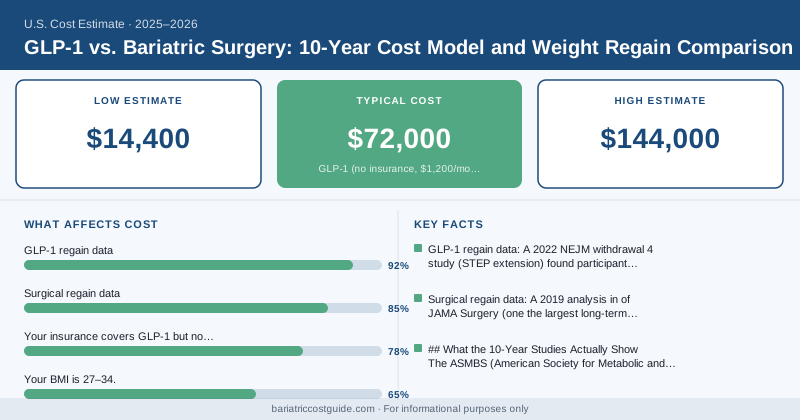
| GLP-1 (no insurance, $1,200/mo avg) | $14,400 | $72,000 | $144,000 |
| GLP-1 (insured, $100/mo avg copay) | $1,200 | $6,000 | $12,000 |
| Gastric sleeve (self-pay) | $15,000 – $23,000 | $17,000 – $26,000 | $18,500 – $28,000 |
| Gastric sleeve (insured) | $1,500 – $5,000 | $3,500 – $8,000 | $5,000 – $10,000 |
| Gastric bypass (self-pay) | $20,000 – $35,000 | $23,000 – $40,000 | $25,000 – $43,000 |
Surgical costs include $1,500–$2,000/year in ongoing supplements, labs, and follow-up visits post-op. GLP-1 ongoing costs include medication only; labs and visits add $200–$500/year.
The conclusions from this model are clear for uninsured patients: surgery has dramatically lower 10-year costs. For insured patients, the math depends heavily on what your plan covers and at what copay level.
Weight Regain: The Critical Variable
Cost alone doesn’t tell the full story. What happens to the weight over time matters enormously — because regaining weight after stopping a medication means you may need to restart it, and regaining after surgery may mean revision.
GLP-1 regain data: A 2022 NEJM withdrawal study (STEP 4 extension) found participants who stopped semaglutide 2.4mg regained 6.9% of body weight within 52 weeks, erasing roughly two-thirds of their weight loss. At one year off drug, most of the benefit was gone. Tirzepatide discontinuation data shows similar patterns.
This means GLP-1 therapy is indefinite by design. That’s not a flaw — it’s how chronic disease treatment works. But it means the cost model doesn’t have an endpoint.
Surgical regain data: A 2019 analysis in JAMA Surgery (one of the largest long-term bariatric datasets) found 5-year excess weight loss of 56% for gastric sleeve and 65% for gastric bypass. At 10 years, weight regain is real — roughly 20–30% of excess weight lost returns on average — but most patients maintain substantial benefit.
The key difference: surgical weight loss persists after the one-time procedure cost. GLP-1 weight loss requires continuous spending.
When the 10-Year Math Favors GLP-1 Over Surgery
The surgery-wins narrative isn’t universal. These situations favor GLP-1 medications:
Your insurance covers GLP-1 but not surgery. If your copay is $25–$50/month and surgery costs you $25,000 out of pocket, the economics flip entirely for years 1–5. At year 8–10, it might equalize.
Your BMI is 27–34. Most insurers and surgeons won’t offer bariatric surgery below BMI 35 (or 40 without comorbidities). GLP-1 drugs are approved at BMI ≥ 27. If you don’t qualify surgically, comparison is moot.
High surgical risk. Uncontrolled hypertension, prior cardiac events, or high anesthesia risk makes surgery genuinely dangerous. GLP-1 drugs are appropriate first-line treatment in this scenario.
Patient preference. Some patients simply don’t want surgery. The 22% weight loss from tirzepatide is clinically meaningful. Forcing surgery on an unwilling patient rarely produces good long-term outcomes.
What the 10-Year Studies Actually Show
The ASMBS (American Society for Metabolic and Bariatric Surgery) published 10-year outcomes data showing gastric bypass patients maintained 28% total body weight loss at decade 10, and sleeve patients maintained 20% — with significant remission rates for type 2 diabetes, hypertension, and sleep apnea.
No GLP-1 drug has published 10-year outcomes data because they haven’t been in wide use long enough. The longest GLP-1 trial data available is 5 years (SCALE Obesity extension for liraglutide). Semaglutide and tirzepatide data is mainly 2–3 years. The 10-year projections in this article are modeled from shorter-term trials and discontinuation studies — not measured 10-year outcomes.
This means we’re comparing 10-year surgical data against projected GLP-1 data. That’s an important caveat. If GLP-1 durability proves better than projected (possible if patients stay on drug long-term), surgical outcomes advantage narrows; if regain is worse than projected, surgery’s advantage grows.
The Cardiovascular Wildcard
The SELECT trial (semaglutide 2.4mg, published NEJM 2023) found a 20% relative risk reduction in major cardiovascular events (heart attack, stroke, cardiovascular death) in obese patients with established cardiovascular disease. This is a benefit independent of weight loss.
Bariatric surgery also reduces cardiovascular events — a 2019 JAMA meta-analysis found 40% reduction in major CV events after surgery. But no head-to-head randomized trial has compared GLP-1 vs. surgery on cardiovascular outcomes.
For patients with established cardiovascular disease, the FDA-approved cardiovascular benefit of Wegovy adds clinical value to the cost model that pure weight loss comparisons miss.
The Bottom Line
Without insurance, GLP-1 medications over 10 years cost $120,000–$156,000 versus $18,500–$43,000 for surgery — a gap of $90,000 or more. With insurance covering GLP-1 at low copay, the math can reverse, especially in years 1–5. Surgery produces more durable weight loss per the available evidence, but GLP-1 drugs are appropriate for patients below surgical thresholds, with high surgical risk, or whose insurance structure makes medication cheaper than surgery in practice. Run your own numbers with your actual insurance situation — the national averages are only a starting point.
{ if eq .Lang "zh" }Disclaimer: BariatricCostGuide provides cost data for educational purposes only. We are not a medical provider, insurance company, or financial advisor. All costs are estimates based on published data and vary by location, facility, surgeon, insurance plan, and individual health factors. Consult a board-certified bariatric surgeon and your insurance carrier for personalized medical and cost advice.