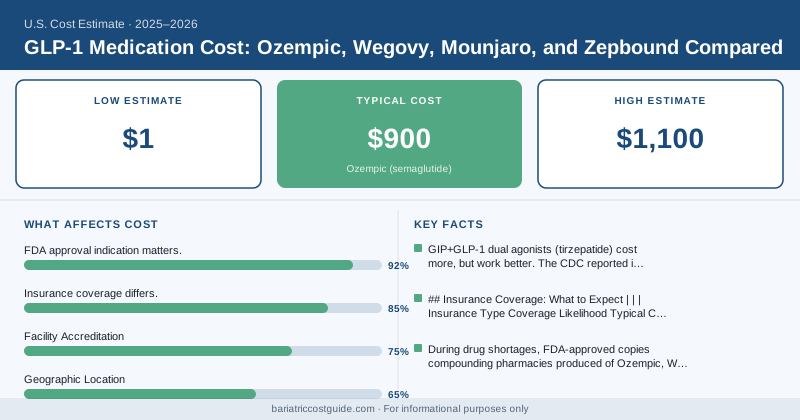
GLP-1 Medication Cost: Ozempic, Wegovy, Mounjaro, and Zepbound Compared
{ if eq .Lang "zh" }{ else }{ end }Ozempic, Wegovy, Mounjaro, Zepbound — they’re all over the news, all over social media, and all in short supply at pharmacies. But their prices are wildly different depending on which one you’re prescribed, what it’s prescribed for, and what your insurance covers.
Here’s the full comparison.
GLP-1 Medication Price Chart (Without Insurance)
| Medication | Drug | Approved For | Monthly Cost (No Insurance) |
|---|---|---|---|
| Ozempic (semaglutide) | GLP-1 | Type 2 diabetes | $900 – $1,100 |
| Wegovy (semaglutide) | GLP-1 | Chronic weight management | $1,300 – $1,600 |
| Mounjaro (tirzepatide) | GIP/GLP-1 | Type 2 diabetes | $1,000 – $1,300 |
| Zepbound (tirzepatide) | GIP/GLP-1 | Chronic weight management | $1,000 – $1,300 |
| Victoza (liraglutide) | GLP-1 | Type 2 diabetes | $750 – $900 |
| Saxenda (liraglutide) | GLP-1 | Chronic weight management | $1,300 – $1,500 |
| Rybelsus (semaglutide) | GLP-1 oral | Type 2 diabetes | $800 – $1,000 |
The striking pattern: the same active ingredient costs more when it’s branded for weight loss vs. diabetes. Ozempic and Wegovy both contain semaglutide — but Wegovy (approved for obesity) runs $200–$500/month more than Ozempic (approved for diabetes) without insurance.
Why the Same Drug Costs Different Amounts
FDA approval indication matters. Novo Nordisk has separate commercial teams and pricing structures for diabetes drugs vs. obesity drugs. Wegovy launched with a higher list price than Ozempic specifically because obesity treatment has historically had weaker insurance coverage — meaning more cash-pay patients and less price pressure from payer negotiations.
Insurance coverage differs. Most commercial insurance plans cover diabetes medications (including Ozempic/Mounjaro) much more readily than weight management medications (Wegovy/Zepbound). This creates a common workaround: physicians prescribing semaglutide for weight loss but using the diabetes-indicated brand and diagnosis code — a practice that’s increasingly drawing insurance scrutiny.
GIP+GLP-1 dual agonists (tirzepatide) cost more, but work better. The CDC reported in 2024 that obesity now affects 40.3% of U.S. adults. Tirzepatide’s dual mechanism — targeting both GIP and GLP-1 receptors — produces weight loss of 20–22% of body weight in trials, compared to 15–17% for semaglutide.
Insurance Coverage: What to Expect
| Insurance Type | Coverage Likelihood | Typical Copay |
|---|---|---|
| Large employer plan (GLP-1 for diabetes) | 80–90% covered | $25 – $100/month |
| Large employer plan (GLP-1 for obesity) | 50–65% covered | $100 – $300/month |
| Medicare Part D (diabetes indication) | Usually covered | Varies by plan |
| Medicare Part D (obesity indication) | Not covered (as of 2025) | Full price |
| Medicaid (varies by state) | Some states cover | $0 – $50/month |
| ACA marketplace plan | Depends heavily on plan | $50 – $200/month |
Medicare’s exclusion of GLP-1s for weight management is a major access gap — given that obesity disproportionately affects older Americans, many of whom are on Medicare. The TREAT and SAVE Acts in Congress have proposed changing this, but no law has passed as of 2025.
Manufacturer Discount Programs and Savings Cards
If your insurance doesn’t cover your GLP-1, or your copay is high, these programs matter:
- Novo Nordisk (Ozempic/Wegovy): Offers a savings card reducing out-of-pocket costs to as low as $25/month for eligible commercial insurance patients. Not applicable for Medicare/Medicaid.
- Eli Lilly (Mounjaro/Zepbound): Has a similar savings card for commercially insured patients — as low as $25/month for Mounjaro, $550/month or less for Zepbound for eligible patients.
- LillyDirect and NovoCare programs: Direct-to-patient programs with telehealth + medication. Zepbound is available directly at $349–$499/month for lower doses through LillyDirect.
Compounded Semaglutide and Tirzepatide: Is It Safe?
During drug shortages, FDA-approved compounding pharmacies produced copies of Ozempic, Wegovy, Mounjaro, and Zepbound at lower prices ($200–$400/month). The FDA removed semaglutide from the shortage list in 2024 and tirzepatide in early 2025, which means compounding pharmacies are no longer legally permitted to compound these drugs at scale.
Some patients are still offered compounded versions through telehealth platforms. These are not FDA-approved, their purity and dosing accuracy is unverified by the FDA, and their legal status is contested. The ASMBS and the Obesity Medicine Association have both cautioned against using compounded GLP-1s.
GLP-1s vs. Bariatric Surgery: Cost Over Time
If you’re comparing GLP-1 medications to bariatric surgery, the math depends heavily on your insurance. Without coverage for either, here’s the general picture:
- GLP-1 medications cost $60,000–$78,000 over 5 years at full price
- Bariatric surgery costs $15,000–$25,000 upfront, with modest ongoing costs
- GLP-1 weight loss reverses significantly when stopped; bariatric surgery effects are largely durable
For patients with strong insurance coverage for GLP-1s (sub-$100/month copay), the 5-year economics become comparable to surgery — and medication avoids surgical risk.
The Bottom Line
GLP-1 medications cost $900–$1,600/month without insurance, depending on the drug and indication. Tirzepatide (Mounjaro/Zepbound) produces superior weight loss to semaglutide but costs comparably. Insurance coverage is improving but uneven — especially for obesity indications and for Medicare patients. Before assuming medication is cheaper than surgery, run your actual numbers with your specific insurance situation.
Disclaimer: BariatricCostGuide provides cost data for educational purposes only. We are not a medical provider, insurance company, or financial advisor. All costs are estimates based on published data and vary by location, facility, surgeon, insurance plan, and individual health factors. Consult a board-certified bariatric surgeon and your insurance carrier for personalized medical and cost advice.