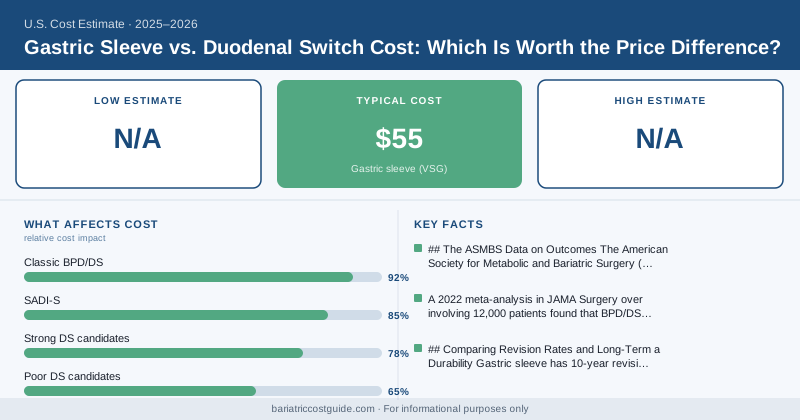
Gastric Sleeve vs. Duodenal Switch Cost: Which Is Worth the Price Difference?
{ if eq .Lang "zh" }{ else }{ end }The duodenal switch costs roughly $10,000 more than the gastric sleeve. It also produces about 10–12 percentage points more total body weight loss, resolves diabetes at nearly twice the rate, and carries a meaningfully higher risk of long-term nutritional deficiencies. For the right patient, it’s arguably the most powerful weight loss operation available. For the wrong one, those extra costs — financial and medical — can compound for years.
Here’s everything you need to make an informed comparison.
Head-to-Head Cost Comparison
| Procedure | Self-Pay Cost | Insured Out-of-Pocket | Typical Excess Weight Loss | Diabetes Resolution |
|---|---|---|---|---|
| Gastric sleeve (VSG) | $10,000 – $20,000 | $1,500 – $6,000 | 55–65% EWL (25% TBWL) | 55–65% |
| SADI-S (simplified DS) | $17,000 – $28,000 | $2,500 – $8,000 | 60–70% EWL (28–32% TBWL) | 70–80% |
| Duodenal switch (BPD/DS) | $20,000 – $35,000 | $3,000 – $10,000 | 70–85% EWL (33–38% TBWL) | 85–95% |
EWL = excess weight loss (loss of weight above your ideal body weight). TBWL = total body weight loss. The duodenal switch consistently outperforms on both metrics — but the absolute cost gap is real, and so are the ongoing costs of managing nutritional deficiencies post-DS.
What Makes Duodenal Switch Different
The gastric sleeve removes roughly 75–80% of the stomach, creating restriction. The gastric sleeve relies almost entirely on restriction and some hormonal changes to produce weight loss. It doesn’t reroute the intestine.
The duodenal switch starts with the same sleeve gastrectomy, then adds a second step: rerouting the small intestine to dramatically reduce nutrient and calorie absorption. The portion of intestine where food and digestive enzymes mix — called the common channel — is shortened to 75–100 cm (the classic BPD/DS) or 250 cm (SADI-S, the simplified version). This malabsorptive component is why the DS produces more weight loss and superior metabolic outcomes. It’s also why the nutritional consequences are more serious.
The SADI-S (single anastomosis duodenal switch) is a newer, technically simpler variant that produces outcomes between classic DS and sleeve. It’s increasingly offered at centers as a compromise option — slightly less weight loss than classic DS, but lower operative risk and fewer malabsorptive complications.
Classic DS vs. SADI-S: Which Should You Ask About?
Classic BPD/DS: Two bowel connections (anastomoses). Historically the gold standard. Produces the most weight loss and best metabolic outcomes. More technically complex, slightly higher complication rate, more severe malabsorption.
SADI-S: One bowel connection. Simpler, faster to perform. Outcomes approach but don’t quite match classic DS. Growing rapidly in adoption because it’s easier to perform and revise.
If a surgeon only offers one variant, ask why. High-volume DS surgeons typically offer both. SADI-S is a reasonable choice for most patients who want more than a sleeve but are concerned about classic DS complications.
The ASMBS Data on Outcomes
The American Society for Metabolic and Bariatric Surgery (ASMBS) 2023 position statement on procedure selection notes that the BPD/DS produces the greatest total weight loss of any current bariatric procedure, with approximately 70–85% excess weight loss sustained at 5 years — compared to 55–65% for sleeve gastrectomy. For patients with super-obesity (BMI 50+) or severe type 2 diabetes, the DS is associated with resolution rates that outperform every other procedure.
A 2022 meta-analysis in JAMA Surgery involving over 12,000 patients found that BPD/DS achieved diabetes remission in 87% of patients at 3 years, compared to 68% for sleeve gastrectomy and 83% for gastric bypass. For the right patient, those numbers justify the additional cost.
Who Is a Good Candidate for Duodenal Switch?
The DS isn’t for everyone who wants more weight loss. Programs typically consider it for patients who meet specific criteria:
Strong DS candidates:
- BMI 50+ (super-obese) where sleeve results are expected to be insufficient
- Severe type 2 diabetes requiring multiple medications or insulin — where the higher metabolic resolution rate justifies the risk
- History of prior sleeve with inadequate weight loss or regain (DS as a revision option)
- Patients willing to take 4–6 supplement types indefinitely and attend annual labs
Poor DS candidates:
- Patients with limited capacity for follow-up and supplementation adherence
- Stage 3+ CKD (malabsorption of oxalate increases renal oxalate burden)
- Inflammatory bowel disease or significant prior bowel surgery
- Patients unwilling to accept the risk of loose stools, fat-soluble vitamin deficiency, or protein malnutrition
- BMI under 45 with no severe metabolic disease — sleeve is likely sufficient
The Real Cost of Duodenal Switch: Ongoing Expenses
The sticker price difference between sleeve and DS is $10,000–$15,000. But the ongoing cost gap may equal or exceed that over 5–10 years.
| Ongoing Cost Item | After Gastric Sleeve | After Duodenal Switch |
|---|---|---|
| Vitamins and supplements | $600 – $1,200/year | $1,500 – $3,000/year |
| Annual lab monitoring | $200 – $600/year | $400 – $1,200/year |
| Specialist visits (malnutrition, endocrinology) | $0 – $500/year | $500 – $2,000/year |
| Risk of revision surgery (10-year rate) | 3–7% | 5–12% |
| Revision surgery cost (if needed) | $12,000 – $25,000 | $15,000 – $30,000 |
DS patients must take fat-soluble vitamins A, D, E, and K at higher doses than sleeve patients because their intestinal rerouting significantly reduces absorption of these vitamins. Vitamin A deficiency can cause night blindness. Vitamin D and calcium deficiency accelerates bone loss. Protein malnutrition — from inadequate intake and reduced absorption — is a real risk that requires diligent monitoring.
These aren’t hypothetical risks. They’re well-documented in long-term DS outcome studies, and they come with costs.
Comparing Revision Rates and Long-Term Durability
Gastric sleeve has a 10-year revision rate of roughly 15–20% in population studies — some patients regain significant weight and need conversion to bypass or DS. This is a known limitation.
Duodenal switch has lower weight regain rates over 10+ years, but a different revision risk: nutritional complications that may require reconnection or lengthening of the common channel. Classic DS revisions for protein malnutrition run $15,000–$30,000 and are not always covered by insurance.
If your primary concern is long-term weight regain, DS statistically wins. If your concern is lifetime management burden and complication risk, sleeve (or sleeve with conversion pathway) may be the smarter initial choice.
The Decision Framework
Here’s a practical way to think through the choice:
- If your BMI is 40–49 and you have moderate comorbidities → Gastric sleeve is the appropriate first choice. Simpler, less expensive, excellent outcomes for most patients.
- If your BMI is 50+ and/or you have severe uncontrolled diabetes → DS (SADI-S or classic BPD/DS) deserves serious consideration. The better metabolic outcomes may offset the cost and risk.
- If you’re comparing DS to gastric bypass → They’re in a similar risk category. Bypass is more widely available, insurance coverage is broader, and outcomes are comparable for most patients under BMI 50.
- If you previously had a sleeve with inadequate results → DS is the most powerful revision option. See the full guide on bariatric surgery revision cost.
The $10,000–$15,000 price premium for DS is justifiable for the right patient. The mistake is pursuing it for its superior weight loss numbers without fully accounting for the lifetime supplementation, monitoring, and potential complication costs that come with it.
{ if eq .Lang "zh" }Disclaimer: BariatricCostGuide provides cost data for educational purposes only. We are not a medical provider, insurance company, or financial advisor. All costs are estimates based on published data and vary by location, facility, surgeon, insurance plan, and individual health factors. Consult a board-certified bariatric surgeon and your insurance carrier for personalized medical and cost advice.