Gastric Bypass vs. Sleeve: Which Is Cheaper Long-Term?
{ if eq .Lang "zh" }{ else }{ end }Which costs less over ten years — a gastric sleeve or a gastric bypass? It’s the question that splits a lot of bariatric decisions, and the honest answer is: it depends on what happens after surgery. The sleeve wins on day one. The bypass can win by year five for the right patient. Let’s compare them the way you’d actually live with the bill.
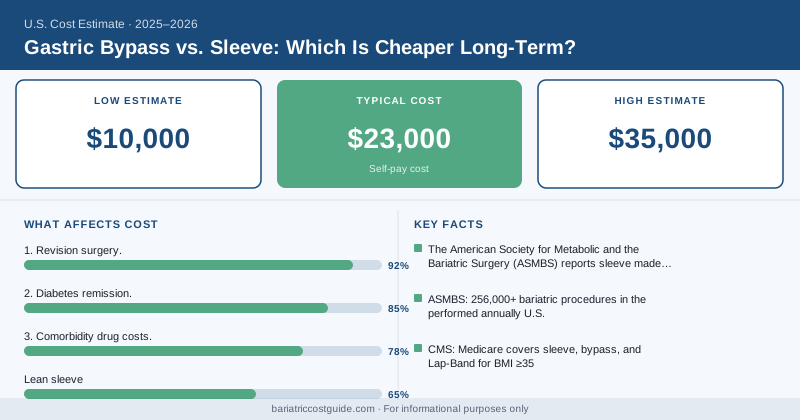
The American Society for Metabolic and Bariatric Surgery (ASMBS) reports the sleeve made up about 60% of U.S. bariatric procedures in 2022, with bypass second. Both are workhorses — but their costs diverge in ways the sticker price hides.
Upfront Cost: Sleeve Wins
On the operating-table cost alone, the sleeve is clearly cheaper. It’s a simpler operation — remove part of the stomach, no intestinal rerouting — so less OR time and less surgical hardware.
| Factor | Gastric Sleeve | Gastric Bypass |
|---|---|---|
| Self-pay cost | $10,000 – $23,000 | $15,000 – $35,000 |
| Out-of-pocket w/ insurance | $2,000 – $6,000 | $2,500 – $7,000 |
| OR complexity | Lower | Higher (intestinal rerouting) |
| Avg. excess weight loss | 60–70% | 65–80% |
| Revision rate (10 yr) | 5–15% | Lower |
If your only metric is the day-of-surgery bill, the gastric sleeve is the cheaper choice — often by $5,000 or more.
Long-Term Cost: It’s Closer Than You Think
The sticker price isn’t the whole story. Three factors can flip the math over a decade:
1. Revision surgery. A higher share of sleeve patients need revision — often to bypass — within 10 years, frequently due to severe GERD or weight regain. A revision can run $15,000–$30,000, erasing the upfront savings.
2. Diabetes remission. For patients with type 2 diabetes, gastric bypass tends to produce stronger, more durable remission. Eliminating insulin and diabetes medications can save thousands a year — money that compounds.
3. Comorbidity drug costs. Better resolution of hypertension, sleep apnea, and diabetes means fewer prescriptions, fewer specialist visits, and lower long-term spending.
The Decade-Long Math
For a patient with severe type 2 diabetes, a bypass that costs $6,000 more upfront can still come out cheaper by year 5 — if it eliminates $300+/month in diabetes medications. For a patient without diabetes who never needs a revision, the sleeve’s lower upfront price holds, and it stays the cheaper option.
The “cheaper” surgery depends on YOUR health profile, not a universal answer.
Who Should Lean Which Way
- Lean sleeve if you have no severe GERD, no diabetes, and want the lower upfront cost and simpler operation.
- Lean bypass if you have type 2 diabetes, significant acid reflux/GERD, or higher BMI where the durable metabolic effect pays off long-term.
Your surgeon’s recommendation should weigh your comorbidities, not just the price tag.
Frequently Asked Questions
Which is cheaper upfront, sleeve or bypass? The sleeve, almost always — $10,000–$23,000 versus $15,000–$35,000 self-pay. It’s a simpler, faster operation.
Does insurance cover both equally? Generally yes. Both are considered medically necessary when you meet BMI and comorbidity criteria, so your out-of-pocket cost is similar with coverage.
Which has the lower long-term cost? It depends on your health. For diabetic patients, bypass can win by eliminating medication costs. For others, the sleeve’s lower upfront price and lower revision-related expense usually hold.
Why do sleeve patients need revisions more often? Severe GERD and weight regain are the main drivers; many sleeve revisions convert to a bypass, which adds cost. See our long-term bypass cost guide and sleeve success rates.
Is the duodenal switch cheaper than either? No — the duodenal switch is the most expensive of the common procedures ($20,000–$40,000), though it produces the most weight loss.
Which loses more weight? Bypass averages slightly higher excess-weight loss (65–80% vs. 60–70% for sleeve), but individual results vary widely with diet and follow-up.
The Bottom Line
The gastric sleeve is cheaper upfront — typically $10,000–$23,000 versus $15,000–$35,000 for bypass — and stays cheaper for patients who don’t need a revision. But for those with type 2 diabetes or severe GERD, the bypass’s durable metabolic benefits and lower revision rate can make it the cheaper choice over a decade. The right answer follows your health, not just the sticker.
{ if eq .Lang "zh" }Disclaimer: BariatricCostGuide provides cost data for educational purposes only. We are not a medical provider, insurance company, or financial advisor. All costs are estimates based on published data and vary by location, facility, surgeon, insurance plan, and individual health factors. Consult a board-certified bariatric surgeon and your insurance carrier for personalized medical and cost advice.