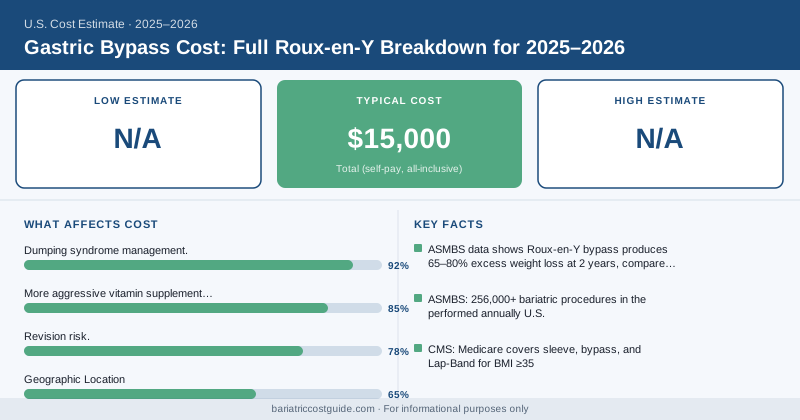
Gastric Bypass Cost: Full Roux-en-Y Breakdown for 2025–2026
{ if eq .Lang "zh" }{ else }{ end }Most patients don’t realize gastric bypass and gastric sleeve use different billing codes — and that difference alone can mean a $5,000–$10,000 gap in what you pay.
Roux-en-Y gastric bypass (RYGB) is technically more complex than sleeve gastrectomy. The surgeon creates a small stomach pouch, then connects it directly to the middle of the small intestine, bypassing most of the stomach and the first section of the small intestine. That rerouting adds operating time, complexity, and cost. It also delivers stronger results for patients with type 2 diabetes and severe GERD.
What Gastric Bypass Costs in 2025–2026
Self-pay costs for Roux-en-Y gastric bypass run $15,000 to $35,000, depending on facility, location, and what’s included. The higher end typically represents hospital-based programs in high-cost markets with comprehensive pre- and post-op care bundled in.
| Cost Component | Typical Range |
|---|---|
| Surgeon fee | $3,000 – $6,500 |
| Hospital/facility fee | $7,000 – $18,000 |
| Anesthesia fee | $1,200 – $3,000 |
| Pre-op workup (labs, psych, nutrition) | $1,000 – $3,000 |
| Post-op care (year 1) | $800 – $2,500 |
| Total (self-pay, all-inclusive) | $15,000 – $35,000 |
Bypass vs. Sleeve: The Cost and Outcome Tradeoff
Here’s the honest comparison. Gastric bypass costs more because it’s a more complex operation with more moving parts. But it also delivers measurably better outcomes for certain conditions.
ASMBS data shows Roux-en-Y bypass produces 65–80% excess weight loss at 2 years, compared to 60–70% for sleeve gastrectomy. More importantly, bypass achieves type 2 diabetes remission in 60–80% of patients — often before they even leave the hospital. A 2022 study in NEJM comparing long-term outcomes found bypass patients maintained significantly more weight loss at 7 years than sleeve patients.
If you have type 2 diabetes, severe GERD, or have already had a sleeve that didn’t produce adequate results, bypass is frequently the recommended choice — even at higher cost.
| Factor | Gastric Sleeve | Gastric Bypass |
|---|---|---|
| Typical self-pay cost | $10,000 – $23,000 | $15,000 – $35,000 |
| Excess weight loss (2 yr) | 60–70% | 65–80% |
| Diabetes remission | 45–60% | 60–80% |
| GERD impact | May worsen | Usually improves |
| Intestinal rerouting | No | Yes |
| Reversibility | Irreversible | Technically reversible |
Insurance Coverage for Gastric Bypass
Bypass is typically covered by the same insurance plans that cover sleeve gastrectomy. The NIH criteria (BMI ≥ 40, or ≥ 35 with a comorbidity) apply to both procedures. Most plans don’t differentiate between bypass and sleeve for coverage purposes — if one is covered, both usually are.
With insurance that covers bariatric surgery, typical out-of-pocket costs run $2,500 to $8,000, depending on your deductible and coinsurance rate. The higher absolute cost of bypass means your cost-sharing tends to be slightly higher than for sleeve, even at the same coinsurance percentage.
Why Bypass Is More Likely to Be Covered for Diabetes Patients
If you have type 2 diabetes with BMI ≥ 35, gastric bypass has particularly strong support in the clinical literature for insurance approval. ASMBS guidelines specifically note bypass as the preferred procedure for patients with poorly controlled diabetes. Some plans that nominally cover bariatric surgery “with medical necessity” are more likely to approve bypass when diabetes documentation is thorough.
Have your endocrinologist or PCP document HbA1c levels, years of diabetes diagnosis, and medications tried — this strengthens your prior authorization case.
The Hidden Costs of Bypass
Bypass requires more careful long-term management than sleeve. Budget for:
Dumping syndrome management. About 10–20% of bypass patients experience dumping syndrome — rapid gastric emptying that causes nausea, sweating, and diarrhea after eating sugar or fat. It usually resolves with dietary changes, but some patients need medication.
More aggressive vitamin supplementation. Because bypass reroutes the intestine where B12, iron, calcium, and other nutrients are absorbed, deficiency risks are higher than with sleeve. Expect to spend $800–$1,500/year on vitamins and labs indefinitely.
Revision risk. Approximately 5–10% of bypass patients need some form of revision or corrective procedure within 10 years. That’s lower than sleeve revision rates but still a real possibility to plan for financially.
Getting the Best Price
Self-pay patients can negotiate, especially with accredited Bariatric Centers of Excellence that have established cash-pay packages. Typical negotiation room: 15–30% off published rates for same-day payment.
Some programs offer financing through CareCredit or Prosper Healthcare Lending, which can spread $20,000–$30,000 over 24–84 months. Interest rates range from 0% promotional periods to 14–27% ongoing, so read the terms carefully.
Medical tourism is another option — gastric bypass in Tijuana or Monterrey, Mexico runs $6,000–$10,000 at reputable centers. The savings are real, but so are the risks if you need emergency follow-up care stateside.
The Bottom Line
Gastric Roux-en-Y bypass costs $15,000–$35,000 self-pay, or $2,500–$8,000 out of pocket with insurance. It’s more expensive than sleeve gastrectomy, but for the right patient — particularly those with type 2 diabetes or severe GERD — the clinical outcomes justify the additional cost. If your plan covers bariatric surgery, the price difference between bypass and sleeve often narrows significantly after insurance adjustments.
{ if eq .Lang "zh" }Disclaimer: BariatricCostGuide provides cost data for educational purposes only. We are not a medical provider, insurance company, or financial advisor. All costs are estimates based on published data and vary by location, facility, surgeon, insurance plan, and individual health factors. Consult a board-certified bariatric surgeon and your insurance carrier for personalized medical and cost advice.