Does Insurance Cover Weight Loss Surgery in 2026?
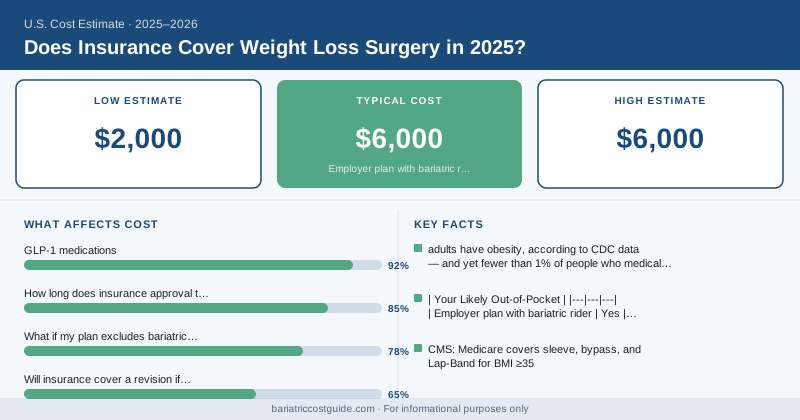
{ if eq .Lang "zh" }{ else }{ end }Roughly 42.4% of U.S. adults have obesity, according to CDC data — and yet fewer than 1% of people who medically qualify for bariatric surgery ever get it. A big reason is confusion over coverage. So here’s the short answer: yes, most major insurers do cover weight loss surgery in 2025. The catch is in the requirements.
Whether your specific plan pays depends on three things: your insurer, your employer’s plan design, and whether you meet medical criteria. Let’s break down what that actually means for your wallet.
Which Insurers Cover Bariatric Surgery
The big national carriers — Aetna, Cigna, Blue Cross Blue Shield, UnitedHealthcare, and Humana — all have bariatric surgery coverage policies. But coverage isn’t automatic. It depends on whether your employer purchased a plan that includes the bariatric benefit.
| Coverage Source | Typically Covers Surgery? | Your Likely Out-of-Pocket |
|---|---|---|
| Employer plan with bariatric rider | Yes | $2,000 – $6,000 |
| Employer plan, bariatric excluded | No | $10,000 – $23,000 (self-pay) |
| ACA Marketplace (23 states mandate it) | Often | $3,000 – $7,000 |
| Medicare | Yes (approved procedures) | 20% coinsurance after deductible |
| Medicaid | Varies by state | $0 – low if approved |
The single biggest variable is your employer. Two coworkers with “the same Cigna plan” can have wildly different coverage if one company bought the bariatric rider and the other didn’t. Call the member number on your card and ask one question: “Is bariatric surgery a covered benefit under my specific plan, or is it excluded?”
What You Have to Prove
Even with coverage, insurers require you to qualify medically. Most follow the NIH criteria established back in 1991 and still standard today:
Standard Insurance Approval Checklist
- BMI ≥ 40, or BMI ≥ 35 with a comorbidity (type 2 diabetes, sleep apnea, hypertension)
- 3–6 months of physician-supervised diet attempts, documented
- A psychological evaluation clearing you for surgery
- Nutritional counseling with a registered dietitian
- Medical clearance from your primary care doctor
- Surgery at an MBSAQIP-accredited center (many plans require this)
The supervised-diet requirement trips up the most people. If you miss a single monthly check-in, some insurers make you restart the clock. Document everything.
What Insurance Won’t Cover
This part surprises people. Coverage for the surgery doesn’t extend to everything around it:
- Excess skin removal is usually deemed cosmetic and denied unless you have documented rashes or infections under the skin folds.
- Lifetime vitamins and supplements come out of pocket — budget $500–$1,200 a year.
- GLP-1 medications like Wegovy may or may not be covered separately from surgery.
Frequently Asked Questions
Does insurance cover gastric sleeve and gastric bypass equally? Generally yes. Both gastric sleeve and gastric bypass are considered medically necessary procedures when you meet criteria. The lap-band and duodenal switch sometimes face more scrutiny.
How long does insurance approval take? The medical-qualification process — diet documentation, psych eval, labs — typically runs 3–6 months. Once your surgeon submits the prior authorization, the insurer’s decision usually comes in 2–4 weeks.
What if my plan excludes bariatric surgery entirely? You’d pay self-pay rates of roughly $10,000–$23,000. Some people switch to a spouse’s plan during open enrollment, or explore self-pay financing. A few states require ACA plans to cover it.
Will insurance cover a revision if I regain weight? Sometimes, but it’s harder. Insurers usually require documented complications (a leak, a slipped band, severe GERD) rather than weight regain alone.
Do I need to fail at dieting first? Effectively, yes. The supervised weight-loss program is meant to document that conservative measures didn’t produce lasting results before surgery is approved.
Can I appeal a denial? Absolutely. Many initial denials are reversed on appeal — see our guide on appealing a bariatric denial for the step-by-step process.
The Bottom Line
Most insurance plans in 2025 cover weight loss surgery, dropping your cost from a $10,000–$23,000 sticker to roughly $2,000–$6,000 out of pocket. The work is in qualifying: meet the BMI and comorbidity thresholds, complete the supervised diet, pass the psych eval, and confirm in writing that your specific plan includes the benefit before you book anything.
{ if eq .Lang "zh" }Disclaimer: BariatricCostGuide provides cost data for educational purposes only. We are not a medical provider, insurance company, or financial advisor. All costs are estimates based on published data and vary by location, facility, surgeon, insurance plan, and individual health factors. Consult a board-certified bariatric surgeon and your insurance carrier for personalized medical and cost advice.