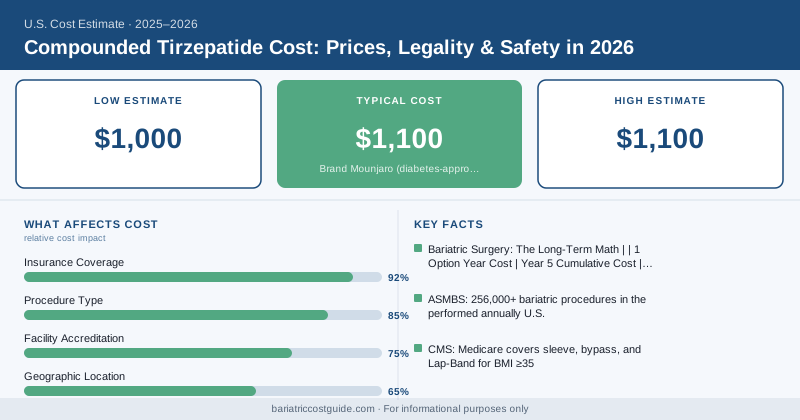
Compounded Tirzepatide Cost: Prices, Legality & Safety in 2026
{ if eq .Lang "zh" }{ else }{ end }Mounjaro and Zepbound cost over $1,000 a month without insurance. That price point pushed a lot of patients toward compounded tirzepatide during the years it sat on the FDA’s official drug shortage list — a period that lasted longer for tirzepatide than for semaglutide.
Here’s where the pricing and legal landscape stand now.
The Cost Comparison
| Product | Estimated Monthly Cost |
|---|---|
| Brand Mounjaro (diabetes-approved) | $1,000 – $1,100 |
| Brand Zepbound (weight-loss approved) | $1,000 – $1,300 |
| Compounded tirzepatide (during shortage exception) | $200 – $450 |
| Compounded tirzepatide (post-shortage, limited exceptions) | $250 – $500 |
Why Tirzepatide’s Shortage Lasted Longer
Tirzepatide is a dual-mechanism drug, acting on both GLP-1 and GIP receptors — a more complex molecule than semaglutide to manufacture at scale. Demand for Mounjaro (diabetes) and Zepbound (weight loss) continued climbing through 2023 and into 2024, keeping tirzepatide on the FDA’s shortage list longer than semaglutide before the manufacturer’s expanded production capacity resolved the supply gap.
That extended shortage window is exactly what made mass compounding of tirzepatide legal for an unusually long stretch, compared to some other GLP-1 medications.
What Changed Once the Shortage Resolved
Once the FDA determined manufacturing supply met demand, the legal basis for mass compounding under the shortage exception ended. Licensed compounding pharmacies can still prepare tirzepatide for individual patients under narrower legal grounds — typically requiring a documented, patient-specific medical necessity that the brand product can’t meet, such as a genuine allergy or an inability to use the specific delivery device.
Confirm Your Pharmacy Is State-Licensed and Accredited
FDA Safety Warnings Specific to Tirzepatide
The FDA has flagged specific concerns with compounded tirzepatide products, including:
- Use of tirzepatide salt forms not approved by the FDA, with unknown differences in absorption and effect compared to the approved compound
- Dosing inconsistencies between batches at some compounding pharmacies
- Adverse event reports tied to dosing errors, including cases requiring emergency medical treatment
Compounded Tirzepatide vs. Bariatric Surgery: The Long-Term Math
| Option | Year 1 Cost | Year 5 Cumulative Cost |
|---|---|---|
| Compounded tirzepatide (where available) | $2,400 – $6,000 | $12,000 – $30,000 |
| Brand-name tirzepatide | $12,000 – $15,600 | $60,000 – $78,000 |
| Gastric sleeve (self-pay, one-time) | $15,000 – $22,000 | $15,000 – $22,000 plus modest ongoing supplement costs |
Research from the National Institutes of Health (NIH) on GLP-1 medications indicates that stopping the medication typically leads to substantial weight regain within a year, meaning the cost comparison is really an indefinite ongoing expense versus a single upfront surgical cost — an important framing when comparing options with your physician.
Talk to Your Provider About All Your Options
Manufacturer savings cards and patient assistance programs can substantially reduce brand-name Mounjaro or Zepbound costs for eligible patients, sometimes bringing out-of-pocket costs close to compounded pricing without the sourcing uncertainty. For a fuller comparison of medication-based approaches versus surgery, see our GLP-1 shortage alternatives guide.
{ if eq .Lang "zh" }Disclaimer: BariatricCostGuide provides cost data for educational purposes only. We are not a medical provider, insurance company, or financial advisor. All costs are estimates based on published data and vary by location, facility, surgeon, insurance plan, and individual health factors. Consult a board-certified bariatric surgeon and your insurance carrier for personalized medical and cost advice.