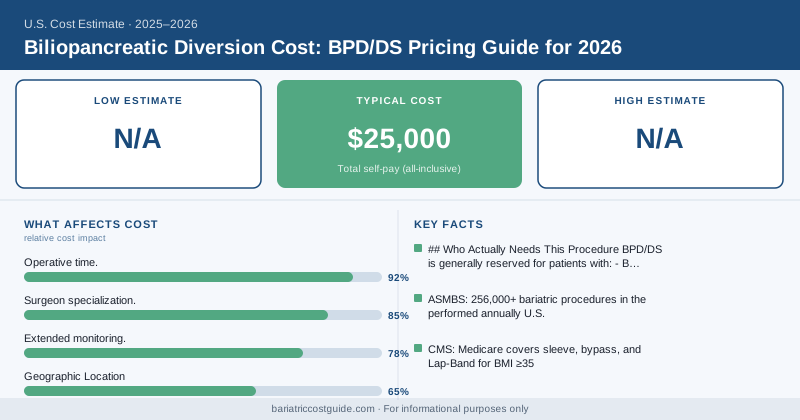
Biliopancreatic Diversion Cost: BPD/DS Pricing Guide for 2026
{ if eq .Lang "zh" }{ else }{ end }Fewer than 2% of the roughly 260,000 metabolic and bariatric procedures performed annually in the U.S. are biliopancreatic diversions, according to ASMBS registry estimates — and cost is a real part of why it’s rare. This is the most surgically complex weight loss procedure on the market, and the price tag reflects that.
If your surgeon has recommended BPD/DS instead of a standard bypass or sleeve, you’re likely dealing with a higher starting BMI or a case that’s already failed a less invasive procedure. Here’s what to actually expect to pay.
Biliopancreatic Diversion Cost Breakdown (2026)
| Cost Component | Typical Range |
|---|---|
| Surgeon’s fee | $8,000 – $15,000 |
| Facility/hospital fee | $12,000 – $22,000 |
| Anesthesia | $2,500 – $5,000 |
| Pre-op testing & clearance | $1,500 – $4,000 |
| Total self-pay (all-inclusive) | $25,000 – $45,000 |
That’s a meaningful premium over gastric bypass ($18,000–$30,000) or gastric sleeve ($12,000–$22,000). The gap comes down to operative complexity: BPD/DS requires both a sleeve gastrectomy and a lengthy intestinal rerouting, nearly doubling the operating room time relative to a standalone sleeve.
Why BPD/DS Costs What It Costs
Three cost drivers separate this procedure from more common bariatric surgeries:
Operative time. A standard sleeve takes 60-90 minutes. BPD/DS commonly runs 3-4 hours, which multiplies facility and anesthesia charges directly.
Surgeon specialization. Relatively few bariatric surgeons perform BPD/DS regularly — it requires additional fellowship training beyond standard bariatric certification. That scarcity supports higher surgeon fees.
Extended monitoring. Because BPD/DS causes significant nutrient malabsorption, patients typically need more intensive post-op lab monitoring in the first year, adding to the total cost of care even after the surgical bill is paid.
BPD/DS vs. Standard Duodenal Switch
Who Actually Needs This Procedure
BPD/DS is generally reserved for patients with:
- BMI of 50 or higher (severe or “super” obesity)
- BMI 40-49 with significant type 2 diabetes that hasn’t responded to less aggressive weight loss surgery
- A prior sleeve or band that failed to produce adequate weight loss
The American Society for Metabolic and Bariatric Surgery notes that BPD/DS produces the greatest average excess weight loss of any standard bariatric procedure — often 70-80% at five years — but that benefit comes with the highest nutrient malabsorption risk of any FDA-recognized bariatric surgery.
Insurance Coverage Reality
Getting BPD/DS approved is harder than getting a sleeve or bypass approved. Insurers typically want to see documented failure of, or strong contraindication to, less invasive options first. Expect:
- A longer prior authorization process (often 6-10 weeks)
- Requests for documentation that a standard bypass wouldn’t meet your needs
- A higher bar for medical necessity letters from your surgeon
Financing a BPD/DS Procedure
Given the higher total cost, financing terms matter more here than with sleeve or bypass. A $35,000 procedure financed over 60 months at a typical medical lending rate runs roughly $650-$750/month. Many bariatric centers that perform BPD/DS have in-house financing coordinators specifically because of how often patients need to structure payment plans for this procedure.
Bottom Line
Biliopancreatic diversion costs $25,000-$45,000 self-pay — the highest price tag among mainstream bariatric procedures — because it’s also the most technically demanding. If you’ve been recommended BPD/DS, it’s usually because your surgeon believes the additional weight loss and metabolic benefit justifies the added complexity and cost. Confirm your insurer’s specific medical necessity requirements early, since the approval runway is longer than for standard procedures.
{ if eq .Lang "zh" }Disclaimer: BariatricCostGuide provides cost data for educational purposes only. We are not a medical provider, insurance company, or financial advisor. All costs are estimates based on published data and vary by location, facility, surgeon, insurance plan, and individual health factors. Consult a board-certified bariatric surgeon and your insurance carrier for personalized medical and cost advice.