Is Bariatric Surgery Worth It? 5-Year Cost ROI vs. Diabetes & Hypertension Meds
{ if eq .Lang "zh" }{ else }{ end }In 2010, a patient with type 2 diabetes and hypertension was spending about $8,400 a year on prescription drugs, physician visits, and diabetes-related medical care. By year five post-bariatric-surgery, studies found that most patients had come off most of those medications. Do the math: $8,400 a year for life, or $20,000 once. That’s the core of the ROI argument — and the numbers are more compelling than most people realize.
The Baseline: What Obesity-Related Conditions Cost Per Year
To assess whether bariatric surgery is worth it financially, start with what you’re currently spending. Costs vary significantly by condition severity, insurance coverage, and geography — but here are realistic annual estimates based on CMS and published insurance claims data:
| Condition | Annual Drug Cost (uninsured/underinsured) | Annual Insured Cost (out-of-pocket) | Annual Total (medical + pharmacy) |
|---|---|---|---|
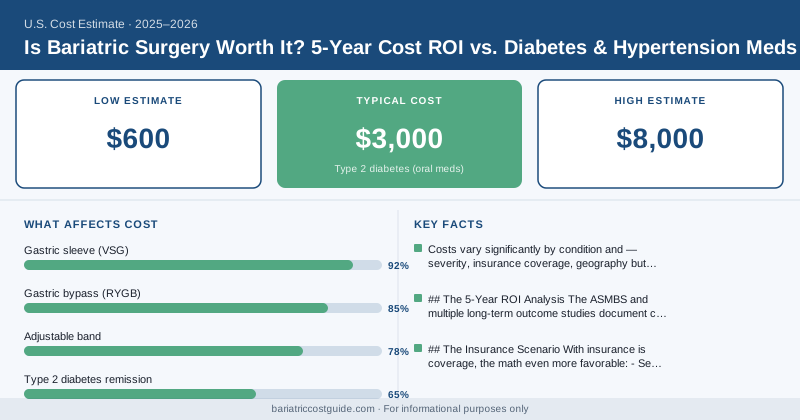
| Type 2 diabetes (oral meds) | $1,500–$4,500 | $600–$2,000 | $3,000–$8,000 |
| Type 2 diabetes (insulin) | $3,000–$12,000 | $1,500–$5,000 | $5,000–$15,000 |
| Hypertension (1–2 medications) | $300–$900 | $100–$400 | $600–$2,000 |
| Sleep apnea (CPAP supplies) | $500–$1,500/year | $200–$600 | $700–$2,000 |
| Hyperlipidemia (statins) | $200–$600 | $100–$300 | $400–$1,200 |
| Combined (diabetes + HTN + sleep apnea) | $5,000–$18,000 | $2,500–$8,000 | $8,000–$24,000/year |
For a patient with all three conditions, annual medical costs before surgery commonly run $8,000–$15,000 per year in total out-of-pocket and medical spending.
What Bariatric Surgery Costs
The one-time cost varies by procedure and whether you have insurance:
- Gastric sleeve (VSG): $15,000–$22,000 self-pay; $0–$6,000 out-of-pocket with insurance
- Gastric bypass (RYGB): $20,000–$30,000 self-pay; $0–$8,000 with insurance
- Adjustable band: $15,000–$20,000 self-pay (declining in popularity)
For this analysis, we’ll use $20,000 as a mid-range self-pay cost and $4,000 as a typical out-of-pocket with insurance (deductible + coinsurance).
The 5-Year ROI Analysis
The ASMBS and multiple long-term outcome studies document consistent results after bariatric surgery:
- Type 2 diabetes remission: 60–80% of patients achieve remission (HbA1c normalized without medication) within 12–24 months
- Hypertension resolution: 50–75% of patients come off blood pressure medications
- Sleep apnea resolution: 80%+ experience significant improvement or resolution
- Hyperlipidemia improvement: 50–70% show significant improvement
What this means for annual costs:
| Year | Pre-Surgery Annual Cost | Post-Surgery Annual Cost | Net Savings |
|---|---|---|---|
| Surgery year (Year 0) | $10,000 | $20,000 (surgery) + $3,000 (medical) | -$13,000 |
| Year 1 | $10,000 | $2,500 (reduced meds, follow-up) | +$7,500 |
| Year 2 | $10,000 | $1,500 (minimal meds, annual follow-up) | +$8,500 |
| Year 3 | $10,000 | $1,500 | +$8,500 |
| Year 4 | $10,000 | $1,500 | +$8,500 |
| Year 5 | $10,000 | $1,500 | +$8,500 |
| 5-Year Net | $50,000 (ongoing) | $31,000 (surgery + 5 years) | +$19,000 |
At five years, most patients with multiple comorbidities have broken even or better. By year ten, the cumulative savings are substantial — often $50,000–$100,000+ compared to continuing medical management without surgery.
The Insurance Scenario
With insurance coverage, the math is even more favorable:
- Self-pay cost: $20,000 → Insured out-of-pocket: ~$4,000
- Year 0 total: $4,000 + $2,000 (pre-op and post-op care) = $6,000
- Break-even: Under 12 months for most patients with significant comorbidities
A 2019 study in JAMA Surgery found that bariatric surgery patients had $4,831 lower annual medical costs than matched non-surgical patients in years two through six after surgery. Over five years, that’s $24,155 in insurance-perspective savings — which explains why large employer plans that add bariatric benefits typically recoup the cost within three to four years.
The GLP-1 Comparison
Non-Financial Benefits That Contribute to “Worth It”
Pure cost analysis misses factors that many patients weight heavily:
Mortality reduction: A meta-analysis published in JAMA Surgery found that bariatric surgery reduces all-cause mortality by approximately 40% over 10 years compared to matched non-surgical patients. That’s not a cost savings number — it’s a life extension finding.
Quality of life: Large-scale studies using validated QoL instruments consistently show significant improvements in physical function, pain, mental health, and social functioning following bariatric surgery. These benefits appear within the first year and persist at 5- and 10-year follow-up.
Productivity: Obesity-related conditions contribute to significant absenteeism and presenteeism (working while impaired). Post-surgery improvements in energy, mobility, and pain translate to economic productivity gains that aren’t captured in medical cost comparisons.
Medication simplification: Coming off five daily medications has practical and quality-of-life value beyond the cost savings — scheduling, side effect management, and the psychological weight of chronic illness management all improve.
What the ROI Analysis Doesn’t Include
Be honest about the caveats:
Surgery costs aren’t always one-time. Revisional surgery rates for gastric sleeve are approximately 5–10% over 10 years. Gastric bypass requires lifelong nutritional supplementation ($500–$1,500/year for bariatric vitamins) that is usually not insurance-covered.
Comorbidity remission isn’t guaranteed. The 60–80% diabetes remission rate means 20–40% of patients don’t achieve full remission. Partial improvement is common, but modeling the analysis assumes some benefit.
Complications add cost. Serious complications affect approximately 2–4% of bariatric surgery patients at MBSAQIP-accredited centers. Complications can add $5,000–$50,000+ in additional costs. This is statistically uncommon but real.
Weight regain is possible. Long-term studies show weight regain of 10–15% is common after 5–10 years, particularly with gastric sleeve. This can mean some comorbidities return. Lifestyle factors significantly affect long-term outcomes.
| Factor | Favorable for ROI | Unfavorable for ROI |
|---|---|---|
| Insurance coverage | Yes | No (self-pay adds ~$16K to analysis) |
| Multiple comorbidities (diabetes + HTN + apnea) | Yes | No comorbidities |
| Young patient (30s–40s) | Yes (longer horizon) | Older patient (fewer years of savings) |
| High current medication costs | Yes | Low medication burden |
| Good surgical program (low complication rate) | Yes | High complication rate |
| Sustained behavior change post-op | Yes | Weight regain |
The Bottom Line on ROI
For a patient in their 40s with type 2 diabetes, hypertension, and sleep apnea who is self-paying for surgery at $20,000, the break-even point is approximately two to three years. For a patient with insurance coverage and $4,000 out-of-pocket, break-even is under one year. By age 65, the cumulative lifetime savings compared to medical management often exceed $100,000.
The non-financial benefits — mortality reduction, quality of life, and functional improvement — are harder to put a number on but are, for most patients, the actual reason surgery is worth it.
The financial analysis supports surgery. The outcomes data supports it. Whether it’s “worth it” for you specifically depends on your health profile, your risk tolerance, your life circumstances, and whether you have the support structure to sustain the lifestyle changes surgery requires. The numbers, though, are in your favor.
{ if eq .Lang "zh" }Disclaimer: BariatricCostGuide provides cost data for educational purposes only. We are not a medical provider, insurance company, or financial advisor. All costs are estimates based on published data and vary by location, facility, surgeon, insurance plan, and individual health factors. Consult a board-certified bariatric surgeon and your insurance carrier for personalized medical and cost advice.