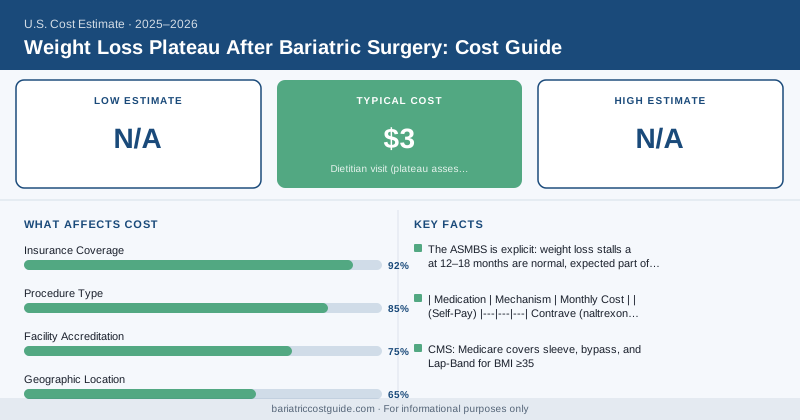
Weight Loss Plateau After Bariatric Surgery: Cost Guide
{ if eq .Lang "zh" }{ else }{ end }42% of bariatric surgery patients report feeling blindsided when the scale stops moving. It’s one of the most emotionally charged moments in the post-op journey — and it’s also one of the most misunderstood. The plateau isn’t a failure. The ASMBS is explicit: weight loss stalls at 12–18 months are a normal, expected part of the process, and the average total excess weight loss lands between 60–70% across all procedure types. That said, getting through a plateau — or diagnosing whether something physiological is actually happening — does cost money. Here’s what you’re looking at.
Why Plateaus Happen (and When to Take Action)
Your body isn’t trying to sabotage you. After rapid weight loss, metabolism adapts. Muscle mass changes. Hormones shift. What looked like effortless loss in months two through six gets progressively harder to sustain, and eventually the body finds a new equilibrium. Most plateaus are behavioral — caloric creep, reduced activity, stress — not physiological failures.
But some aren’t. A meaningful minority of patients experience metabolic adaptation serious enough that professional assessment adds real value. That’s when the costs below become relevant.
Assessment and Testing Costs
The first step is figuring out why you’ve stalled. A registered dietitian who specializes in bariatric surgery is the right starting point — not Google, not a general wellness coach.
| Service | Typical Frequency | Self-Pay Cost |
|---|---|---|
| Dietitian visit (plateau assessment) | 3–6 visits recommended | $100 – $200/visit |
| Indirect calorimetry (resting metabolic rate test) | Once or twice | $150 – $400 |
| Body composition scan (InBody or DEXA) | Every 3–6 months | $50 – $150 |
| Exercise physiology consultation | 1–2 sessions | $100 – $250 |
| Thyroid and hormonal labs (TSH, cortisol, insulin) | Per order | $80 – $200 |
Indirect calorimetry is worth highlighting. It measures your actual resting metabolic rate via breath analysis — not the estimated number on a calorie calculator, which can be wildly off in bariatric patients. If your metabolism has downregulated more than expected, knowing the real number gives you and your dietitian a precise caloric target to work with. Most hospital-based bariatric programs offer it; independent testing can be found at sports medicine clinics and some university medical centers.
Body composition scans matter because the scale lies. You might be gaining lean muscle while losing fat, and the net number on the scale looks like a plateau. An InBody scan ($50–$100 at many gyms and clinics) or DEXA scan ($100–$150) tells the real story in about five minutes.
Dietitian vs. General Nutritionist: Know the Difference
Medication Options for Stubborn Plateaus
When behavioral adjustments and dietary recalibration aren’t enough, some bariatric physicians consider adjunct weight loss medications. These are more common than many patients realize.
| Medication | Mechanism | Monthly Cost (Self-Pay) |
|---|---|---|
| Contrave (naltrexone/bupropion) | Appetite and craving reduction | $100 – $300 |
| Qsymia (phentermine/topiramate) | Appetite suppression | $100 – $250 |
| GLP-1 agonists (Ozempic, Wegovy) | Incretin-based satiety | $900 – $1,400 (without insurance) |
| Generic phentermine alone | Short-term appetite suppression | $15 – $40 |
GLP-1 medications have emerged as a genuine option for post-bariatric plateau — a 2023 study published in JAMA Surgery found that semaglutide helped patients who had suboptimal weight loss after sleeve gastrectomy lose an additional 12–15% of body weight. Insurance coverage is increasingly available but inconsistent. Most other adjuncts are far cheaper and should be explored first.
When Revision Surgery Is on the Table
If weight loss is genuinely inadequate — not just a normal plateau, but a documented failure to reach meaningful excess weight loss targets — revision surgery becomes a clinical conversation. The most common pathway is converting a gastric sleeve to a gastric bypass.
- Sleeve-to-bypass revision: $8,000–$20,000 self-pay
- With insurance (requires documentation of medical necessity): Often covered after failed conservative management
- Endoscopic revision (transoral outlet reduction, or TORe): $3,000–$8,000 — less invasive, appropriate for some bypass patients with pouch dilation
Revision surgery isn’t a shortcut — it carries higher complication rates than primary bariatric procedures and requires the same pre-op psychological and nutritional evaluation. Most insurers require documented evidence of at least 6–12 months of supervised non-surgical attempts first.
Realistic Cost Range for Plateau Management
- Basic dietary intervention (dietitian + body composition scan): $400–$1,500 total
- Full metabolic workup + medication trial: $1,000–$3,000/year
- Revision surgery if conservative measures fail: $8,000–$20,000
The good news: plateau assessment visits with a dietitian are HSA/FSA-eligible, and many bariatric surgery programs include several post-op dietitian visits in the original program fee. Check your program’s included follow-up schedule before paying out of pocket.
{ if eq .Lang "zh" }Disclaimer: BariatricCostGuide provides cost data for educational purposes only. We are not a medical provider, insurance company, or financial advisor. All costs are estimates based on published data and vary by location, facility, surgeon, insurance plan, and individual health factors. Consult a board-certified bariatric surgeon and your insurance carrier for personalized medical and cost advice.