Bariatric Surgery Cost in Utah 2026: $12,000–$22,000 (Top Programs & Insurance Guide)
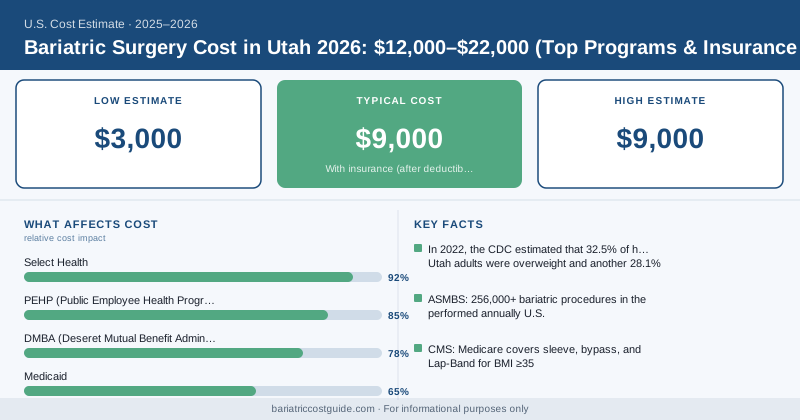
{ if eq .Lang "zh" }{ else }{ end }In 2022, the CDC estimated that 32.5% of Utah adults were overweight and another 28.1% had obesity — a combined rate of over 60% of the adult population. Despite Utah’s reputation as a health-conscious state, the obesity numbers mirror national trends, and demand for bariatric surgery has grown steadily across the Wasatch Front and beyond.
Utah has a distinctive insurance landscape: a large LDS-affiliated insurer (Select Health, owned by Intermountain), significant state employee coverage through PEHP, the church-affiliated DMBA plan, and a sizable Medicaid population. Knowing which plan you have and what it covers is step one before you call a surgeon.
Here’s what bariatric surgery actually costs in Utah in 2026 — by facility type, procedure, and coverage situation.
Utah Bariatric Cost by Scenario
| Scenario | Estimated Cost |
|---|---|
| With insurance (after deductible + copays) | $3,000–$9,000 |
| Self-pay, academic medical center (U of U) | $16,000–$22,000 |
| Self-pay, private bariatric practice | $12,000–$18,000 |
| Self-pay, rural Utah / outpatient center | $10,000–$15,000 |
| With PEHP (state employee coverage) | $2,500–$6,000 |
| Medical tourism — Mexico (for comparison) | $4,000–$7,000 |
Utah’s Major Insurers and Bariatric Coverage
Select Health — Utah’s largest insurer, owned by Intermountain Health. Most Select Health commercial plans include bariatric surgery coverage for members with BMI ≥ 40 or BMI ≥ 35 with qualifying comorbidities. Select Health and Intermountain operate as an integrated system, so Select Health members often receive coordinated care at Intermountain facilities. Check your specific plan — individual marketplace Select Health plans may have different benefit structures than employer group plans.
PEHP (Public Employee Health Program) — Covers Utah state employees, teachers, and eligible public workers. PEHP has historically provided solid bariatric surgery coverage and is one of the better plans for this procedure in the state. The pre-authorization process requires documented BMI criteria, comorbidities, and typically a 3–6 month supervised physician diet program. Total out-of-pocket with PEHP typically runs $2,500–$6,000 depending on the specific plan tier.
DMBA (Deseret Mutual Benefit Administrators) — Covers employees of the Church of Jesus Christ of Latter-day Saints and affiliated organizations. DMBA offers bariatric surgery coverage for qualifying members, with pre-authorization requirements similar to PEHP. Coverage terms vary by employer contract.
Medicaid — Utah expanded Medicaid in 2020 under the ballot initiative. Managed care plans administering Utah Medicaid — Molina Healthcare, Select Health Community Care, and UnitedHealthcare Community Plan — each have their own bariatric coverage criteria. Coverage exists but is not automatic; qualifying members with severe obesity and documented comorbidities have the best chance of authorization.
The 6-Month Diet Requirement
Top Bariatric Programs in Utah
University of Utah Health Bariatric Surgery Program (Salt Lake City) — The academic flagship. U of U is an ASMBS-designated Center of Excellence with a full multidisciplinary team: bariatric surgeons, dietitians, psychologists, and support staff. Costs are higher here than private practices — self-pay runs $18,000–$22,000 for sleeve gastrectomy — but the depth of the program and post-surgical support are comprehensive. Located at the U of U Hospital near the Research Park area in SLC.
Intermountain Health Bariatric Services — Multiple locations across the Wasatch Front including LDS Hospital (now Intermountain Medical Center in Murray), Utah Valley Hospital in Provo, and McKay-Dee Hospital in Ogden. Intermountain runs a structured bariatric program with pre-surgical education classes and ongoing support groups. Self-pay sleeve runs approximately $14,000–$19,000 depending on location.
Utah Bariatric Surgeons — A private group practice based in Murray with multiple surgeons experienced in sleeve gastrectomy, gastric bypass, and SADI-S procedures. Often more affordable for self-pay patients than academic medical centers: $12,000–$16,000 for gastric sleeve.
Revere Health Bariatrics — Multi-location practice across Utah Valley (Orem, Lehi, Provo area) offering sleeve gastrectomy and bypass. Popular with Utah County patients who want to avoid SLC traffic. Self-pay pricing competitive with private practices.
St. Mark’s Hospital (Salt Lake City) — Accredited bariatric program with a good reputation in the Salt Lake market. Hospital-based program with full surgical backup.
Adolescent Surgery: Primary Children’s Hospital handles bariatric cases for patients under 18, working through the University of Utah Health system. Utah has seen increasing adolescent bariatric referrals; coverage through Medicaid for qualifying minors with severe obesity has improved.
Salt Lake City vs. Provo vs. St. George: Price Differences
Salt Lake City / Wasatch Front: The hub of Utah bariatric care. Most programs are concentrated here. Self-pay prices run $12,000–$22,000. Access to full multidisciplinary teams and all procedure types.
Utah County (Provo/Orem): Somewhat lower prices than SLC for equivalent private practice care, owing to lower overhead costs. Revere Health and Intermountain Utah Valley cover this market well. Expect self-pay pricing $1,000–$3,000 lower than SLC on average.
St. George / Southern Utah: No major dedicated bariatric program. Most Southern Utah patients travel to SLC (4.5 hours) or Las Vegas (2.5 hours). Las Vegas has strong, competitively-priced bariatric programs and is the practical choice for St. George residents. St. George-area patients should budget for travel costs when comparing program pricing.
Ogden / Northern Utah: Served primarily by McKay-Dee Hospital (Intermountain) and private practices. Pricing comparable to Utah Valley — slightly below SLC.
Utah's Geography and Follow-Up Care
Pre-Authorization: What Utah Insurers Require
Most Utah commercial plans require the following for bariatric surgery authorization:
- BMI ≥ 40 (no comorbidities required) OR BMI ≥ 35 with qualifying comorbidities (type 2 diabetes, hypertension, sleep apnea, GERD, joint disease)
- 3–6 month physician-supervised diet documentation
- Psychological evaluation from a licensed mental health provider
- Nutritional evaluation from a registered dietitian
- Medical clearance from primary care physician
- Non-smoking status or documented cessation program
The psychological evaluation deserves attention: Utah has a strong licensed therapist community, and most bariatric programs have preferred evaluators. Cost of the psych eval is typically $150–$400 and usually covered by insurance separately from the surgery authorization.
Self-Pay Financing in Utah
For patients without coverage, Utah bariatric programs commonly work with:
- CareCredit — 12–18 month deferred interest plans; widely accepted
- Prosper Healthcare Lending — longer-term financing at fixed rates
- Program payment plans — some practices offer in-house installment plans; ask directly
University of Utah Health also has charity care and financial assistance programs for patients below income thresholds — worth applying for if self-pay costs are a barrier.
Utah’s bariatric landscape is solid. If you have PEHP, Select Health employer coverage, or Medicaid in a mandate state, you’re in a good position. If you’re self-pay, Utah’s private bariatric practices are meaningfully more affordable than coastal markets, and the concentration of quality programs along the Wasatch Front gives you real choices.
{ if eq .Lang "zh" }Disclaimer: BariatricCostGuide provides cost data for educational purposes only. We are not a medical provider, insurance company, or financial advisor. All costs are estimates based on published data and vary by location, facility, surgeon, insurance plan, and individual health factors. Consult a board-certified bariatric surgeon and your insurance carrier for personalized medical and cost advice.