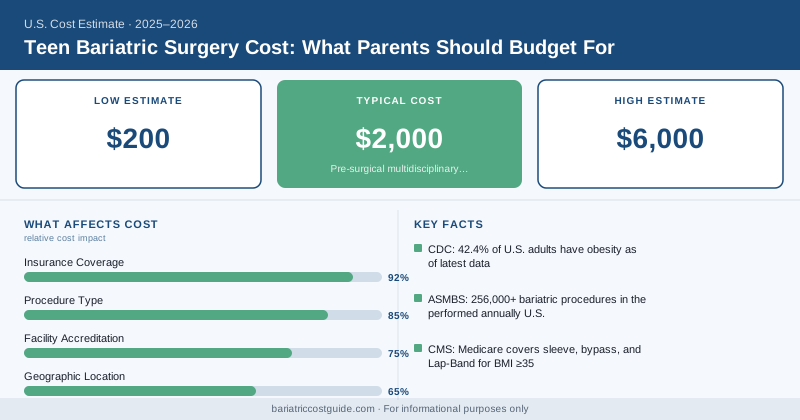
Teen Bariatric Surgery Cost: What Parents Should Budget For
{ if eq .Lang "zh" }{ else }{ end }Fifteen-year-old Emma weighs 240 pounds. Her pediatrician just mentioned surgery as an option — not as a last resort, but as a legitimate medical intervention. For her parents, the question isn’t just “should we?” It’s “what is this going to cost us?”
What Parents Actually Pay
| Cost Component | Self-Pay Range | Insured Family Out-of-Pocket |
|---|---|---|
| Pre-surgical multidisciplinary evaluation | $2,000 – $6,000 | $200 – $1,500 |
| Surgical procedure (all-in) | $15,000 – $28,000 | $1,000 – $4,000 |
| First-year monitoring visits | $800 – $2,500 | $200 – $800 |
| Annual supplements (ongoing, indefinitely) | $1,000 – $2,500/year | Same (rarely covered) |
Teen surgery runs higher than adult self-pay surgery ($12,000-$25,000) because pediatric-designated centers require a longer evaluation period, a mandatory multidisciplinary team including pediatric psychology and endocrinology, and typically 3-6 months of documented behavioral programming before approval.
Why the Insurance Process Takes Longer for Teens
According to data compiled by pediatric bariatric programs, first-submission denial rates run higher for adolescent cases than adult cases, largely due to more extensive documentation requirements:
- Minimum 3-6 months in a medically supervised weight management program
- Formal pediatric psychological evaluation
- Documented family engagement and support plan
- A multidisciplinary team letter of medical necessity
Medicaid coverage for teens varies dramatically by state — some states cover adolescent bariatric surgery readily, others require explicit appeals due to age restrictions written into older policy language that hasn’t caught up with current clinical guidelines.
Start the Supervised Diet Program Immediately
Which Procedure Do Teens Typically Get?
Gastric sleeve is the most common procedure for adolescents and is well-studied in this age group — the Teen-LABS study (JAMA Pediatrics, 2017) tracked outcomes over multiple years and found significant, sustained weight loss and comorbidity improvement. Gastric bypass is performed at experienced pediatric centers, particularly when type 2 diabetes remission is a priority, but requires more intensive nutritional monitoring given ongoing growth and development.
Pediatric Centers of Excellence
MBSAQIP-designated pediatric bariatric programs exist at children’s hospitals including Cincinnati Children’s, CHOP, Texas Children’s, Seattle Children’s, and Stanford Children’s Health. Expect waitlists of 3-6 months — starting the referral process early matters as much as the financial planning.
The Long-Term Number Parents Don’t Always See Coming
Teen patients face the same lifetime supplement requirement as adults — potentially 50-60+ more years of vitamins and monitoring. At $1,000-$2,500 per year, that’s a cumulative $50,000-$150,000 lifetime cost. It’s not a reason to avoid necessary surgery, but it is a number worth planning around rather than discovering after the fact. See our related guide on the adolescent bariatric surgery eligibility framework for the full ASMBS criteria breakdown.
{ if eq .Lang "zh" }Disclaimer: BariatricCostGuide provides cost data for educational purposes only. We are not a medical provider, insurance company, or financial advisor. All costs are estimates based on published data and vary by location, facility, surgeon, insurance plan, and individual health factors. Consult a board-certified bariatric surgeon and your insurance carrier for personalized medical and cost advice.