Sleep Apnea Improvement After Bariatric Surgery: The Real Cost Savings
{ if eq .Lang "zh" }{ else }{ end }CPAP machines cost $500 to $3,000 upfront, and that’s before you count masks, filters, and tubing that need replacing every few months. For patients with obstructive sleep apnea tied to excess weight, bariatric surgery offers something rare in medicine: a real chance to eliminate an ongoing cost entirely, not just manage it.
The Ongoing Cost of Untreated (or Managed) Sleep Apnea
| Expense | Estimated Annual Cost |
|---|---|
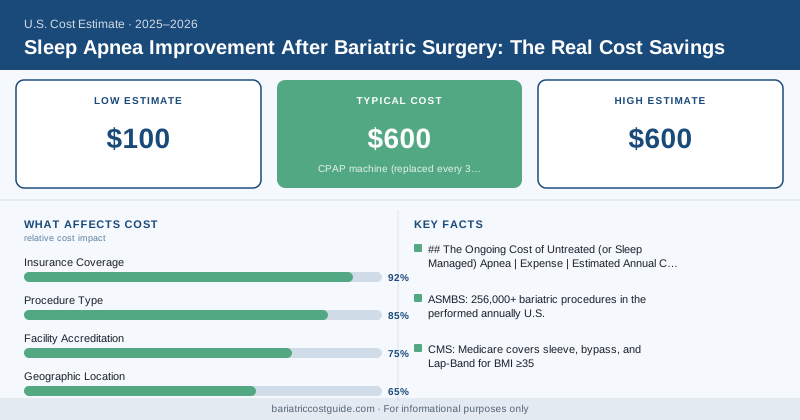
| CPAP machine (replaced every 3-5 years) | $100 – $600/year (amortized) |
| Masks, filters, tubing replacement | $300 – $600/year |
| Annual sleep study follow-up | $500 – $1,500 |
| Total typical annual cost | $800 – $1,500 |
Over a decade, that’s $8,000-$15,000 in ongoing sleep apnea management costs — not counting the harder-to-quantify cost of untreated apnea, which research has linked to increased cardiovascular risk, workplace accidents from daytime fatigue, and reduced quality of life.
What the Research Shows
Research published in JAMA and supported by data from sleep medicine studies has found that a majority of bariatric surgery patients experience significant improvement in obstructive sleep apnea severity following substantial weight loss, with a meaningful subset achieving full resolution — meaning no further CPAP requirement at all. The degree of improvement generally correlates with the amount of excess weight lost, which is one reason gastric bypass (which tends to produce greater average weight loss) is sometimes favored for patients with severe apnea.
| Outcome | Approximate Likelihood |
|---|---|
| Significant improvement in apnea severity | Majority of patients |
| Full resolution (no longer needs CPAP) | Meaningful subset of patients |
| No significant change | Smaller subset, often those with lower total weight loss |
The Follow-Up Sleep Study Is Non-Negotiable
Don’t assume you’re cured just because you feel like you’re sleeping better. Sleep medicine specialists recommend a repeat sleep study 6-12 months after significant weight loss to objectively confirm whether CPAP can be reduced or discontinued. Stopping CPAP based on subjective symptoms alone risks under-treating apnea that’s improved but not fully resolved — which carries real cardiovascular risk.
Don't Cancel Your CPAP Supply Orders Too Early
How This Fits Into Your Insurance Case
Obstructive sleep apnea is one of the most commonly accepted qualifying comorbidities for insurance approval at BMI 35-39.9. If you’re building your case for surgery at BMI 35, a documented sleep study showing moderate-to-severe apnea (AHI ≥ 15) is often one of the strongest pieces of supporting evidence you can provide.
The Bottom Line
Beyond the health benefits, resolving or significantly improving sleep apnea after bariatric surgery can eliminate $800-$1,500 a year in ongoing costs — a savings stream that compounds for as long as you maintain your weight loss, and one that rarely gets counted when patients tally up the financial case for surgery.
{ if eq .Lang "zh" }Disclaimer: BariatricCostGuide provides cost data for educational purposes only. We are not a medical provider, insurance company, or financial advisor. All costs are estimates based on published data and vary by location, facility, surgeon, insurance plan, and individual health factors. Consult a board-certified bariatric surgeon and your insurance carrier for personalized medical and cost advice.