Bariatric Surgery Second Opinion Cost: When to Get One and What to Ask
{ if eq .Lang "zh" }{ else }{ end }Your first bariatric surgeon recommends a gastric sleeve. You’ve heard that bypass might be better for diabetes. You’re not sure the program you’ve been working with is the right fit. Should you get a second opinion?
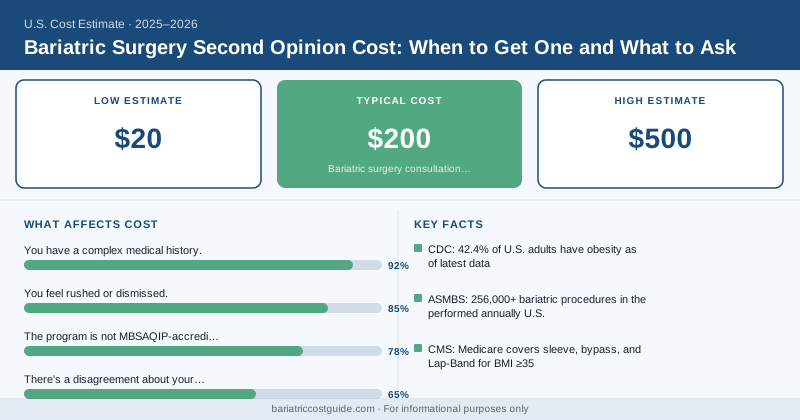
Yes. It costs $150–$500 and could change the procedure you choose, the program you work with, or simply give you the confidence that you’re on the right path. Here’s everything you need to know.
What a Second Opinion Consultation Costs
| Consultation Type | Cost (No Insurance) | Insurance Copay |
|---|---|---|
| Bariatric surgery consultation (in-person, new patient) | $200 – $500 | $20 – $75 (specialist copay) |
| Bariatric surgery consultation (telehealth) | $150 – $300 | $20 – $50 |
| Second opinion at academic medical center | $350 – $600 | $30 – $100 |
| Second opinion with chart review only (some programs) | $150 – $250 | Variable |
Most insurance plans cover second opinion consultations as specialist visits — you pay your standard specialist copay. A few plans specifically encourage (and sometimes require) second opinions for surgical procedures. Call your insurer to confirm, but in most cases, a bariatric second opinion is covered just like any other surgical consultation.
When a Second Opinion Is Worth Getting
A second opinion is worth the time and cost when:
The surgeon recommends a different procedure than you expected. If you researched gastric sleeve and the surgeon is recommending bypass or duodenal switch, understanding the specific clinical reasoning — and verifying it with a second expert — is reasonable.
You have a complex medical history. Prior abdominal surgeries, significant GERD, multiple comorbidities, or prior bariatric procedures (revision cases) involve judgment calls where surgeon experience and opinion can genuinely differ.
You feel rushed or dismissed. Good bariatric surgeons take time to explain their recommendations. If you left the consultation with unanswered questions or felt your concerns weren’t addressed, that’s worth a second look at a different program.
The program is not MBSAQIP-accredited. Before agreeing to surgery at any center, verify accreditation. If it’s not accredited, get an opinion from an accredited center before proceeding.
You’re being quoted a price significantly below or above market. Both extremes warrant investigation. Dramatically low prices sometimes reflect lower-quality programs; unusually high prices are worth shopping.
There’s a disagreement about your candidacy. One surgeon says you’re a candidate; another says you need to lose weight first; a third says you need cardiac clearance first. A third opinion helps resolve the conflict.
What to Bring to a Second Opinion Appointment
Bring everything your first program has generated:
- All lab results
- Operative reports from any previous abdominal surgeries
- Current medication list
- Your documented medical history (especially comorbidities: diabetes, hypertension, sleep apnea, reflux)
- Notes from your first surgeon’s consultation, including what procedure was recommended and why
- Imaging if relevant (upper GI series, prior CT scans)
- Your insurance’s prior authorization documentation if you’ve already started the process
The second surgeon should review your chart before seeing you. If they’re not doing that — if they’re giving you a generic consultation without reviewing your specific case — the opinion has limited value.
The 10 Questions to Ask at a Second Opinion Consultation
- What procedure would you recommend for me specifically, and why?
- How does my GERD history affect your procedure recommendation?
- How does my diabetes/sleep apnea/hypertension history factor into your recommendation?
- What is your personal leak rate for the procedure you’re recommending?
- Is this program MBSAQIP-accredited? What does your outcomes data show?
- How many procedures do you personally perform per year?
- If I’m already working with another bariatric program and have started their pre-op requirements, can I transfer those to your program?
- What do you think about the recommendation I received from the first surgeon?
- What would change your recommendation — are there any scenarios where a different procedure would be better for me?
- What’s your philosophy on managing complications if they occur?
Can Second Opinion Records Transfer Between Programs?
Generally, yes — your medical records belong to you, and you can have them sent anywhere. Specifically:
- Lab work usually transfers seamlessly. If you’ve already done a comprehensive pre-op panel, the second program typically accepts those results.
- Psychological evaluation: Most programs accept completed evaluations from licensed psychologists, though some prefer their own in-house evaluator.
- Nutrition counseling visits: Documented visits may be credited toward requirements, but confirm with the new program.
- Insurance prior authorization: If you’ve been approved for surgery at one program and switch, you typically need a new prior authorization at the new facility. Your approval doesn’t transfer automatically.
The Cost of NOT Getting a Second Opinion
The ASMBS notes that procedure selection — particularly sleeve vs. bypass for patients with significant GERD or Barrett’s esophagus — has meaningful long-term implications. A sleeve in a patient with pre-existing significant reflux carries a real risk of worsening GERD to the point of requiring conversion to bypass later. A second opinion that catches that issue before surgery saves both the complication and the conversion cost.
Similarly, a second opinion might confirm you’re absolutely on the right track — in which case the $150–$300 out-of-pocket cost buys you confidence and peace of mind, which isn’t nothing for a major surgical decision.
| Reason for Second Opinion | Potential Cost Savings if Issue Found |
|---|---|
| Wrong procedure for GERD history | $15,000 – $30,000 (avoided conversion surgery) |
| Unaccredited facility identified | Variable (avoided higher complication costs) |
| Candidacy confirmed before expensive pre-op investment | $1,000 – $3,000 (avoided unnecessary testing) |
| Procedure changed (sleeve → bypass for diabetes) | Better long-term diabetes remission, medication savings |
The Bottom Line
A bariatric surgery second opinion costs $150–$500 out of pocket, often less with insurance. It’s worth getting when the procedure recommendation is unexpected, when you have a complex medical history, when you have doubts about the program, or simply when you want confirmation before committing to a major surgery. Bring your complete records, ask specific clinical questions, and use the information to make a more confident decision — not to delay surgery indefinitely.
{ if eq .Lang "zh" }Disclaimer: BariatricCostGuide provides cost data for educational purposes only. We are not a medical provider, insurance company, or financial advisor. All costs are estimates based on published data and vary by location, facility, surgeon, insurance plan, and individual health factors. Consult a board-certified bariatric surgeon and your insurance carrier for personalized medical and cost advice.