The Real Cost of Bariatric Surgery Recovery: Time Off Work, Lost Wages & Hidden Expenses
{ if eq .Lang "zh" }{ else }{ end }The $25,000 surgery quote your surgeon gave you? That’s not the real number. By the time you’re fully recovered and back to your normal routine, you’ve typically spent $2,000–$8,000 more — in lost wages, caregiver help, OTC supplies, and follow-up appointments that weren’t on the original invoice.
Most bariatric programs are upfront about procedure costs. Almost none walk you through what the 4–6 weeks after surgery actually cost. That gap in planning leaves a lot of patients financially surprised at the worst possible time.
How Long Does Recovery Actually Take?
The ASMBS (American Society for Metabolic and Bariatric Surgery) estimates that most patients return to desk work within 2–3 weeks after laparoscopic sleeve gastrectomy or gastric bypass. Physical labor — construction, nursing, manual jobs — typically requires 4–6 weeks off.
Those are averages. If you have a complication like a leak, DVT, or infection, you’re looking at 6–12 weeks or longer. About 4–5% of bariatric patients experience a major complication requiring extended recovery, according to ASMBS outcomes data.
Lost Wages: The Biggest Hidden Cost
This is where most patients underestimate. If you earn $50,000/year and take 4 weeks off without full pay, that’s roughly $3,800 in lost wages before taxes. Not everyone has that cushion.
| Income Level | 2 Weeks Off | 4 Weeks Off | 6 Weeks Off |
|---|---|---|---|
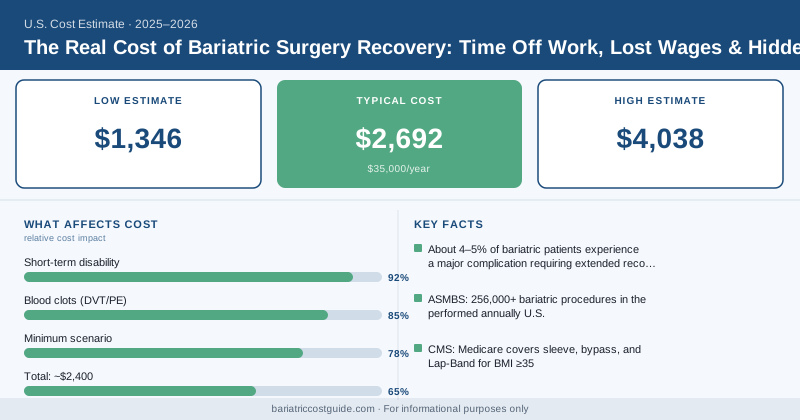
| $35,000/year | $1,346 | $2,692 | $4,038 |
| $50,000/year | $1,923 | $3,846 | $5,769 |
| $75,000/year | $2,885 | $5,769 | $8,654 |
| $100,000/year | $3,846 | $7,692 | $11,538 |
Short-term disability can offset some of this. If your employer offers STD coverage (typically 60–70% wage replacement after a 7–14 day waiting period), your actual loss is lower. But many hourly workers and self-employed individuals don’t have STD coverage at all.
FMLA protects your job for 12 weeks, but it doesn’t pay you. That’s a legal protection, not a financial one.
Apply for FMLA and STD Before Your Surgery Date
Start the paperwork 4–6 weeks before your scheduled surgery. Your HR department needs FMLA paperwork filed before your leave starts — retroactive applications are often denied. If your employer offers short-term disability, make sure you’re enrolled; some plans have a 30-day waiting period before coverage begins.
Your bariatric coordinator can provide the medical documentation your employer or insurer needs.
What You’ll Actually Spend Out of Pocket
Beyond lost income, there are real cash expenses during recovery:
| Expense Category | Typical Cost Range |
|---|---|
| OTC medications (pain relief, gas relief, stool softeners) | $50 – $150 |
| Protein supplements during liquid/soft food phase (4–8 weeks) | $150 – $400 |
| Specialized recovery foods (broths, sugar-free popsicles, soft foods) | $100 – $300 |
| Caregiver help (first 1–2 weeks post-op) | $0 – $2,000 |
| Transportation to follow-up appointments | $50 – $300 |
| Compression garments, pillows, recovery aids | $75 – $200 |
| Estimated total out-of-pocket (not counting lost wages) | $425 – $3,350 |
Caregiver costs vary enormously. If a family member can take time off to help, your cost is zero. If you’re single, live alone, or your partner can’t miss work, you may need to hire someone — or stay extra days in a surgical recovery hotel, which some programs offer at $150–$350/night.
Follow-Up Visits in the First Year
Your surgical program’s follow-up schedule isn’t optional. Most ASMBS-accredited centers require visits at 2 weeks, 6 weeks, 3 months, 6 months, and 12 months post-op. That’s 5 visits in year one, not counting labs and nutrition appointments.
| Visit Type | Typical Cost (With Insurance) | Without Insurance |
|---|---|---|
| Surgeon follow-up (5 visits, year 1) | $150 – $600 total copays | $800 – $2,500 |
| Lab work (complete metabolic panel, vitamins) | $50 – $200/draw | $200 – $600/draw |
| Registered dietitian visits (4–8/year) | $150 – $500 total copays | $400 – $1,200 |
| Year 1 follow-up total | $350 – $1,300 | $1,400 – $4,300 |
If you’re insured, these visits usually fall under your regular specialist copay structure. If you had surgery self-pay or abroad, you’ll need a US-based bariatric program willing to take on your follow-up care — and they’ll bill accordingly.
The Complication Scenario: When Recovery Gets Expensive
A routine recovery costs $2,000–$5,000 in total hidden expenses. A complicated one can double or triple that.
If you develop a post-op leak (0.5–1% of sleeve patients, 1–2% of bypass patients), you may need hospitalization, possibly a second procedure, and 4–8 additional weeks off work. Total additional cost: $10,000–$50,000+, most covered by insurance but with significant out-of-pocket exposure depending on your plan’s out-of-pocket maximum.
Blood clots (DVT/PE) are another complication that extends both recovery and costs. About 0.3–0.5% of bariatric patients experience a VTE event. Treatment typically involves anticoagulation for 3–6 months ($150–$400/month for newer agents like rivaroxaban) plus additional monitoring.
Planning Your Recovery Budget
Here’s a realistic all-in recovery budget to build before surgery:
Minimum scenario (desk worker, good insurance, family support, no complications):
- Lost wages: $1,500 (2 weeks at average salary)
- Out-of-pocket expenses: $500
- Follow-up visits + labs: $400
- Total: ~$2,400
Typical scenario (2–4 weeks off, moderate insurance, some help needed):
- Lost wages: $2,500–$4,000
- Out-of-pocket expenses: $1,000–$1,500
- Follow-up visits + labs: $500–$800
- Total: $4,000–$6,300
Extended scenario (physically demanding job, limited insurance, complication):
- Lost wages: $5,000–$8,000+
- Out-of-pocket expenses: $2,000–$3,500
- Follow-up + additional care: $1,000–$2,500
- Total: $8,000–$14,000+
The good news: most of these costs are one-time. After year one, your ongoing annual costs drop significantly — mostly vitamins, labs, and an annual check-in. The recovery period is the financial peak. Plan for it, and it won’t blindside you.
{ if eq .Lang "zh" }Disclaimer: BariatricCostGuide provides cost data for educational purposes only. We are not a medical provider, insurance company, or financial advisor. All costs are estimates based on published data and vary by location, facility, surgeon, insurance plan, and individual health factors. Consult a board-certified bariatric surgeon and your insurance carrier for personalized medical and cost advice.