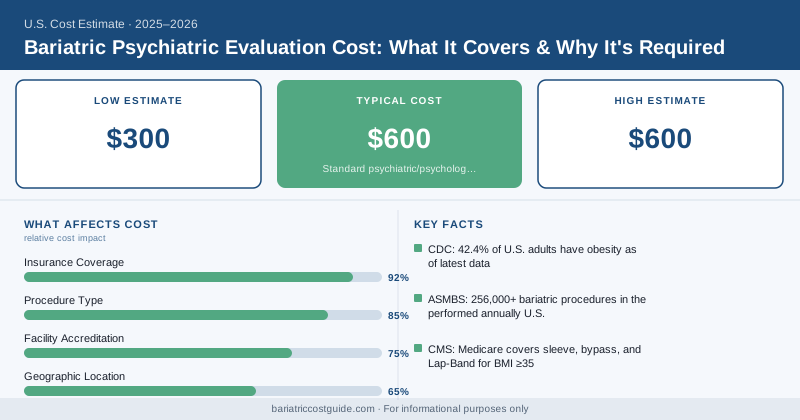
Bariatric Psychiatric Evaluation Cost: What It Covers & Why It's Required
{ if eq .Lang "zh" }{ else }{ end }A psych eval isn’t a formality insurers invented to slow you down. It exists because bariatric surgery changes more than your stomach — it changes your relationship with food, your body image, and in some cases, how medications and alcohol affect you. Insurers and surgeons want to know you’re prepared for that before committing to an irreversible or hard-to-reverse procedure.
What the Evaluation Costs
| Component | Estimated Cost |
|---|---|
| Standard psychiatric/psychological evaluation | $300 – $600 |
| Follow-up sessions if concerns are flagged | $150 – $300/session |
| Ongoing psychiatric medication management (if needed) | $100 – $250/visit |
| Substance abuse counseling (if required for clearance) | Varies, often covered separately |
Most bariatric programs bundle the initial evaluation into their overall pre-op program fee, so this often doesn’t appear as a separate line-item cost to patients — but it’s worth confirming directly with your program coordinator.
What the Evaluation Actually Covers
A typical bariatric psychiatric or psychological evaluation includes:
- A structured clinical interview covering mental health history and current symptoms
- Assessment of eating patterns, including any history of binge eating or disordered eating
- Substance use screening (alcohol, drugs, and increasingly, awareness of “addiction transfer” risk after surgery)
- Evaluation of your support system and understanding of post-surgical lifestyle requirements
- Standardized questionnaires in some programs (depression, anxiety, or eating disorder screening tools)
Does a Mental Health Diagnosis Disqualify You?
No — this is the most persistent misconception about the requirement. A diagnosis of depression, anxiety, or a past eating disorder does not automatically disqualify you. What matters is whether your condition is currently stable and managed.
| Situation | Typical Impact on Approval |
|---|---|
| Stable, medicated depression/anxiety | Generally not a barrier |
| Active, untreated severe depression | Requires stabilization first |
| Current active substance abuse | Requires treatment/sobriety period first |
| Well-managed bipolar disorder or schizophrenia | Case-by-case, often approved with psychiatric team coordination |
| Active, uncontrolled binge eating disorder | Often requires treatment before surgical clearance |
Bring Documentation of Ongoing Treatment
Why Insurers Require This Specifically
Beyond clinical safety, insurers use the psychiatric evaluation as part of their broader medical necessity documentation for prior authorization. Research on post-bariatric outcomes has found that patients with unaddressed mental health conditions face higher rates of weight regain and lower satisfaction with surgical outcomes — which is part of why this step is standard across virtually every accredited program, not insurer-specific overreach.
After Surgery: Ongoing Mental Health Support
Many programs recommend continued mental health check-ins during your first post-op year, since rapid body changes, shifting food relationships, and hormonal changes from weight loss can surface new emotional challenges. This connects closely with body image therapy costs that some patients pursue well into their second and third post-op years.
{ if eq .Lang "zh" }Disclaimer: BariatricCostGuide provides cost data for educational purposes only. We are not a medical provider, insurance company, or financial advisor. All costs are estimates based on published data and vary by location, facility, surgeon, insurance plan, and individual health factors. Consult a board-certified bariatric surgeon and your insurance carrier for personalized medical and cost advice.