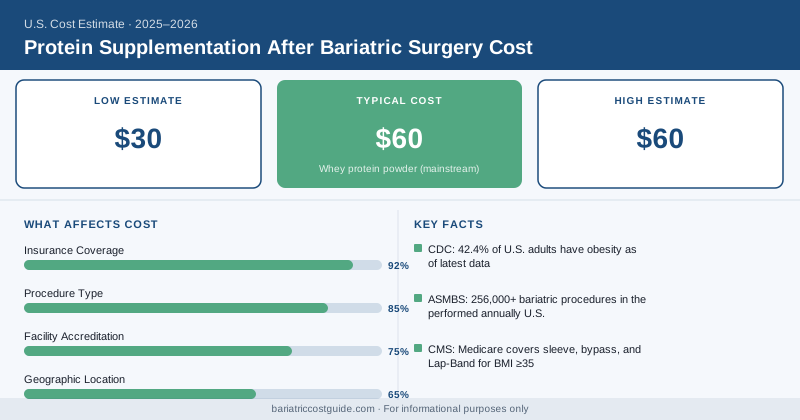
Protein Supplementation After Bariatric Surgery Cost
{ if eq .Lang "zh" }{ else }{ end }13% of gastric bypass patients develop protein malnutrition by year five — not because they stopped caring, but because they didn’t understand what their altered anatomy actually demands. That NIH figure isn’t a fringe risk. It’s a documented long-term consequence of inadequate protein supplementation after bariatric surgery, and it comes with real clinical costs: muscle loss, fatigue, immune suppression, and in severe cases, hospitalization. The good news is that protein supplementation is one of the most controllable post-op expenses — and it’s far cheaper than treating the consequences of skipping it.
Why Protein Needs Are Different After Surgery
Your stomach pouch holds 2–4 ounces right after surgery. Even as restriction relaxes over months and years, absorption is permanently changed — particularly after gastric bypass and duodenal switch, where the small intestine segment responsible for protein digestion is shortened or bypassed. The ASMBS sets the minimum protein target at 60–80 grams per day post-op, with most clinical dietitians recommending 80–100 grams for bypass patients specifically.
Hitting those numbers through food alone is genuinely hard in the first 12–18 months, when volume is most restricted and food tolerances are unpredictable. Protein supplements fill the gap. They’re not a temporary crutch — for many bariatric patients, they’re a permanent part of the daily routine.
Protein Supplement Options and Costs
Not all protein supplements are equal for bariatric patients. Whey isolate and whey concentrate are the most bioavailable; casein digests slowly and can work well for overnight protein needs; plant-based options (pea, rice blends) work for those who are lactose-intolerant but may require higher volume to match whey’s amino acid profile.
| Product Type | Examples | Monthly Cost |
|---|---|---|
| Whey protein powder (mainstream) | Optimum Nutrition, Dymatize, Isopure | $30 – $60 |
| Casein or plant-based protein powder | Orgain, Vega, Garden of Life | $35 – $70 |
| Bariatric-formulated protein powder | Unjury, Celebrate, ProCare Health | $45 – $90 |
| Ready-to-drink protein shakes (RTD) | Premier Protein, Fairlife, Core Power | $40 – $100 |
| High-protein meal delivery services | Factor, Trifecta, Green Chef | $150 – $350 |
Bariatric-specific formulas like Unjury deserve a mention here. They’re engineered to dissolve easily, sit lightly in a small pouch, and avoid the heavy, sweet flavor that causes many post-op patients to abandon mainstream shakes. They’re pricier, but for patients in the first 6–12 months post-op who are struggling with tolerance, the ease of use is worth the extra cost. As your diet expands, you can often transition to less expensive mainstream products.
Ready-to-drink shakes are convenient but expensive at scale. Premier Protein (30g protein, ~$2.50/bottle) is widely used and easy to find at Costco, Sam’s Club, and grocery stores. Buying in bulk cuts the per-unit cost significantly.
Whey Isolate vs. Concentrate: Which One to Buy
Dietitian Guidance Costs
Protein supplementation isn’t set-it-and-forget-it. Your targets should be recalibrated as your weight stabilizes, your food intake expands, and your labs change. A registered dietitian with bariatric experience is the right person to help you dial in the right type, timing, and total amount.
| Service | Cost |
|---|---|
| Initial bariatric dietitian consultation | $100 – $200 |
| Follow-up nutrition visit (protein/lab review) | $75 – $150/visit |
| Telehealth dietitian (bariatric specialty platforms) | $50 – $120/visit |
| Lab panel (albumin, prealbumin, protein markers) | $60 – $150 self-pay |
Albumin and prealbumin lab testing is the clinical way to track whether your protein intake is actually working at the tissue level. These markers are typically included in the standard bariatric annual lab panel — confirm with your program that they’re ordered, and don’t wait for symptoms of deficiency before checking them.
Annual Cost Projections
- Basic supplementation (1–2 shakes/day, mainstream brand): $360–$720/year
- Bariatric-specific formula: $540–$1,080/year
- RTD convenience shakes (bulk buying): $480–$960/year
- Dietitian visits (2–3/year): $150–$600/year
- Total annual protein support budget: $510–$1,680
That annual range is significant — but it compares favorably to the treatment cost of protein malnutrition. Severe hypoproteinemia can require IV albumin infusions ($500–$2,000/treatment), extended medical nutrition therapy, and in serious cases, hospitalization. The supplement budget is the cheap option.
Saving Money Without Cutting Corners
- Buy in bulk at Costco or Sam’s Club — Premier Protein and Fairlife RTDs are significantly cheaper per unit in warehouse quantities
- Use your FSA or HSA — Protein supplements prescribed or recommended by a physician for a medical condition (post-bariatric malnutrition prevention) qualify as FSA/HSA-eligible expenses
- Check your bariatric program’s pharmacy or store — Many programs sell Unjury, Celebrate, and similar products at cost without markup
- Shop sales on mainstream isolates — Isopure, Dymatize, and Optimum Nutrition go on sale regularly; buying 5-lb tubs during sales cuts the monthly cost to $25–$40
Protein supplementation is one of the few post-bariatric expenses that doesn’t decrease over time. Unlike the initial surgical cost or the first-year intensive follow-up schedule, protein needs don’t disappear when you hit your goal weight. Build it into your permanent monthly budget — alongside your vitamins and lab work — because that’s what it is: a permanent part of life after bariatric surgery.
{ if eq .Lang "zh" }Disclaimer: BariatricCostGuide provides cost data for educational purposes only. We are not a medical provider, insurance company, or financial advisor. All costs are estimates based on published data and vary by location, facility, surgeon, insurance plan, and individual health factors. Consult a board-certified bariatric surgeon and your insurance carrier for personalized medical and cost advice.