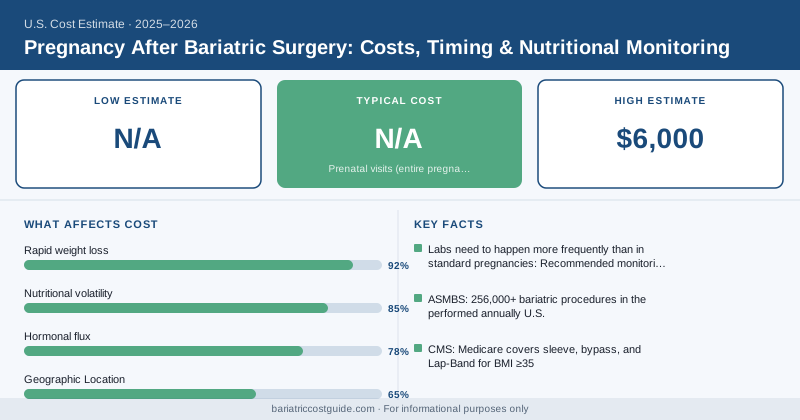
Pregnancy After Bariatric Surgery: Costs, Timing & Nutritional Monitoring
{ if eq .Lang "zh" }{ else }{ end }Bariatric surgery dramatically improves fertility. Obesity disrupts hormonal regulation of ovulation — and significant weight loss can restore normal menstrual cycles within months. Many women who had difficulty conceiving before surgery find themselves pregnant surprisingly quickly after. The 12–18 month waiting recommendation isn’t arbitrary; it exists because getting pregnant during the rapid weight loss phase creates real nutritional risks for both mother and baby.
The ASMBS recommends waiting at least 12–18 months after bariatric surgery before attempting conception. Some programs, particularly post-gastric bypass, recommend 18 months as the minimum. Getting the timing right — and the monitoring right — has real cost implications that most patients aren’t prepared for.
Why the 12–18 Month Wait Matters
During the first 12–18 months after bariatric surgery, your body is in rapid weight loss mode. Several processes are happening simultaneously:
- Rapid weight loss: Your calorie intake is severely restricted and your body is mobilizing fat stores
- Nutritional volatility: Even with supplements, micronutrient levels fluctuate significantly in the first year
- Hormonal flux: As weight drops and body composition changes, estrogen levels change, ovulation may become irregular
A pregnancy during this window puts the developing baby in competition with a nutritionally unstable maternal environment. A 2019 systematic review in Obesity Surgery found that pregnancies within 12 months of bariatric surgery had higher rates of intrauterine growth restriction, preterm birth, and small-for-gestational-age infants compared to pregnancies after the weight loss plateau.
The High-Risk Pregnancy Designation
Most women who’ve had bariatric surgery are classified as high-risk pregnancies (“advanced care pregnancies”) — which changes both the care model and the cost.
| Care Type | Standard OB Cost | High-Risk (MFM) Cost |
|---|---|---|
| Prenatal visits (entire pregnancy) | $1,500 – $3,500 | $2,500 – $6,000 |
| Ultrasounds (standard 2–3) | $300 – $900 | $800 – $2,500 (more frequent) |
| Growth scans (post-bariatric monitoring) | Not routine | $200 – $400 per scan |
| Maternal-fetal medicine consults | Not routine | $400 – $800 per consult |
| Nutritional labs (quarterly in pregnancy) | $200 – $400 total | $600 – $1,500 total |
| Delivery (vaginal) | $8,000 – $15,000 | $10,000 – $18,000 |
| Delivery (C-section) | $12,000 – $25,000 | $15,000 – $30,000 |
With standard prenatal insurance coverage, most of these costs are covered — but co-pays and deductibles add up, especially for high-risk pregnancies with more frequent visits and testing.
Nutritional Monitoring Costs During Pregnancy
This is the most underestimated post-bariatric pregnancy cost. Labs need to happen more frequently than in standard pregnancies:
Recommended monitoring schedule (ASMBS):
- Complete nutritional panel (iron, ferritin, B12, folate, vitamin D, zinc, thiamine) at:
- Pre-conception
- Each trimester (3 draws)
- 6 weeks postpartum
Self-pay lab cost per comprehensive panel: $200–$500. With insurance: $50–$150 co-pay per draw.
Supplements during pregnancy after bariatric surgery: Standard prenatal vitamins are not adequate. Post-bariatric pregnant women need:
- Bariatric-specific prenatal vitamin (with higher iron, B12, folate)
- Additional calcium citrate
- Additional vitamin D
- Iron supplementation (especially for bypass patients)
- Possible thiamine supplement
Monthly supplement cost during pregnancy: $100–$200 (vs. $20–$30 for standard prenatal vitamins alone).
Working with a High-Risk OB (MFM Specialist)
Maternal-fetal medicine (MFM) specialists — perinatologists — have specific training in managing high-risk pregnancies. Most post-bariatric pregnancies benefit from at least co-management with an MFM, meaning:
- Initial consultation to establish the risk profile
- Periodic growth scan oversight (ultrasounds measuring fetal growth)
- Nutritional lab interpretation specific to post-bariatric anatomy
Many women see both their regular OB and an MFM throughout pregnancy — the OB handles routine prenatal care, the MFM handles the high-risk monitoring. Co-pays for both add up.
Ask your bariatric program if they have a relationship with an MFM group — many programs maintain referral partnerships with perinatology practices experienced in post-bariatric cases.
Gestational Diabetes Screening — Different Rules After Bariatric Surgery
Here’s a wrinkle many patients don’t expect: the standard glucose tolerance test (the drink you take at 24–28 weeks) is often not appropriate for post-bariatric patients. Drinking 50–75g of glucose solution can trigger dumping syndrome in bypass patients — and the test results may be unreliable in patients with altered gastric anatomy.
The alternative: fasting glucose monitoring or a modified glucose challenge protocol. Your OB and MFM need to know your surgical history to use the right screening approach.
This doesn’t typically add cost — it substitutes a different test — but it requires proactive communication with your obstetric team.
Postpartum Considerations and Costs
After delivery:
- Nutritional labs at 6 weeks postpartum: Back to full monitoring panel
- Breastfeeding: Generally safe and encouraged post-bariatric, but requires higher nutrient intake. Resume full supplement protocol immediately postpartum.
- Return to bariatric follow-up care: Reconnect with your bariatric program for annual labs and weight check
- Contraception resumption: Discuss with your OB and bariatric surgeon — oral contraceptives may have altered absorption after bypass; IUD or implant may be preferred
Total incremental cost of pregnancy after bariatric surgery (beyond standard prenatal costs): roughly $1,500–$5,000 additional over the course of the pregnancy and postpartum period, depending on monitoring intensity.
Bottom Line for Family Planning After Bariatric Surgery
Wait the recommended 12–18 months. Build in the additional monitoring budget. Work with an MFM-familiar OB or a program that has post-bariatric pregnancy experience. The outcomes data shows that women who follow this protocol have pregnancy outcomes comparable to the non-bariatric population — and substantially better than they would have faced at their pre-surgery weight. The extra cost of doing it right is an investment in both your health and your child’s.
{ if eq .Lang "zh" }Disclaimer: BariatricCostGuide provides cost data for educational purposes only. We are not a medical provider, insurance company, or financial advisor. All costs are estimates based on published data and vary by location, facility, surgeon, insurance plan, and individual health factors. Consult a board-certified bariatric surgeon and your insurance carrier for personalized medical and cost advice.