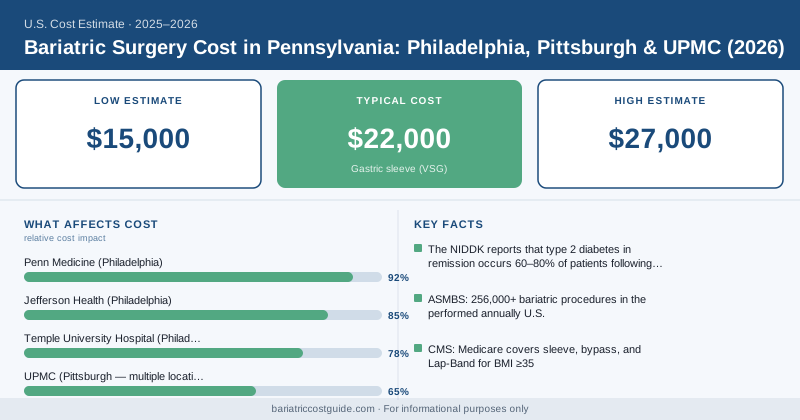
Bariatric Surgery Cost in Pennsylvania: Philadelphia, Pittsburgh & UPMC (2026)
{ if eq .Lang "zh" }{ else }{ end }Pennsylvania has two of the most prestigious academic medical centers in the United States — Penn Medicine in Philadelphia and UPMC in Pittsburgh — and both operate nationally recognized bariatric programs. That’s great for clinical quality. It also means self-pay prices in Pennsylvania sit above national averages in both major metros, since prestige hospital pricing doesn’t discount easily.
Understanding where Pennsylvania fits in the national cost map — and how to access lower-cost accredited options — can save you $5,000–$12,000 on the same procedure.
Pennsylvania Bariatric Surgery Prices (2026)
| Procedure | Philadelphia Metro | Pittsburgh Metro | PA Smaller Markets |
|---|---|---|---|
| Gastric sleeve (VSG) | $18,000 – $27,000 | $17,000 – $26,000 | $15,000 – $22,000 |
| Gastric bypass (Roux-en-Y) | $22,000 – $32,000 | $21,000 – $31,000 | $18,000 – $28,000 |
| Duodenal switch | $28,000 – $40,000 | $27,000 – $38,000 | $23,000 – $35,000 |
| Mini gastric bypass | $20,000 – $28,000 | $19,000 – $27,000 | $16,500 – $24,000 |
| Revision surgery | $26,000 – $42,000 | $24,000 – $40,000 | $20,000 – $36,000 |
Pennsylvania’s prices run 10–20% above national averages in the major metros — consistent with the Northeast’s higher healthcare cost environment. However, community hospital and independent bariatric center pricing in smaller PA markets (Allentown, Reading, Harrisburg, Scranton) is significantly more competitive.
Choosing Between Penn Medicine and UPMC
Top Bariatric Programs in Pennsylvania
Penn Medicine (Philadelphia) Penn’s Weight and Eating Disorders Program offers bariatric surgery through the Perelman School of Medicine at Penn Presbyterian Medical Center and Pennsylvania Hospital. Penn’s program is MBSAQIP-accredited and has a strong research component in metabolic surgery outcomes. Self-pay pricing at Penn runs $22,000–$30,000 for gastric sleeve. Penn is in-network with most major Philadelphia-area commercial plans: Independence Blue Cross, Aetna, Cigna, and United Healthcare. Penn also accepts PA Medicaid (Medical Assistance) for qualifying patients.
Jefferson Health (Philadelphia) Thomas Jefferson University Hospital’s Bariatric Surgery program is one of the highest-volume programs in the Philadelphia region. Jefferson’s pricing for self-pay runs slightly below Penn — approximately $19,000–$27,000 for sleeve. Jefferson is MBSAQIP-accredited and participates broadly in the Philadelphia insurance market. For patients on Keystone First or AmeriHealth Caritas (PA Medicaid HMOs), Jefferson is often in the network.
Temple University Hospital (Philadelphia) Temple Health is a major safety-net hospital serving North Philadelphia and surrounding communities. Its bariatric surgery program operates under Temple’s Department of Surgery and has MBSAQIP accreditation. Temple is one of the most accessible PA academic programs for PA Medicaid patients. Self-pay pricing is lower than Penn and Jefferson — $17,000–$24,000 for sleeve. For uninsured or Medicaid-covered Philadelphia patients, Temple is often the most accessible option.
UPMC (Pittsburgh — multiple locations) UPMC’s Bariatric Surgery Program operates across multiple Pittsburgh-area facilities, including UPMC Presbyterian, UPMC Magee-Womens Hospital, and UPMC St. Margaret. UPMC is the dominant health system in western PA and holds Comprehensive Center accreditation. Self-pay pricing at UPMC runs $19,000–$28,000 for sleeve gastrectomy, all-inclusive. UPMC has its own health insurance plan (UPMC Health Plan) — if you’re enrolled in UPMC Health Plan, your bariatric coverage terms are determined by that plan’s specific benefit design.
Allegheny Health Network (AHN — Pittsburgh) AHN is UPMC’s main competitor in western PA. The Allegheny General Hospital bariatric program serves Pittsburgh’s North Side and surrounding communities. AHN’s pricing is slightly competitive with UPMC — $17,000–$26,000 for sleeve self-pay. AHN is in-network with Highmark, which is the dominant Blue Cross Blue Shield insurer in western PA and UPMC’s chief rival in the insurance market.
Geisinger Health System (central PA) Geisinger’s Surgical Weight Management Program serves central and northeastern PA from campuses in Danville, Wilkes-Barre, and Scranton. Geisinger is MBSAQIP-accredited. Pricing is among the most competitive in PA for a major academic system — $15,500–$22,000 for sleeve. Geisinger also has its own health plan, making in-network access seamless for Geisinger Health Plan members.
Pennsylvania Medicaid (Medical Assistance) Coverage
Pennsylvania Medicaid covers bariatric surgery under its Medical Assistance program. Standard ASMBS-aligned criteria apply:
- BMI ≥ 40, or
- BMI ≥ 35 with at least one qualifying comorbidity
- Documentation of medically supervised weight loss attempts (typically 3–6 months)
- Psychological evaluation clearance
- Nutritional counseling documentation
PA Medicaid is delivered through managed care organizations (MCOs): Keystone First, AmeriHealth Caritas PA, UPMC for You, Highmark Wholecare, and others. Prior authorization is required and processed through your MCO. The clinical criteria are consistent, but timelines and paperwork vary by plan.
The NIDDK reports that type 2 diabetes remission occurs in 60–80% of patients following gastric bypass surgery — a statistic PA Medicaid reviewers understand. If you have type 2 diabetes as a comorbidity, document it prominently in your prior authorization submission.
Independence Blue Cross and Highmark Coverage
Pennsylvania has two dominant commercial insurance markets, split by geography:
Independence Blue Cross (IBX — eastern PA/Philadelphia region): IBX covers bariatric surgery under most employer group plans. Standard IBX criteria: BMI ≥ 40 or ≥ 35 with comorbidities, 3–6 months medically supervised diet, psychological evaluation, nutritional assessment. IBX generally requires procedures at MBSAQIP-accredited centers. Penn, Jefferson, and Temple all qualify.
Highmark (western PA/Pittsburgh region): Highmark Blue Cross Blue Shield covers bariatric surgery with similar criteria. The major notable: Highmark and UPMC have had a contentious contractual history — verify that your specific UPMC facility is currently in-network under your Highmark plan before proceeding. Allegheny Health Network is the default in-network hospital system for Highmark in western PA.
Self-Pay and Financing in Pennsylvania
For self-pay patients, Pennsylvania’s community hospital and independent surgical center market offers meaningful savings over flagship academic programs. Hospitals in Allentown (Lehigh Valley Health Network), Lancaster, and Reading offer accredited bariatric programs at $15,000–$20,000 for sleeve — $5,000–$10,000 less than Penn or UPMC.
Bariatric surgery financing through CareCredit, Prosper Healthcare Lending, and medical loans is accepted at virtually every Pennsylvania program. Many programs offer in-house financing as well.
Bottom Line
Pennsylvania’s bariatric surgery market is anchored by two world-class academic systems — Penn Medicine and UPMC — with community alternatives that offer comparable accredited care at meaningfully lower prices. Philadelphia-area self-pay costs run $18,000–$32,000; Pittsburgh tracks slightly below that. PA Medicaid covers bariatric surgery with standard criteria, delivered through managed care plans. For insured patients, verify your specific plan’s in-network hospitals — the Highmark-UPMC relationship in western PA adds a wrinkle that catches patients off guard.
{ if eq .Lang "zh" }Disclaimer: BariatricCostGuide provides cost data for educational purposes only. We are not a medical provider, insurance company, or financial advisor. All costs are estimates based on published data and vary by location, facility, surgeon, insurance plan, and individual health factors. Consult a board-certified bariatric surgeon and your insurance carrier for personalized medical and cost advice.