Bariatric Surgery for PCOS: Fertility Restoration and Hormone Cost Savings
{ if eq .Lang "zh" }{ else }{ end }Sarah, 29, had been on metformin, spironolactone, and oral contraceptives for four years managing her PCOS. Her annual medication and monitoring costs ran about $2,400. After gastric sleeve surgery, she lost 80 lbs — and three months later, her gynecologist confirmed regular ovulation for the first time in a decade.
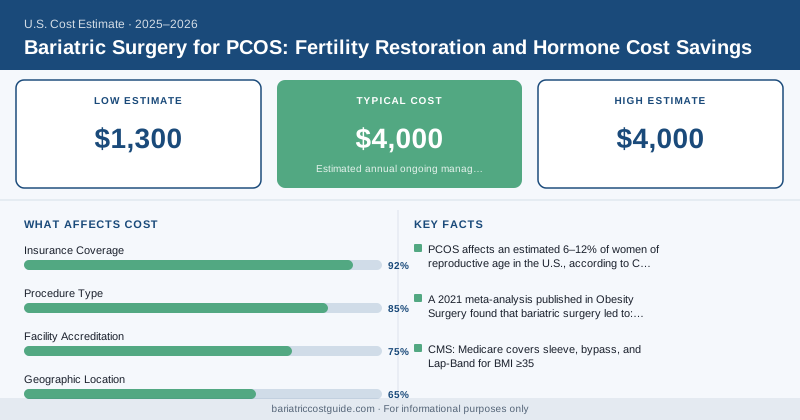
That’s not an unusual story. PCOS affects an estimated 6–12% of women of reproductive age in the U.S., according to CDC data. It’s also one of the conditions most responsive to weight loss — and therefore one where bariatric surgery can produce dramatic hormonal improvements alongside the weight loss itself.
What PCOS Management Costs Without Surgery
| PCOS Treatment | Annual Cost |
|---|---|
| Metformin (generic) | $200 – $600 |
| Spironolactone (for hirsutism/androgen effects) | $200 – $800 |
| Oral contraceptives (cycle regulation) | $200 – $600 |
| Clomiphene or letrozole (for ovulation induction) | $300 – $800/cycle |
| Injectable gonadotropins (if OI fails) | $2,000 – $5,000/cycle |
| IUI (if needed) | $1,500 – $4,000/attempt |
| Endocrinology/gynecology visits | $400 – $1,200 |
| Lab monitoring (hormones, metabolic panels) | $300 – $800 |
| Estimated annual ongoing management (medication + visits) | $1,300 – $4,000 |
Women who also need fertility assistance face substantially higher costs. IVF for PCOS-related infertility (when oral medications fail) runs $12,000–$17,000 per cycle in the U.S. without insurance coverage for fertility treatments.
PCOS Remission Rates After Bariatric Surgery
The evidence base here is compelling. A 2021 meta-analysis published in Obesity Surgery found that bariatric surgery led to:
- Regular menstrual cycles restored in 82% of women with PCOS
- Testosterone normalization in approximately 75% of patients
- Resolution of anovulation (absence of ovulation) in the majority of cases
- Significant improvements in insulin resistance, which drives most PCOS symptoms
These outcomes make biological sense. PCOS is primarily an insulin resistance and androgen excess disorder, and obesity worsens both. Significant weight loss — particularly after metabolically active procedures like gastric bypass — directly addresses the underlying hormonal disruption.
| Symptom/Condition | PCOS Improvement After Bariatric Surgery |
|---|---|
| Irregular periods | 82% restoration to regular cycles |
| Elevated androgens (testosterone, DHEA-S) | 70–80% normalization |
| Insulin resistance/hyperinsulinemia | 60–80% improvement |
| Anovulation/infertility | Significant improvement in majority |
| Hirsutism (excess hair growth) | Partial improvement (slower to resolve) |
| Acne | Partial improvement |
The Fertility Cost Calculation
This is where the math gets complicated — but worth running. If a woman with PCOS and obesity needs fertility assistance to conceive, she faces:
- Multiple cycles of oral ovulation induction: $1,000–$3,000 total
- Potential IUI cycles: $3,000–$12,000 total
- Potential IVF if lower-tech options fail: $12,000–$50,000+
Bariatric surgery that restores natural ovulation eliminates most of these costs. Even more significantly, IVF clinics generally recommend women with obesity achieve a healthier BMI before IVF — both because outcomes are better and because some clinics won’t perform IVF above a BMI threshold (often 35–40).
Pregnancy After Bariatric Surgery: What to Know
If you’re considering bariatric surgery with future pregnancy in mind:
- Most bariatric programs recommend waiting 12–18 months post-op before attempting pregnancy to allow weight stabilization
- Nutritional monitoring during pregnancy is essential — iron, B12, folate, calcium, and vitamin D absorption may be altered
- Outcomes data shows bariatric surgery before pregnancy is generally associated with better maternal and fetal outcomes than proceeding with obesity untreated
- The ASMBS has formal guidance on pregnancy after bariatric surgery — ask your surgeon for the specific recommendations that apply to your procedure type
Discuss your pregnancy plans with your bariatric surgeon before surgery so they can tailor your nutritional protocol and follow-up plan accordingly.
Insurance Considerations for PCOS and Bariatric Surgery
PCOS itself doesn’t automatically qualify you for bariatric surgery coverage — you still need to meet BMI thresholds (generally ≥ 40, or ≥ 35 with qualifying comorbidities). However, the insulin resistance and metabolic syndrome that commonly accompany PCOS may qualify as supporting comorbidities.
If you have PCOS plus:
- Type 2 diabetes or prediabetes
- Hypertension
- Hyperlipidemia
- Sleep apnea
…those conditions collectively strengthen a prior authorization case even if PCOS itself isn’t listed as a primary qualifying comorbidity in your plan’s bariatric coverage policy.
The Bottom Line
PCOS management costs $1,300–$4,000+ annually for medications and monitoring, with potentially much higher fertility treatment costs for women who can’t conceive naturally. Bariatric surgery restores regular menstrual cycles and normalizes androgens in approximately 75–82% of women with PCOS. For women with obesity and PCOS who want to improve both their health and their fertility options, bariatric surgery often makes strong medical and financial sense — particularly if fertility assistance costs are factored into the long-term calculation.
{ if eq .Lang "zh" }Disclaimer: BariatricCostGuide provides cost data for educational purposes only. We are not a medical provider, insurance company, or financial advisor. All costs are estimates based on published data and vary by location, facility, surgeon, insurance plan, and individual health factors. Consult a board-certified bariatric surgeon and your insurance carrier for personalized medical and cost advice.