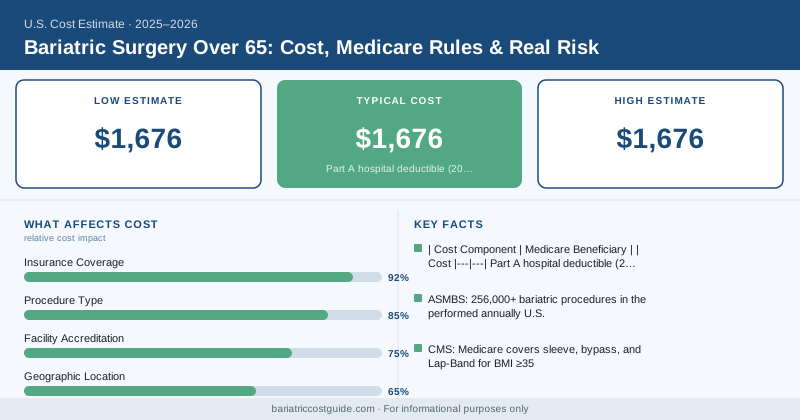
Bariatric Surgery Over 65: Cost, Medicare Rules & Real Risk
{ if eq .Lang "zh" }{ else }{ end }Is 65 too old for bariatric surgery? It’s a fair question — and the honest answer is: age alone rarely disqualifies you, but your workup will look different than it did for your 40-year-old neighbor.
What Medicare Covers After 65
Original Medicare covers bariatric surgery — gastric bypass, gastric sleeve, and adjustable gastric band — for beneficiaries who meet the same medical criteria as anyone else: BMI 35+ with at least one comorbidity, or documented failed attempts at non-surgical treatment. There’s no age exclusion in the policy itself.
| Cost Component | Medicare Beneficiary Cost |
|---|---|
| Part A hospital deductible (2025) | $1,676 per benefit period |
| Part B coinsurance (outpatient services, 20%) | Varies by service |
| Medigap or Medicare Advantage supplement | May cover remaining cost-sharing |
| Without Medicare (self-pay) | $15,000 – $28,000 |
Many Medicare Advantage plans mirror or expand on Original Medicare’s bariatric benefit, but specific network requirements and prior authorization steps vary by plan — see our Medicare bariatric surgery coverage guide for the full breakdown.
The Additional Screening Older Patients Face
| Additional Screening | Estimated Added Cost |
|---|---|
| Cardiac stress test or echocardiogram | $300 – $1,200 |
| Bone density scan (DEXA) | $150 – $400 |
| Extended anesthesia risk consultation | $200 – $600 |
These aren’t bureaucratic hurdles — they reflect genuine physiological differences. Cardiac reserve, bone density, and anesthesia tolerance all shift with age, and surgeons want a clear picture before recommending a major operation.
What the Research Actually Shows
Research published in Surgery for Obesity and Related Diseases has found that patients over 65 do achieve substantial, sustained weight loss and see meaningful improvement in obesity-related comorbidities like type 2 diabetes and hypertension — though studies consistently note a modestly higher rate of post-operative complications compared to younger cohorts, primarily related to cardiovascular and pulmonary risk factors that accumulate with age.
That’s not a reason to rule out surgery. It’s a reason for a more careful pre-op workup — which is exactly what the additional screening accomplishes.
Ask About Enhanced Recovery Protocols
Which Procedure Is Typically Recommended?
Gastric sleeve is often favored for older patients due to its shorter operative time and lower malabsorption risk — a meaningful consideration given that older adults are already more prone to nutritional deficiencies. Gastric bypass remains an option when diabetes remission is a priority, but requires more intensive lifelong nutritional monitoring.
Comparing to Younger Patients
If you’re weighing whether to pursue surgery now versus waiting, review our guide on bariatric surgery outcomes over 60 for a broader look at how age affects both cost and recovery trajectory across the 60+ population generally.
{ if eq .Lang "zh" }Disclaimer: BariatricCostGuide provides cost data for educational purposes only. We are not a medical provider, insurance company, or financial advisor. All costs are estimates based on published data and vary by location, facility, surgeon, insurance plan, and individual health factors. Consult a board-certified bariatric surgeon and your insurance carrier for personalized medical and cost advice.