Bariatric Surgery Over 60: Medicare Coverage, Risk Assessment & Outcomes
{ if eq .Lang "zh" }{ else }{ end }“Am I too old for this?” It’s the question every bariatric surgeon hears from patients in their 60s and 70s — and the answer, backed by a growing body of research, is usually no. Age alone isn’t a contraindication. Frailty is. Uncontrolled cardiac disease is. Poor functional reserve is. But chronological age, by itself, doesn’t disqualify you.
A 2022 study in Surgery for Obesity and Related Diseases (SOARD) found that carefully selected patients over 60 achieved meaningful weight loss and comorbidity improvement comparable to younger cohorts, with modestly elevated but manageable complication rates. The operative mortality risk — when patients are properly screened — remains under 0.3% across all age groups at accredited centers.
Medicare Coverage: The Cost Advantage for Patients 65+
Medicare Part A and Part B cover bariatric surgery at MBSAQIP-accredited centers when patients meet eligibility criteria:
- BMI ≥ 40, or
- BMI ≥ 35 with at least one obesity-related comorbidity (type 2 diabetes, hypertension, hyperlipidemia, sleep apnea, joint disease)
This is actually one of the best coverage situations in bariatric surgery — Medicare doesn’t require a 3–6 month pre-approval diet program the way many commercial insurers do, though the accredited center requirement is firm.
| Medicare Cost Component | 2024 Amount |
|---|---|
| Part A hospital deductible | $1,632 per benefit period |
| Part B annual deductible | $240 |
| Part B co-insurance (after deductible) | 20% of Medicare-approved amount |
| Medicare Advantage plan copay (variable) | $250 – $2,500 |
| Medigap Supplement (Plan G): out-of-pocket after Part A deductible | ~$0 |
| Total cost with Medigap Plan G | $1,632 – $2,000 |
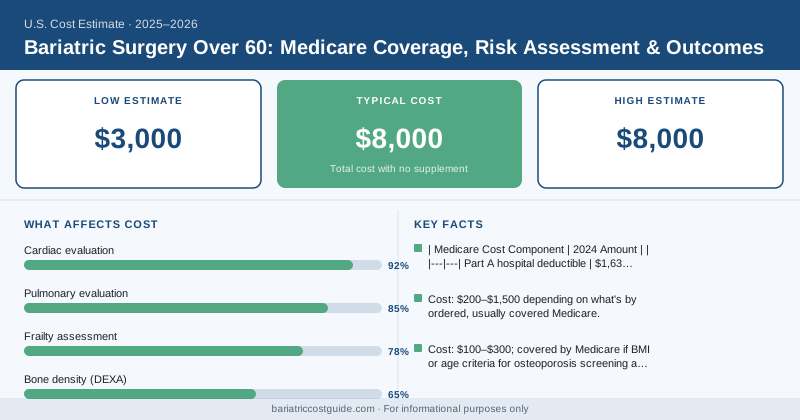
| Total cost with no supplement | $3,000 – $8,000 estimate |
For Medicare patients at accredited centers, the financial case for bariatric surgery is compelling: you pay a deductible and some co-insurance against a procedure that eliminates or reduces the cost of managing diabetes, hypertension, sleep apnea, and joint disease — all of which carry ongoing Medicare-covered costs anyway.
Pre-Surgical Risk Assessment for Older Patients
The additional evaluations older patients typically undergo before bariatric surgery:
Cardiac evaluation: Many programs require cardiology clearance for patients over 60, including EKG and often stress testing if symptoms warrant. Cost: $200–$1,500 depending on what’s ordered, usually covered by Medicare.
Pulmonary evaluation: Pulmonary function testing, especially for patients with COPD or a significant smoking history. Cost: $200–$600.
Frailty assessment: Increasingly standard at programs treating older patients. Uses validated tools (Fried Frailty Index, Clinical Frailty Scale) to assess functional reserve beyond standard vitals and labs. Usually no separate charge — performed by the surgical team.
Bone density (DEXA): Given post-bariatric bone loss risk and age-related baseline risk, many programs order DEXA before surgery. Cost: $100–$300; covered by Medicare if BMI or age criteria for osteoporosis screening are met.
Outcomes Data for Patients Over 60
What does the research actually show?
The ASMBS cites multiple studies demonstrating effective weight loss and comorbidity improvement in patients over 60, with important nuances:
- Weight loss: Slightly less total weight loss on average vs. younger patients, but still clinically significant (typically 50–65% of excess weight at 2 years vs. 65–75% in younger patients)
- Diabetes remission: Comparable to younger patients — one of the strongest outcomes for older adults
- Complication rates: Modestly elevated (approximately 1.5–2x the rate in patients under 60), but still very low at accredited centers in well-selected patients
- Mortality benefit: The risk of dying from obesity-related comorbidities exceeds the surgical risk in most older patients who are otherwise good candidates
The Functional Reserve Question
The most important factor for older bariatric surgical candidates isn’t age — it’s physiological reserve. Key markers your surgical team evaluates:
- Functional status: Can you walk a quarter mile? Climb a flight of stairs without stopping?
- Nutritional status: Are albumin and pre-albumin within normal range?
- Cardiac function: Is ejection fraction ≥ 50%? No unstable angina?
- Pulmonary function: FEV1/FVC acceptable for general anesthesia tolerance?
Patients who are physiologically “younger” than their chronological age — good functional status, no major organ dysfunction — consistently do well. Frail patients with multiple organ system compromise carry much higher risk regardless of age.
Procedure Selection for Older Patients
Gastric sleeve is currently the most commonly recommended procedure for older patients at many centers because:
- Shorter operative time than bypass
- No intestinal rerouting (less nutritional management complexity)
- No anastomosis (connection between bowel segments), reducing certain leak risks
- Lower risk of nutritional deficiencies important for bone and muscle mass preservation
Gastric bypass is still performed in older patients, particularly when type 2 diabetes is the primary driver — bypass has the best diabetes remission data of any procedure.
Total Cost of Care: Older vs. Younger Bariatric Patients
One cost factor favors older patients who are Medicare-eligible: Medicare’s accredited center coverage means they pay far less out of pocket than self-pay patients of any age. The uninsured 45-year-old pays $15,000–$25,000; the Medicare patient at 68 may pay $2,000–$5,000.
Where costs can be higher for older patients:
- Additional pre-surgical evaluations (cardiac, pulmonary): $500–$2,500 more
- Longer hospital stays if complications occur
- Bone density monitoring and possible treatment post-surgery: $200–$800/year
Net of Medicare coverage, most patients 65+ who are appropriate surgical candidates face a significantly lower financial barrier than their younger counterparts.
{ if eq .Lang "zh" }Disclaimer: BariatricCostGuide provides cost data for educational purposes only. We are not a medical provider, insurance company, or financial advisor. All costs are estimates based on published data and vary by location, facility, surgeon, insurance plan, and individual health factors. Consult a board-certified bariatric surgeon and your insurance carrier for personalized medical and cost advice.