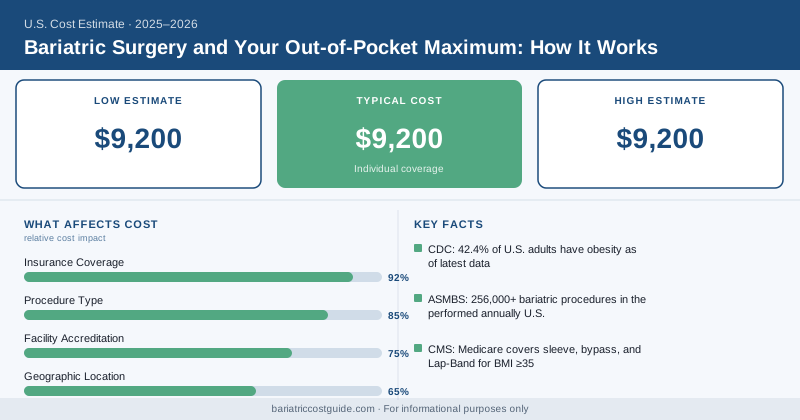
Bariatric Surgery and Your Out-of-Pocket Maximum: How It Works
{ if eq .Lang "zh" }{ else }{ end }Your out-of-pocket maximum is the single most important number in your bariatric surgery cost equation — and most patients never look it up until they’re already deep into the approval process.
What an Out-of-Pocket Maximum Actually Is
It’s the legally mandated ceiling on what you pay in deductibles, copays, and coinsurance combined for in-network covered care within a plan year. Once you hit it, your insurer covers 100% of additional covered costs for the rest of that plan year.
| Plan Type | 2025 ACA-Compliant Maximum |
|---|---|
| Individual coverage | $9,200 |
| Family coverage | $18,400 |
These are federal ceilings — your specific plan may have a lower maximum, but cannot legally exceed these amounts for ACA-compliant plans. Self-funded employer plans (ERISA) and grandfathered plans sometimes have different rules, so always verify your specific plan document.
How Bariatric Surgery Fits Into This
| Scenario | Your Likely Cost |
|---|---|
| You haven’t met any deductible/OOP this year | Deductible + coinsurance up to your OOP max |
| You’ve already met your deductible from other care | Coinsurance percentage only, up to OOP max |
| You’ve already hit your OOP maximum this year | $0 for the covered bariatric surgery costs |
That third scenario is the one savvy patients plan around.
The Strategic Timing Play
If you’ve already had significant medical expenses earlier in the plan year — a hospitalization, an expensive diagnostic workup, another surgery — and you’re close to your out-of-pocket maximum, scheduling your bariatric surgery before the plan year resets can mean it costs you close to nothing. Wait until January, and your deductible and out-of-pocket accumulation restart from zero, potentially costing you thousands more for the exact same procedure.
Call and Ask for Your Year-to-Date Accumulator
What Doesn’t Count Toward Your Out-of-Pocket Max
Not everything you pay counts toward this cap:
- Out-of-network care (unless your plan has no network restrictions)
- Non-covered items, like bariatric vitamins in most plans
- Your monthly insurance premiums themselves
- Services deemed not medically necessary by your insurer
This is exactly why a denied prior authorization for a related service, or an out-of-network anesthesiologist at an in-network hospital (a surprisingly common billing issue), can blow past your expected costs without counting toward your protective cap.
Using This With HSA/FSA Planning
If you’re close to your out-of-pocket maximum, coordinate the timing with your HSA or FSA contributions and elections so you have pre-tax funds available exactly when your out-of-pocket costs are due. Combining smart timing on both fronts — insurance accumulator and tax-advantaged account funding — is how patients minimize the real cost of surgery most effectively.
{ if eq .Lang "zh" }Disclaimer: BariatricCostGuide provides cost data for educational purposes only. We are not a medical provider, insurance company, or financial advisor. All costs are estimates based on published data and vary by location, facility, surgeon, insurance plan, and individual health factors. Consult a board-certified bariatric surgeon and your insurance carrier for personalized medical and cost advice.