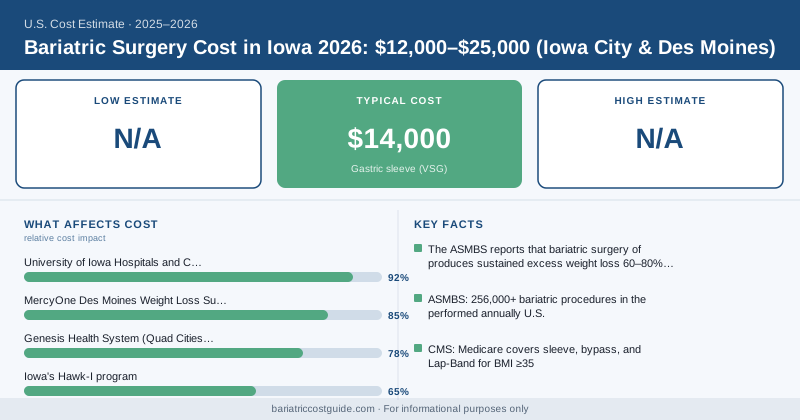
Bariatric Surgery Cost in Iowa 2026: $12,000–$25,000 (Iowa City & Des Moines)
{ if eq .Lang "zh" }{ else }{ end }Most patients asking about Iowa bariatric surgery expect to hear one number. Here’s the realistic range: $12,000 to $25,000 self-pay, depending on the procedure and facility — and Iowa’s prices sit modestly below the national average. What you won’t find in the national cost guides is the rural factor: roughly 40% of Iowans live outside metro areas, and the logistics of getting surgery at a major center in Iowa City or Des Moines add real costs that out-of-state calculators miss.
The ASMBS reports that bariatric surgery produces sustained excess weight loss of 60–80% at five years for gastric bypass and 50–70% for gastric sleeve — data that matters when you’re weighing whether $15,000 out-of-pocket is worth it. Here’s how to understand what Iowa specifically costs and what your options are.
Iowa Bariatric Surgery Costs (2026)
| Procedure | Iowa City (UI Health) | Des Moines Metro | Smaller Iowa Centers | National Average |
|---|---|---|---|---|
| Gastric sleeve (VSG) | $14,000 – $21,000 | $12,000 – $18,000 | $12,000 – $16,000 | $14,000 – $23,000 |
| Gastric bypass (RYGB) | $17,000 – $25,000 | $15,000 – $22,000 | $15,000 – $20,000 | $18,000 – $28,000 |
| Duodenal switch | $22,000 – $32,000 | $20,000 – $29,000 | $19,000 – $27,000 | $22,000 – $35,000 |
| Revision surgery | $20,000 – $33,000 | $18,000 – $30,000 | $17,000 – $29,000 | $20,000 – $35,000 |
The University of Iowa runs higher than Des Moines programs for most procedures — that’s typical of academic medical centers, which carry higher overhead and handle more complex cases. For a straightforward first-time sleeve procedure, a Des Moines or Davenport accredited center will give you equivalent outcomes at lower cost.
Major Bariatric Programs in Iowa
University of Iowa Hospitals and Clinics (Iowa City) UIHC’s Bariatric Surgery Program is the flagship academic program in Iowa. It’s MBSAQIP-accredited and handles high-complexity cases — revision surgeries, adolescent bariatrics, and patients with serious comorbidities that smaller programs decline. The multidisciplinary pre-op evaluation includes endocrinology, cardiology, psychology, and dietitian consultations. Self-pay pricing for sleeve runs approximately $14,000–$21,000 all-inclusive. For Iowa Medicaid patients with complex needs, UIHC is the primary referral center.
MercyOne Des Moines Weight Loss Surgery MercyOne’s program at its Des Moines flagship hospital is MBSAQIP-accredited and one of the higher-volume programs in the state. It’s in-network with most major Iowa commercial insurers (Wellmark Blue Cross, Medica, UnitedHealthcare) and offers competitive self-pay pricing — sleeve at $12,000–$17,000, bypass at $15,000–$22,000. MercyOne has a well-developed patient support structure including group sessions and long-term follow-up, which matters for outcomes.
UnityPoint Health — Iowa Methodist Medical Center (Des Moines) UnityPoint’s Iowa Methodist program is the other major Des Moines option. Pricing is comparable to MercyOne — sleeve at $13,000–$18,000 self-pay. UnityPoint has a broader statewide footprint with affiliate hospitals in Waterloo, Cedar Rapids, and Sioux City, which means follow-up care closer to home is more accessible for rural Iowa patients after surgery at the Des Moines flagship.
Genesis Health System (Quad Cities / Davenport) Genesis Health System serves eastern Iowa and the Quad Cities region and operates an accredited bariatric program at Genesis Medical Center East in Davenport. Pricing is among the most competitive in Iowa — sleeve runs $12,000–$16,000 self-pay. For patients in eastern Iowa near the Illinois border, Genesis is a strong local option that avoids the Iowa City drive.
Planning for Rural Iowa Travel Costs
Iowa Medicaid Coverage
Iowa Medicaid (administered through the Iowa Health and Wellness Plan and managed care organizations) covers bariatric surgery for qualifying adult members. The standard eligibility criteria apply:
- BMI ≥ 40 (Class III obesity), or
- BMI ≥ 35 with at least one documented serious comorbidity (type 2 diabetes, severe sleep apnea, hypertension, hyperlipidemia)
- Documentation of prior medically supervised weight loss attempts
- Psychological clearance evaluation
- Nutritional counseling
Iowa Medicaid is managed by AmeriHealth Caritas Iowa and Molina Healthcare. Each plan may have additional requirements, and contracted bariatric provider lists vary. Call your plan’s member services before scheduling a consultation — not every Iowa bariatric program accepts Medicaid.
Iowa’s Hawk-I program (the Children’s Health Insurance Program) does not routinely cover bariatric surgery for minors. Adolescent bariatric cases are handled case-by-case and typically require university-level evaluation at UIHC.
Commercial Insurance in Iowa
Wellmark Blue Cross and Blue Shield is the dominant insurer in Iowa, covering a large share of employer-sponsored plans. Wellmark covers bariatric surgery with standard medical necessity documentation — BMI criteria, supervised diet, psychological eval, and prior authorization. Medica and UnitedHealthcare are the other significant commercial players, with similar coverage policies.
Iowa’s large agricultural employer base and major employers like Principal Financial, Deere & Company (headquartered across the border in the Quad Cities), and state government agencies generally include bariatric benefits in their employee health plans. Check your plan’s Summary of Benefits and Coverage document for the specific language before assuming you’re covered.
Self-Pay Financing in Iowa
Iowa’s pricing makes self-pay financing relatively accessible. A $14,000 gastric sleeve financed over 48 months through CareCredit runs approximately $290–$330/month at standard promotional rates. MercyOne Des Moines and UnityPoint Iowa Methodist both have established financing partnerships — ask the bariatric coordinator for their preferred lenders.
For patients who qualify, Iowa hospitals also participate in financial hardship assistance programs. If you’re above the Medicaid income threshold but genuinely can’t afford self-pay rates, ask the hospital financial counselor about charity care eligibility before ruling out the larger academic programs.
Bottom Line
Iowa’s bariatric surgery prices are modestly below national averages — $12,000–$25,000 depending on procedure and facility. University of Iowa handles complex cases; MercyOne and UnityPoint in Des Moines offer strong accredited programs at competitive self-pay pricing. If you’re in eastern Iowa, Genesis Davenport is the most accessible and affordable option. Rural patients need to build travel costs into their total budget — but UnityPoint’s statewide network helps keep follow-up closer to home. Iowa Medicaid covers surgery for qualified members through MercyOne and UIHC as primary access points.
{ if eq .Lang "zh" }Disclaimer: BariatricCostGuide provides cost data for educational purposes only. We are not a medical provider, insurance company, or financial advisor. All costs are estimates based on published data and vary by location, facility, surgeon, insurance plan, and individual health factors. Consult a board-certified bariatric surgeon and your insurance carrier for personalized medical and cost advice.