Bariatric Surgery Cost in Indiana: Indianapolis, Fort Wayne & South Bend (2026)
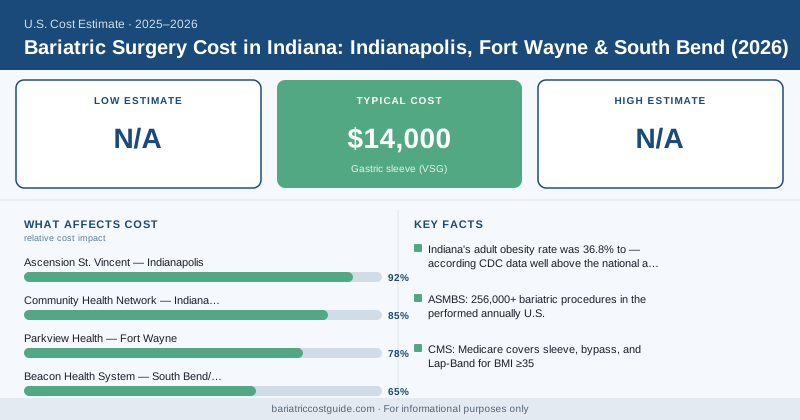
{ if eq .Lang "zh" }{ else }{ end }Indiana’s adult obesity rate was 36.8% according to CDC data — well above the national average and one of the higher rates in the Midwest. The practical effect: Indiana has built real bariatric surgical capacity to match that demand, which is part of why prices here are more affordable than neighboring states like Michigan or Illinois. Indianapolis, in particular, has a competitive multi-system market that keeps self-pay rates at or below national averages.
If you’re paying out of pocket or shopping for the best in-network option, Indiana is a legitimately good state to have surgery in. Fort Wayne and South Bend have solid regional programs that don’t require a trip to Indy.
Indiana Bariatric Surgery Prices (2026)
| Procedure | Indianapolis | Fort Wayne | National Average |
|---|---|---|---|
| Gastric sleeve (VSG) | $14,500 – $21,000 | $15,000 – $22,000 | $14,000 – $23,000 |
| Gastric bypass (Roux-en-Y) | $18,000 – $26,000 | $19,000 – $27,000 | $18,000 – $28,000 |
| Duodenal switch | $23,000 – $33,000 | $24,000 – $34,000 | $22,000 – $35,000 |
| Mini gastric bypass | $17,000 – $24,000 | $17,500 – $25,000 | $17,000 – $25,000 |
| Revision surgery | $21,000 – $34,000 | $22,000 – $35,000 | $20,000 – $35,000 |
Indianapolis self-pay prices for gastric sleeve are right at the national average or slightly below — a reflection of market competition among five major health systems in the metro. Fort Wayne runs marginally higher but is comparable to smaller-metro pricing patterns nationally.
Indiana's Seasons and Surgery Timing
Major Bariatric Programs in Indiana
IU Health (Indiana University Health) — Indianapolis and statewide IU Health is Indiana’s largest health system and the academic flagship for bariatric surgery in the state. Its Bariatric & Medical Weight Loss program, centered at IU Health Methodist Hospital and IU Health North Hospital in Carmel, is MBSAQIP-accredited. IU Health handles the full procedure spectrum including revisions, and its academic affiliation with Indiana University School of Medicine means it takes on complex cases other programs in the state refer out. Self-pay sleeve pricing at IU Health runs approximately $16,000–$22,000. For commercially insured patients, IU Health is broadly in-network with Indiana employers — it’s the default referral target for many primary care physicians statewide.
Ascension St. Vincent — Indianapolis Ascension St. Vincent Hospital is one of Indianapolis’s major bariatric surgery providers with an MBSAQIP-accredited program. It’s part of the national Ascension Catholic health system, which gives it strong insurer contracting relationships. St. Vincent is particularly well-positioned for patients with Anthem coverage (Anthem BCBS Indiana is the dominant commercial insurer in the state). Self-pay sleeve at St. Vincent typically runs $15,000–$22,000.
Community Health Network — Indianapolis Community Health Network (Community) operates bariatric surgery at Community Hospital North and Community Hospital East. It’s the most suburban of the major Indianapolis systems — well-suited for patients on the northeast and east sides of the metro. Community is MBSAQIP-accredited and prices are competitive: $14,500–$21,000 for sleeve self-pay. Community’s bariatric program has been consistently one of the higher-volume programs in the Indianapolis metro.
Parkview Health — Fort Wayne Parkview is northeast Indiana’s dominant health system and the primary bariatric surgery provider for Fort Wayne, Huntington, and the surrounding region. Parkview’s Weight Management program at Parkview Regional Medical Center is MBSAQIP-accredited. For patients in Fort Wayne, there’s genuinely no reason to drive three hours to Indianapolis — Parkview’s program is full-service and highly rated. Self-pay sleeve at Parkview runs $15,000–$22,000.
Beacon Health System — South Bend/Mishawaka For northern Indiana patients, Beacon Health System at Memorial Hospital of South Bend is the main bariatric surgery option. Beacon’s program is smaller-volume than Indianapolis or Fort Wayne options but MBSAQIP-accredited and appropriate for primary procedures. Patients with complex cases or revision needs are typically referred to IU Health or Parkview.
Healthy Indiana Plan (HIP 2.0) Coverage
Indiana’s Medicaid expansion program is called the Healthy Indiana Plan, or HIP 2.0. It covers bariatric surgery for eligible members who meet standard medical necessity criteria:
- BMI ≥ 40 (Class III obesity), or
- BMI ≥ 35 with at least one qualifying comorbidity (type 2 diabetes, severe hypertension, sleep apnea, hyperlipidemia, heart disease, or osteoarthritis)
- Documented medically supervised weight loss attempts (typically 3–6 months)
- Psychological/behavioral health clearance
- Pre-authorization required before scheduling
HIP 2.0 is administered through managed care organizations: Anthem (HealthKeepers Plus), MDwise, and UnitedHealthcare Community Plan. Each MCO manages its own prior authorization process, and criteria nuances can vary slightly. The full insurance coverage guide walks through the general prior auth process step by step.
Traditional Indiana Medicaid (for those who don’t qualify under HIP 2.0) also covers bariatric surgery with similar criteria. Coverage type — HIP 2.0 vs. traditional Medicaid — affects which hospitals are contracted, so confirm your specific MCO’s network before scheduling.
Not all Indiana hospitals are contracted for bariatric surgery under all HIP 2.0 plans. IU Health Methodist and Community Health Network are widely accepted; call your specific MCO’s member services line to confirm the participating program list in your area.
Commercial Insurance in Indiana
Indiana’s commercial insurance market is dominated by Anthem BCBS Indiana, which holds the largest market share of any insurer in the state. UnitedHealthcare, Cigna, and Humana also have significant Indiana presence, especially in employer-sponsored plans.
Anthem BCBS Indiana: Covers gastric sleeve, gastric bypass, and duodenal switch with standard criteria. Anthem typically requires 6 months of medically supervised diet documentation and behavioral health evaluation. Some Anthem employer plans require use of a designated bariatric Center of Excellence — confirm your specific plan’s requirements before choosing a program.
UnitedHealthcare: Covers bariatric surgery with BMI criteria and often requires procedures at a UHC-designated Center of Excellence. IU Health is typically a UHC-designated program in Indiana.
Humana: Prominent in central Indiana, particularly for Medicare Advantage plans. Humana covers bariatric surgery for qualifying patients under most commercial and Medicare Advantage plans — check whether your specific plan includes bariatric benefits, as some employer-sponsored Humana plans exclude them.
Self-Pay Tips for Indiana
Indiana is a genuinely affordable market for self-pay bariatric surgery, and the competition between major Indianapolis systems creates real leverage for patients.
Get quotes from at least three Indianapolis programs. Community Health Network, Ascension St. Vincent, and IU Health all compete for self-pay patients in Indianapolis. Quotes can vary $3,000–$5,000 for the same procedure — and hospitals will often discount further if you mention you’re comparing options.
Ask about bundled pricing. Some Indiana programs offer all-inclusive self-pay packages covering surgeon fee, facility, anesthesia, and a defined follow-up period. These packages eliminate billing surprises and are often 10–15% cheaper than itemized component pricing.
Fort Wayne and South Bend are genuinely price-competitive. Patients in northern Indiana shouldn’t assume Indianapolis is cheaper. Parkview in Fort Wayne and Beacon in South Bend both offer competitive self-pay rates and the convenience of staying local.
Bariatric surgery financing through CareCredit, Prosper Healthcare Lending, or a personal medical loan makes Indiana’s already-affordable prices accessible without a large upfront payment.
Bottom Line
Indiana offers some of the most affordable bariatric surgery pricing in the Midwest. Indianapolis’s multi-system competition keeps prices at or below national averages — IU Health for academic-quality or complex cases, Community Health and Ascension St. Vincent for competitive mid-tier options. Parkview in Fort Wayne and Beacon in South Bend serve northern Indiana well without requiring a trip to Indianapolis. HIP 2.0 (Healthy Indiana Plan) provides Medicaid coverage for qualifying patients. If you’re self-pay, Indiana is one of the better value markets in the country.
{ if eq .Lang "zh" }Disclaimer: BariatricCostGuide provides cost data for educational purposes only. We are not a medical provider, insurance company, or financial advisor. All costs are estimates based on published data and vary by location, facility, surgeon, insurance plan, and individual health factors. Consult a board-certified bariatric surgeon and your insurance carrier for personalized medical and cost advice.