Bariatric Surgery for Hypertension: Medication Costs vs. Surgery Cost
{ if eq .Lang "zh" }{ else }{ end }High blood pressure medications are inexpensive individually — most generics run $10–$30 per month. But most patients with obesity-related hypertension aren’t on one medication. They’re on two, three, or more. Add lab monitoring, cardiology visits, and the management of downstream complications, and the annual cost adds up fast.
That context matters when you’re weighing bariatric surgery against a lifetime of blood pressure management.
The Annual Cost of Hypertension Management
| Expense | Annual Cost Estimate |
|---|---|
| Blood pressure medication (1–2 drugs, generics) | $240 – $720 |
| Blood pressure medication (2–4 drugs, mix of brand/generic) | $1,200 – $4,800 |
| Annual blood pressure monitoring visits | $200 – $600 |
| Lab work (metabolic panel, kidney function checks) | $150 – $400 |
| Cardiologist visits if needed | $300 – $800 |
| Estimated total annual (well-controlled HTN) | $800 – $2,000 |
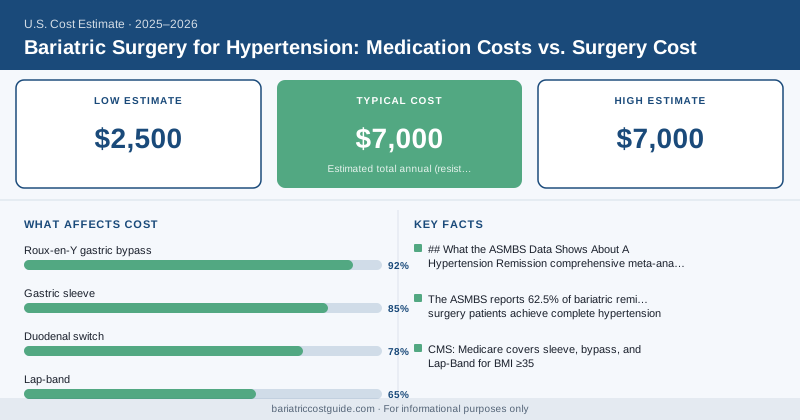
| Estimated total annual (resistant/complex HTN) | $2,500 – $7,000+ |
These estimates assume reasonable insurance coverage. Patients without insurance, or with high-deductible plans paying full price for brand-name antihypertensives, can spend significantly more.
What the ASMBS Data Shows About Hypertension Remission
A comprehensive meta-analysis published by the ASMBS found that 62.5% of bariatric surgery patients achieve complete hypertension remission — meaning they stop all blood pressure medications entirely — following surgery. An additional 17% see significant improvement, reducing the number or dose of medications needed.
Remission rates vary by procedure:
- Roux-en-Y gastric bypass: 75% remission
- Gastric sleeve: 55–65% remission
- Duodenal switch: 80%+ remission
- Lap-band: 45–50% improvement
The mechanism isn’t just weight loss. Bypass procedures in particular have metabolic effects — changes in gut hormones, improved insulin sensitivity, reduced sodium retention — that lower blood pressure faster than weight loss alone would explain.
The 10-Year Financial Comparison
| Scenario | Surgery/Meds Year 1 | Annual Ongoing Cost | 10-Year Total |
|---|---|---|---|
| Medication only (HTN controlled, generic drugs) | $1,000 – $2,500 | $1,000 – $2,500 | $10,000 – $25,000 |
| Surgery with insurance ($4k–$7k OOP) + HTN resolves | $5,000 – $9,000 | $200 – $500 | $7,000 – $14,000 |
| Surgery with insurance + HTN improved (reduced meds) | $5,000 – $9,000 | $400 – $1,000 | $9,000 – $19,000 |
| Surgery self-pay ($14k–$20k) + HTN resolves | $14,000 – $22,000 | $200 – $500 | $16,000 – $27,000 |
Patients with insurance who achieve hypertension remission after bariatric surgery frequently break even on the surgery investment within 4–6 years through medication savings alone — before counting any savings from diabetes management, sleep apnea, or reduced cardiovascular risk.
Hypertension as a Qualifying Comorbidity for Surgery
Under NIH criteria — the standard most insurers follow — hypertension qualifies as a comorbidity that lowers the BMI threshold for bariatric surgery coverage:
- BMI ≥ 40: Qualifies regardless of comorbidities
- BMI 35–39.9 with hypertension: Qualifies for coverage
- Some plans extend coverage to BMI 30–34.9 if multiple comorbidities including hypertension are present
If you have a BMI of 36 and well-documented hypertension (on medication, documented in your medical record), you likely meet the medical criteria for insurance approval at most major carriers.
Documenting HTN for Bariatric Surgery Prior Authorization
Strong hypertension documentation for insurance approval includes:
- Diagnosis in your medical record with ICD-10 code (I10)
- Current medication list showing antihypertensive agents
- Recent blood pressure readings (ideally showing ongoing need for medication)
- Primary care physician’s note explaining how obesity contributes to your HTN
- History of adjusting medications as weight has changed (supports obesity causation)
The more clearly the record links your hypertension to your obesity, the stronger your prior authorization case.
What Happens to Blood Pressure Medications After Surgery
Don’t stop your blood pressure medications the week after surgery expecting them to be unnecessary yet. Hypertension remission typically occurs as weight loss progresses over 3–18 months post-op.
Your primary care physician or cardiologist should be monitoring your blood pressure closely during this period and adjusting or tapering medications as readings improve. Stopping too quickly can cause rebound hypertension; continuing longer than needed exposes you to hypotension risks as weight drops.
Some patients see dramatic improvement within weeks — particularly after bypass — due to the metabolic effects of the procedure independent of weight loss. Your medications may need to be reduced before you’ve lost significant weight.
The Bottom Line
Hypertension medications cost $1,000–$7,000+ per year depending on how many drugs you’re taking and your insurance coverage. The ASMBS reports 62.5% of bariatric surgery patients achieve complete hypertension remission after surgery. For patients with insurance who achieve remission, surgery typically pays for itself within 4–6 years through medication savings. Hypertension also qualifies as a BMI 35–39.9 comorbidity under most insurance coverage criteria.
{ if eq .Lang "zh" }Disclaimer: BariatricCostGuide provides cost data for educational purposes only. We are not a medical provider, insurance company, or financial advisor. All costs are estimates based on published data and vary by location, facility, surgeon, insurance plan, and individual health factors. Consult a board-certified bariatric surgeon and your insurance carrier for personalized medical and cost advice.