Hair Loss After Bariatric Surgery: Treatment Cost
{ if eq .Lang "zh" }{ else }{ end }Three months after surgery, you’re hitting your weight goals and feeling good — then you notice hair collecting in the shower drain. A lot of it. More the next week. And the week after that.
Hair loss after bariatric surgery catches a lot of patients off guard despite being one of the most common post-operative side effects. ASMBS data indicates that 50–70% of patients experience noticeable hair loss in the months following weight loss surgery. It’s normal, it’s temporary for the vast majority of patients, and it’s one of the most treatable complications in post-bariatric care — but it does cost money to address, and it helps to know what actually works versus what’s just expensive noise.
What’s Actually Happening: Telogen Effluvium
This isn’t the same as the hair loss pattern from male-pattern baldness or autoimmune alopecia. What bariatric patients experience is telogen effluvium — a stress-triggered shift in the hair growth cycle.
Under normal conditions, about 85–90% of your hair follicles are in the active growth phase (anagen) and only 10–15% are in the resting/shedding phase (telogen). Major physiological stress — surgery, rapid weight loss, significant caloric restriction, and micronutrient depletion — causes a large percentage of follicles to simultaneously enter the telogen phase. Roughly 2–4 months later, that hair sheds.
The typical timeline: shedding peaks at 3–6 months post-surgery, then gradually resolves. By 12–18 months, most patients have regained their baseline hair density. This recovery timeline is well-established in the post-bariatric literature, and it’s an important frame for understanding treatment costs — you’re often spending money to support a process that will largely resolve on its own.
The Nutritional Foundation: What Deficiencies Drive It
CDC data shows that nutrient deficiencies are common in post-bariatric patients, with iron deficiency affecting up to 50% of patients in the first year after surgery. Protein, zinc, biotin, and iron are all implicated in hair cycle regulation, and deficiency in any of them can worsen or prolong telogen effluvium.
Your most cost-effective intervention is getting labs drawn to identify what’s actually deficient — then targeting those gaps specifically, rather than buying every supplement in the hair-loss section of the pharmacy.
| Lab Panel | Estimated Cost (Self-Pay) |
|---|---|
| Comprehensive post-bariatric labs (iron, ferritin, zinc, B12, protein) | $80 – $250 |
| With insurance (standard post-bariatric follow-up) | Usually covered |
| Dermatology consultation | $150 – $350 |
Most bariatric programs include these labs as part of standard follow-up visits at 3, 6, and 12 months. If you’re in a program that includes follow-up care, you may already have this covered.
Supplements: What They Cost and What the Evidence Says
Supplement spending is where many patients overpay. Let’s be direct about what the evidence supports.
| Supplement | Monthly Cost | Evidence Level |
|---|---|---|
| Biotin (5,000–10,000 mcg/day) | $10 – $30 | Limited; helps only if deficient |
| Zinc (25–40 mg/day) | $8 – $20 | Moderate; effective if deficient |
| Iron + ferritin-targeted supplementation | $15 – $40 | Strong for iron-deficient patients |
| High-protein powder (to hit 60–80g/day protein goal) | $40 – $80 | Strong; protein is the most critical factor |
| Collagen peptides | $30 – $60 | Weak; limited evidence for hair regrowth |
| Comprehensive bariatric multivitamin | $30 – $60 | Important baseline for all patients |
The honest answer on biotin: it’s widely marketed for post-bariatric hair loss, but clinical evidence only supports supplementation when there’s a confirmed biotin deficiency — which is actually uncommon. Where biotin does matter is in interpreting lab results — high-dose biotin supplementation interferes with thyroid and troponin assays, so you should disclose biotin use to any lab that’s testing your thyroid levels.
Protein is the most consistently evidence-backed nutritional intervention. If you’re not hitting 60–80g of protein daily, that’s where to focus first. A high-quality protein powder at $40–$80/month delivers more benefit per dollar than any specialty hair supplement.
Topical and Prescription Treatments
For patients whose shedding is prolonged past 12 months, or who want to accelerate regrowth, topical treatments are the next tier.
| Treatment | Monthly Cost |
|---|---|
| Minoxidil 5% (generic Rogaine, OTC) | $25 – $50 |
| Prescription minoxidil foam or oral formulation | $80 – $250 |
| Ketoconazole shampoo (anti-inflammatory adjunct) | $15 – $35 |
Minoxidil is FDA-approved for hair loss and is the most evidence-backed topical option. It works by extending the anagen (growth) phase of the hair cycle. It won’t replace the nutritional foundation of treatment, but for patients with persistent shedding or slow regrowth at 12+ months, it’s a reasonable addition.
Generic topical minoxidil is available OTC for around $25–$50/month and doesn’t require a prescription. Oral minoxidil (low-dose 0.625–2.5 mg/day for women) is increasingly prescribed by dermatologists for diffuse hair loss and runs $80–$250/month, though some insurance plans cover it.
When to See a Dermatologist
PRP Injections: The Premium Option
Platelet-rich plasma (PRP) therapy involves drawing your blood, centrifuging it to concentrate growth factors, and injecting the plasma into the scalp. It’s popular in dermatology practices and has growing clinical evidence for androgenetic alopecia and some cases of telogen effluvium.
PRP isn’t typically the first recommendation for post-bariatric hair loss because most cases resolve without it — but for patients with prolonged or severe shedding, it’s an option.
| PRP Treatment | Estimated Cost |
|---|---|
| Single PRP session | $500 – $1,500 |
| Initial treatment series (3–6 sessions) | $1,500 – $6,000 |
| Maintenance sessions (every 6–12 months) | $500 – $1,500 each |
| Insurance coverage | Rarely covered (considered cosmetic) |
PRP is almost universally classified as cosmetic by insurers and won’t be covered. It’s a meaningful out-of-pocket investment, and results vary. If you’re considering it, look for a board-certified dermatologist with specific experience in post-bariatric or nutritional-deficiency-related hair loss — context matters for treatment protocol.
Building a Realistic Budget
For most patients, the hair loss resolves within 12–18 months with nutritional optimization alone. Here’s what a tiered approach actually costs:
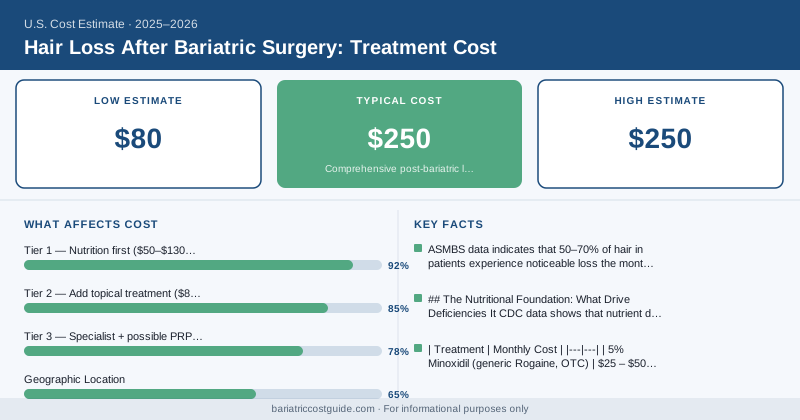
Tier 1 — Nutrition first ($50–$130/month): Iron/zinc supplementation based on labs + quality protein powder + bariatric multivitamin. This is where everyone should start, and it’s where most patients see the most improvement.
Tier 2 — Add topical treatment ($80–$180/month): Tier 1 + minoxidil (OTC or prescription). Appropriate for patients at 6–12 months with ongoing significant shedding.
Tier 3 — Specialist + possible PRP ($500–$1,500+ one-time): Dermatologist evaluation + PRP series for patients with persistent loss beyond 12 months or unusual shedding patterns.
The vast majority of patients need only Tier 1. The good news about post-bariatric telogen effluvium is that the prognosis is genuinely good — you’re not fighting a permanent condition, you’re supporting your body through a temporary disruption while your nutrition stabilizes.
Disclaimer: BariatricCostGuide provides cost data for educational purposes only. We are not a medical provider, insurance company, or financial advisor. All costs are estimates based on published data and vary by location, facility, surgeon, insurance plan, and individual health factors. Consult a board-certified bariatric surgeon and your insurance carrier for personalized medical and cost advice.