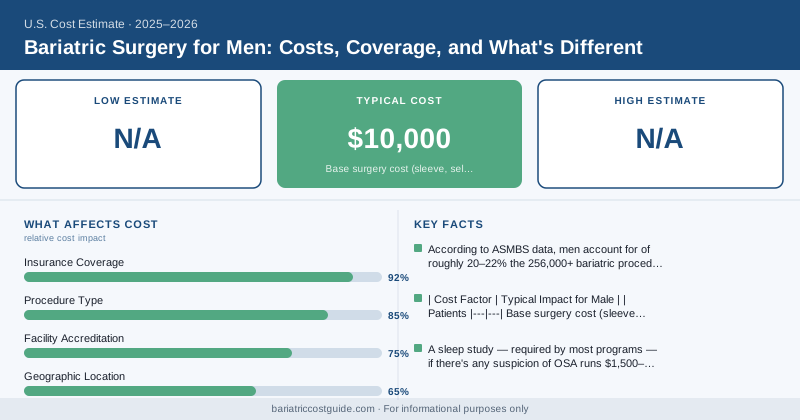
Bariatric Surgery for Men: Costs, Coverage, and What's Different
{ if eq .Lang "zh" }{ else }{ end }Men make up only about 20% of bariatric surgery patients in the United States — despite having obesity rates that are nearly identical to women. Most men who need surgery present later, weigh more, and have more advanced comorbidities by the time they finally schedule a consultation. The good news: they also tend to lose more weight faster. Here’s what male patients specifically need to know about costs, insurance, and outcomes.
According to ASMBS data, men account for roughly 20–22% of the 256,000+ bariatric procedures performed annually in the U.S. That underrepresentation is a cultural and healthcare access issue, not a medical one. Men are as good (or better) surgical candidates as women when they do present for surgery.
The Cost Is the Same — But the Journey to Getting There May Not Be
The base cost of gastric bypass or sleeve gastrectomy is the same regardless of sex — your surgeon isn’t charging differently based on gender. But several factors specific to male patients can affect your total cost and insurance path.
| Cost Factor | Typical Impact for Male Patients |
|---|---|
| Base surgery cost (sleeve, self-pay) | $10,000 – $23,000 |
| Base surgery cost (bypass, self-pay) | $15,000 – $35,000 |
| Pre-op supervised diet (6 months) | $600 – $1,800 |
| Psychological evaluation | $300 – $800 |
| Sleep study (higher OSA rates in men) | $1,500 – $3,500 |
| Cardiac clearance (higher CV risk) | $500 – $1,500 |
| Out-of-pocket with insurance | $2,500 – $8,000 |
Why Men Have More Pre-Op Testing
Men presenting for bariatric surgery tend to have higher rates of obstructive sleep apnea (OSA), cardiovascular disease, and hypertension compared to female patients at the same BMI. That means your pre-op workup may cost more.
A sleep study — required by most programs if there’s any suspicion of OSA — runs $1,500–$3,500 for an attended overnight polysomnography. Many male patients who’ve never been diagnosed with sleep apnea fail this test and need to start CPAP before getting surgical clearance. That adds 1–3 months and $500–$800 in CPAP equipment costs to your timeline.
Cardiac clearance is more frequently required for male patients, particularly those over 45 or with multiple cardiovascular risk factors. A basic cardiac clearance (EKG + stress test + cardiology consult) adds $500–$1,500 to your pre-op workup.
Get the Sleep Study Done Early
Insurance Pre-Authorization for Men: What’s Different
Insurance pre-authorization requirements are the same regardless of gender. What differs is that male patients are more likely to present with higher BMI at the time of referral, which can actually strengthen the insurance case. Policies that require BMI ≥ 40, or ≥ 35 with comorbidities, are more easily met when a patient’s BMI is 48 with diabetes, hypertension, and sleep apnea.
The primary documentation challenge for male patients is the 6-month supervised diet requirement that most commercial insurers impose. Many men find this barrier frustrating — they’ve tried to lose weight on their own repeatedly and are ready for surgery now. But documentation of supervised dietary attempts is almost always required.
What “supervised diet” means for insurance purposes:
- Monthly visits with a physician, nurse practitioner, or registered dietitian
- Body weight documented at each visit
- Notes from your provider confirming dietary counseling was provided
- Must typically be within the 24 months before surgery authorization
The good news: you can start accumulating these visits the moment you decide surgery is your path. Don’t wait for an official “pre-bariatric program” enrollment if your PCP is willing to document monthly weight management visits now.
Male-Specific Outcomes: What the Data Shows
Men tend to lose more total weight after bariatric surgery than women, but the difference is partly explained by starting weight and body composition. A 2022 meta-analysis in Obesity Surgery found:
- Men lose an average of 68–78% of excess weight at 12–18 months vs. 60–70% for women
- Men have higher rates of complete diabetes remission (metabolic response correlates with larger absolute weight loss)
- Men are less likely to seek revision surgery (lower revision rates at 5 years in most studies)
- Men are more likely to experience alcohol use disorder after surgery — a critical risk factor discussed in the alcohol risk article
Body Contouring After Major Weight Loss in Men
Men who undergo significant weight loss are less likely than women to seek body contouring surgery — but the need is the same. Excess skin on the abdomen, chest (gynecomastia or skin excess), and upper arms is common after 80–150 lb weight loss.
Male-specific procedures and typical costs:
- Male abdominoplasty: $10,000–$20,000 all-in
- Gynecomastia correction (excess glandular tissue + skin): $5,000–$10,000 all-in (sometimes covered by insurance if glandular component documented)
- Male arm lift: $7,000–$12,000 all-in
- Male chest contouring: $5,000–$9,000 all-in
Some men qualify for insurance coverage of gynecomastia surgery post-weight loss when the surgeon documents glandular tissue rather than purely fatty excess. It’s worth the imaging and pathology evaluation.
The Testosterone Question
Obesity is associated with lower testosterone levels in men. After bariatric surgery, most men see testosterone levels increase — often substantially — as body fat decreases. This is a quality-of-life benefit most male patients don’t know to expect.
However, if you’re currently on testosterone replacement therapy (TRT), discuss with your bariatric team whether to continue, reduce, or pause it perioperatively. TRT increases clotting risk, which is already elevated in the post-surgical period.
Bottom Line for Male Patients
The cost of bariatric surgery for men is the same as for anyone else — $10,000–$35,000 depending on procedure and insurance coverage. What differs is the pre-op path: expect additional testing for sleep apnea and cardiovascular risk, a 6-month documented diet requirement, and potentially a longer timeline to authorization. The results, when they come, tend to be strong — but they require the same lifelong commitment to follow-up and nutrition that every bariatric patient needs.
{ if eq .Lang "zh" }Disclaimer: BariatricCostGuide provides cost data for educational purposes only. We are not a medical provider, insurance company, or financial advisor. All costs are estimates based on published data and vary by location, facility, surgeon, insurance plan, and individual health factors. Consult a board-certified bariatric surgeon and your insurance carrier for personalized medical and cost advice.