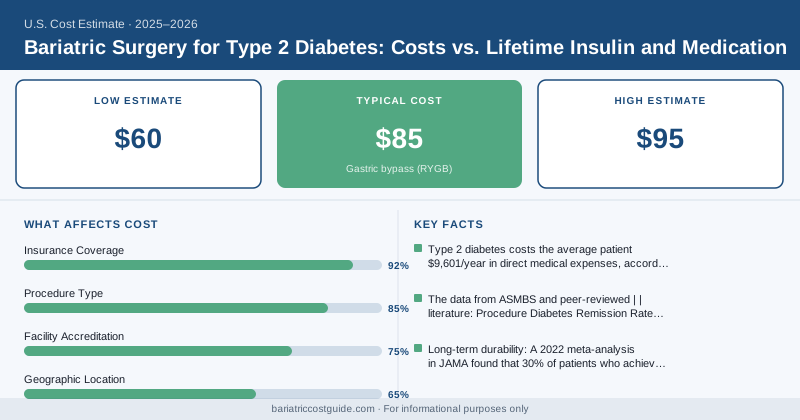
Bariatric Surgery for Type 2 Diabetes: Costs vs. Lifetime Insulin and Medication
{ if eq .Lang "zh" }{ else }{ end }Type 2 diabetes costs the average patient $9,601/year in direct medical expenses, according to the American Diabetes Association’s 2022 economic cost report. Bariatric surgery achieves complete diabetes remission — no medications, normal blood sugar — in 60–80% of bypass patients. Do the math.
Over 10 years, a diabetic patient spending $9,600/year in diabetes-related costs spends $96,000. A gastric bypass costs $15,000–$35,000. Even at the high end, surgery pays for itself in 5 years if it achieves remission. And ASMBS data shows it does, in most patients.
Diabetes Remission Rates by Procedure
Not all bariatric procedures are equally effective for diabetes. The data from ASMBS and peer-reviewed literature:
| Procedure | Diabetes Remission Rate | Improvement Rate | Time to Remission |
|---|---|---|---|
| Gastric bypass (RYGB) | 60–80% | 85–95% | Often within days of surgery |
| Duodenal switch / SADI-S | 70–85% | 90–98% | Within days to weeks |
| Gastric sleeve | 45–65% | 75–90% | Weeks to months |
| Gastric balloon | 20–35% | 40–60% | Months (temporary) |
“Remission” means normal fasting glucose and HbA1c without diabetes medication. “Improvement” means significantly reduced medication requirements or better glycemic control.
Why Bypass Works So Fast for Diabetes
The most surprising aspect of bariatric surgery for diabetes is the timeline. Many bypass patients see normal blood sugar within days of surgery — before significant weight loss has occurred. This suggests the metabolic improvement isn’t just from weight loss.
Research published in NEJM and JAMA has documented that the intestinal bypass created by RYGB changes gut hormone secretion — particularly GLP-1 (glucagon-like peptide 1, the same hormone pathway that Ozempic mimics). This hormonal change directly improves insulin sensitivity independent of weight loss, which is why remission can occur so quickly.
This also explains why bypass works better for diabetes than sleeve — sleeve doesn’t create the intestinal bypass that drives the gut hormone change.
The Financial Case for Surgery in Diabetic Patients
Here’s the 10-year diabetes treatment cost comparison for a typical T2D patient:
| Treatment Approach | Year 1 Cost | 10-Year Total | 20-Year Total |
|---|---|---|---|
| Medication management (no surgery) | $8,000 – $15,000 | $80,000 – $150,000 | $160,000 – $300,000 |
| GLP-1 medication (Ozempic/Wegovy) | $12,000 – $20,000 | $120,000 – $200,000 | $240,000+ |
| Bariatric surgery + post-op costs | $15,000 – $35,000 | $20,000 – $50,000 | $25,000 – $55,000 |
Medication management includes insulin, metformin, other oral agents, monitoring supplies, and diabetes-related medical visits.
Even at the upper end of surgical costs, the 10-year total of $50,000 compares favorably to $80,000–$200,000 for indefinite medication management. Surgery’s financial break-even for diabetic patients is typically 5–7 years — less if diabetes medication costs are high or if complications of uncontrolled diabetes are avoided.
Insurance Is More Likely to Approve Surgery for Diabetic Patients
Type 2 diabetes with BMI ≥ 35 is the single strongest case for bariatric surgery insurance approval. The NIH criteria list it explicitly, the clinical evidence is overwhelming, and insurers increasingly recognize surgery’s cost-effectiveness for this specific population.
Your prior authorization application should include:
- Current HbA1c and history of HbA1c values
- Years since diabetes diagnosis
- Complete list of medications tried, doses, and results
- Documentation of any diabetes complications (neuropathy, nephropathy, retinopathy)
- Your physician’s statement that surgery represents the best chance of remission
A well-documented case for a diabetic patient with BMI ≥ 35 is one of the strongest approval scenarios in bariatric medicine.
What Happens If Diabetes Doesn’t Go Into Remission?
Not all patients achieve full remission. About 20–40% of bypass patients achieve “improvement” rather than complete remission — meaning significantly better blood sugar control on fewer medications, but not complete normalization.
Even partial remission has significant financial value: reducing insulin from 40 units/day to 10 units/day saves $1,500–$3,000/year. Eliminating one of three oral agents saves another $500–$2,000/year.
Long-term durability: A 2022 meta-analysis in JAMA found that 30% of patients who achieved initial remission after bypass had relapse of diabetes at 5 years. Relapse rates are lower for patients with shorter diabetes duration (<5 years), better pre-operative glycemic control, and higher post-surgical weight loss.
Diabetes Remission and Insurance Premium Impact
Some employers and insurance plans reduce premiums or deductibles for members who achieve specific health metrics — including HbA1c targets. If your plan has a wellness incentive for diabetes control and surgery achieves remission, you may have additional financial benefits beyond direct medical cost savings.
Check your benefits guide for wellness programs. Some employer plans tie premium discounts to HbA1c levels — remission after bariatric surgery makes those targets achievable for the first time.
The Bottom Line
Type 2 diabetes is one of the strongest clinical and financial cases for bariatric surgery. ASMBS data shows 60–80% remission rates after gastric bypass, with the financial break-even typically at 5–7 years versus indefinite medication management. Surgery achieves what no medication can: structural metabolic change that remits the disease rather than just managing it. If you have T2D and BMI ≥ 35, the financial and clinical evidence for surgery is compelling — and insurance approval rates for this specific profile are among the highest in bariatric medicine.
{ if eq .Lang "zh" }Disclaimer: BariatricCostGuide provides cost data for educational purposes only. We are not a medical provider, insurance company, or financial advisor. All costs are estimates based on published data and vary by location, facility, surgeon, insurance plan, and individual health factors. Consult a board-certified bariatric surgeon and your insurance carrier for personalized medical and cost advice.