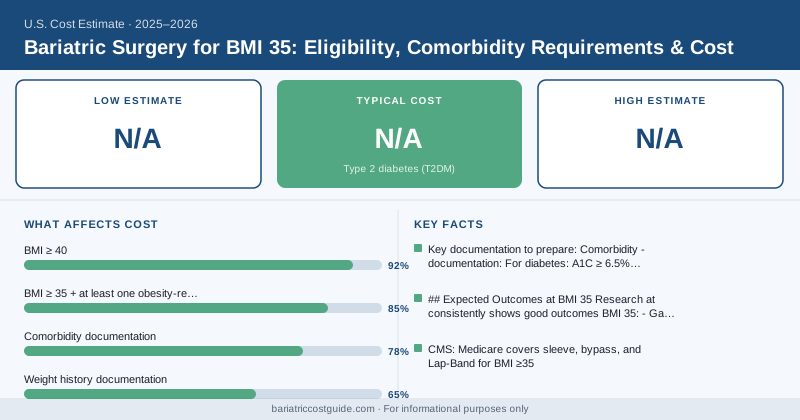
Bariatric Surgery for BMI 35: Eligibility, Comorbidity Requirements & Cost
{ if eq .Lang "zh" }{ else }{ end }Your BMI is 35. You have type 2 diabetes or high blood pressure. You’ve tried every diet program your doctor has recommended, and none of them have produced lasting results. You’re exactly the patient bariatric surgery was designed for — and yet you may feel uncertain about whether you “qualify.” You do. BMI 35 with one documented comorbidity is the standard Tier 2 eligibility threshold that’s been in place since the NIH 1991 consensus guidelines.
The question isn’t whether you qualify. It’s whether your insurance will approve it, how you document the comorbidity, and what the process looks like from consultation to surgery day.
The BMI 35 Eligibility Framework
The two standard eligibility tiers:
- BMI ≥ 40: No comorbidity required
- BMI ≥ 35 + at least one obesity-related comorbidity
Accepted comorbidities for the BMI 35 tier include:
| Comorbidity | Notes |
|---|---|
| Type 2 diabetes (T2DM) | Most strongly supported; best surgical evidence |
| Hypertension | On medication or documented elevated BP |
| Obstructive sleep apnea | Documented by sleep study |
| GERD / severe acid reflux | On medication or documented by scope |
| Hyperlipidemia / high cholesterol | On medication or documented labs |
| Osteoarthritis / degenerative joint disease | Weight-bearing joint involvement |
| Non-alcoholic fatty liver disease (NAFLD/NASH) | Diagnosed by imaging or biopsy |
| Urinary stress incontinence | Related to BMI and abdominal weight |
| Hypoventilation syndrome | Documented respiratory impact of weight |
Type 2 diabetes is the strongest comorbidity — the evidence for surgical remission is so robust that the American Diabetes Association (ADA) specifically endorses metabolic surgery for T2DM patients with BMI ≥ 35 in its 2023 Standards of Care.
What BMI 35 Surgery Costs
Costs are identical to any other bariatric surgery at the same facility. Your BMI level doesn’t change the procedure cost.
| Procedure | Self-Pay Cost Range |
|---|---|
| Gastric sleeve (sleeve gastrectomy) | $10,000 – $23,000 |
| Gastric bypass (RYGB) | $15,000 – $28,000 |
| Endoscopic sleeve gastroplasty (ESG) | $8,000 – $15,000 |
With insurance coverage, your out-of-pocket drops to deductible + co-insurance, typically $1,500–$6,000 total depending on your plan structure.
The Insurance Approval Process at BMI 35
This is where BMI 35 candidates often face more scrutiny than BMI 40+ candidates. Insurers are more likely to question whether the comorbidity is sufficiently documented and whether surgical intervention is truly warranted.
Key documentation to prepare:
Comorbidity documentation:
- For diabetes: A1C ≥ 6.5% on at least one lab draw, or diabetes diagnosis code from physician, or documentation of diabetes medication
- For hypertension: Blood pressure readings above 140/90 on at least two separate visits, or antihypertensive medication on record
- For sleep apnea: Sleep study (polysomnography) report with AHI ≥ 5 and CPAP prescription
Weight history documentation:
- Most insurers require 3–5 years of weight history showing BMI ≥ 35 — not just a recent measurement
- Primary care records, prior lab reports, anything that shows you’ve had this weight for years, not months
Non-surgical weight management attempts:
- 3–12 months of documented medically supervised diet and exercise program (requirement varies by plan)
- Behavior change counseling records
- Any prescription weight loss medication trials
Supervised Diet Program: What Counts
When insurance requires 3–6 months of “supervised weight management,” they typically mean:
- Monthly visits with a physician (not just a dietitian)
- Written dietary advice with specific calorie or macronutrient targets
- Documentation of exercise recommendations
- Weight measured and recorded at each visit
A commercial program (WW, Jenny Craig) alone usually doesn’t count. You need physician-supervised records. If you haven’t started this documentation process, start it immediately — it’s typically on the critical path to insurance approval.
Procedure Selection at BMI 35
At BMI 35, procedure selection matters for optimizing outcomes:
Gastric sleeve: Most commonly performed at all BMI levels. Effective for BMI 35 with good long-term data. Appropriate for most patients.
Gastric bypass: Especially strong evidence for diabetes remission. If T2DM is your primary comorbidity, bypass is often the preferred recommendation — not just for weight loss, but for diabetes resolution.
ESG (endoscopic sleeve gastroplasty): Emerging option for lower-BMI patients. Less invasive, no incisions, faster recovery. Less total weight loss than surgical sleeve, but appropriate for some BMI 35 candidates who want a less invasive approach.
Expected Outcomes at BMI 35
Research consistently shows good outcomes at BMI 35:
- Gastric sleeve: 50–65% excess weight loss at 1 year; 45–60% at 3 years
- Gastric bypass: 60–75% excess weight loss at 1 year; good sustained loss at 5 years
- Type 2 diabetes remission: 50–80% at 1–5 years, strongest with bypass
Because you’re starting at a lower BMI, your absolute weight lost in pounds will be less than a BMI 50 patient — but the metabolic and comorbidity improvement is comparable or better. Many BMI 35 patients achieve their goal weight and see their comorbidities resolve or significantly improve.
{ if eq .Lang "zh" }Disclaimer: BariatricCostGuide provides cost data for educational purposes only. We are not a medical provider, insurance company, or financial advisor. All costs are estimates based on published data and vary by location, facility, surgeon, insurance plan, and individual health factors. Consult a board-certified bariatric surgeon and your insurance carrier for personalized medical and cost advice.