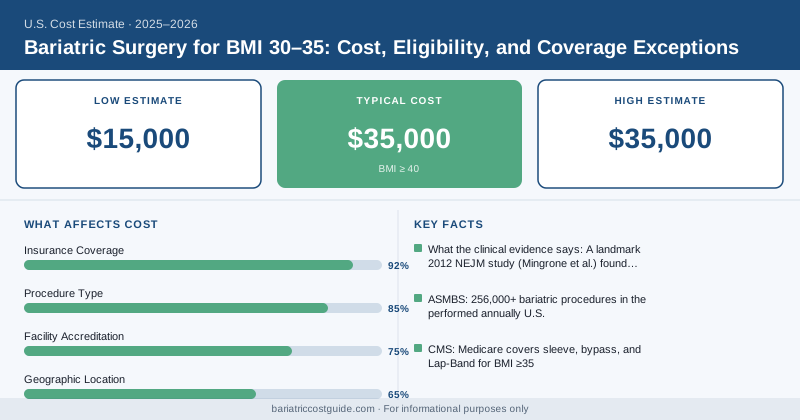
Bariatric Surgery for BMI 30–35: Cost, Eligibility, and Coverage Exceptions
{ if eq .Lang "zh" }{ else }{ end }Your BMI is 32. Your doctor says you have type 2 diabetes, high blood pressure, and sleep apnea. You want bariatric surgery. Your insurance says you don’t qualify.
This is one of the most frustrating situations in bariatric medicine — a patient with significant metabolic disease and demonstrated need is being held to a BMI threshold that was set based on data from the 1990s.
Here’s where the rules actually stand in 2026 and what your realistic options are.
The Standard BMI Requirements (And Why They’re Contested)
Most commercial insurers and Medicare require:
- BMI ≥ 40 (Class III obesity), OR
- BMI ≥ 35 with at least one major obesity-related comorbidity (type 2 diabetes, hypertension, sleep apnea, or dyslipidemia)
These thresholds come from the 1991 NIH Consensus Development Conference on Gastrointestinal Surgery for Severe Obesity — data that predates modern bariatric techniques, the laparoscopic revolution, and three decades of outcomes research.
The ASMBS updated its position in 2022, recommending bariatric surgery consideration for patients with BMI 30–34.9 with metabolic disease (particularly type 2 diabetes) — acknowledging that outcomes data supports surgery at lower BMI ranges. However, insurance coverage policy hasn’t kept pace with clinical guidelines.
| BMI Range | Standard Coverage Status | With Diabetes Exception | Self-Pay Cost |
|---|---|---|---|
| BMI ≥ 40 | Typically covered | Always qualifies | $15,000 – $35,000 |
| BMI 35–39.9 + comorbidity | Typically covered | Always qualifies | $15,000 – $35,000 |
| BMI 30–34.9 + diabetes | Usually NOT covered | Some plans make exception | $12,000 – $28,000 |
| BMI 27–29.9 | Not covered by insurance | No surgical exception | Not commonly offered |
The Diabetes Indication Exception
This is the pathway most BMI 30–35 patients can access. Multiple clinical societies — including the American Diabetes Association, the International Diabetes Federation, and the ASMBS — recommend metabolic surgery for type 2 diabetes patients with BMI as low as 30 when glycemic control hasn’t been achieved with medication.
What the clinical evidence says: A landmark 2012 NEJM study (Mingrone et al.) found that among patients with type 2 diabetes and BMI 35–60, bariatric surgery produced 75% complete diabetes remission at 2 years versus 0% in the medical treatment group. Subsequent studies showed benefit extending to BMI 30–35 patients.
What insurance actually covers: Coverage for BMI 30–34.9 varies widely by plan. Some commercial plans explicitly cover “metabolic surgery for diabetes” at lower BMI — written into the policy benefit language. Many do not. Medicare does not cover bariatric surgery below BMI 35 regardless of diabetes status.
The practical approach: have your bariatric surgeon’s office submit a prior authorization with the diabetes metabolic surgery indication (ICD-10 code E11.xx for type 2 diabetes plus Z68.30-Z68.34 for BMI 30–34.9). Some plans will approve this; many will deny on first submission but approve on appeal with supporting clinical documentation.
Building Your Case for Coverage at BMI 30–35
If your insurer denies bariatric surgery at BMI 30–35, your appeal needs to document:
Insufficient medication control: A1C ≥ 8.0% despite documented trials of metformin, SGLT-2 inhibitors, GLP-1 medications, insulin, or other agents.
Comorbidity burden: Multiple conditions — diabetes plus hypertension plus sleep apnea plus dyslipidemia — that collectively justify intervention even below BMI 35.
Clinical society support: The ASMBS 2022 guidelines explicitly recommend considering surgery at BMI 30–34.9 with metabolic disease. ADA Standards of Care cite metabolic surgery as appropriate for adults with type 2 diabetes and BMI ≥ 30 not achieving glycemic targets.
Prior treatment failure: Documentation of 6+ months of structured weight loss intervention (dietary counseling, supervised exercise, GLP-1 trial) that failed to adequately address the metabolic disease.
The Self-Pay Option for Lower BMI
If insurance won’t cover surgery at BMI 30–35, self-pay is an option — and some programs specifically market to this group. Self-pay costs for lower-BMI patients are in the same range as for standard patients, since the procedure itself is identical. Some programs offer modest self-pay discounts based on shorter anticipated operating time (lower-BMI patients have less adipose tissue to navigate).
Sleeve gastrectomy is the most commonly offered procedure for BMI 30–35 patients at self-pay pricing. Gastric bypass is less commonly recommended for lower-BMI patients without significant comorbidities, given the more invasive nature of the procedure.
What GLP-1 Medications Offer at This BMI Range
For BMI 30–35 patients who can’t access surgery, GLP-1 medications are both FDA-approved and may be more accessible. Wegovy and Zepbound are both approved at BMI ≥ 30 (or ≥ 27 with a comorbidity), with no BMI upper limit requirement.
The outcomes comparison at this BMI range:
- GLP-1 medications (tirzepatide): ~22% mean body weight loss in trials
- Gastric sleeve: ~25–30% total body weight loss
- The gap is smaller at BMI 30–35 than at higher BMIs
For a 210-pound patient at BMI 32, 22% from tirzepatide means losing 46 pounds vs. 25–30% from sleeve meaning 52–63 pounds. The clinical difference narrows considerably at lower starting BMI.
If surgery isn’t accessible and insurance covers GLP-1, medication may be the appropriate first-line option — with the understanding that medication is ongoing treatment, not a cure.
Bottom Line
Bariatric surgery at BMI 30–35 is rarely covered by insurance without a diabetes indication — and even with diabetes, coverage depends on your specific plan. Self-pay costs run $12,000–$28,000 for the same procedure. The diabetes metabolic surgery indication is the most viable coverage pathway at lower BMI: document treatment failure with A1C data, cite ASMBS 2022 guidelines, and expect an appeal process. For patients who can’t access surgery, GLP-1 medications are FDA-approved at BMI ≥ 30 and deliver clinically meaningful weight loss — with the tradeoff of indefinite treatment cost.
{ if eq .Lang "zh" }Disclaimer: BariatricCostGuide provides cost data for educational purposes only. We are not a medical provider, insurance company, or financial advisor. All costs are estimates based on published data and vary by location, facility, surgeon, insurance plan, and individual health factors. Consult a board-certified bariatric surgeon and your insurance carrier for personalized medical and cost advice.