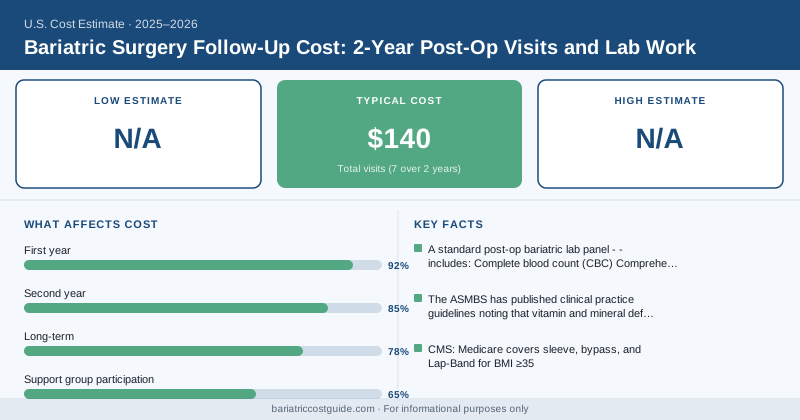
Bariatric Surgery Follow-Up Cost: 2-Year Post-Op Visits and Lab Work
{ if eq .Lang "zh" }{ else }{ end }The surgery is done. You’re discharged. You think the bills are mostly behind you. Then the follow-up appointments start.
Most bariatric programs have structured follow-up protocols that run 2+ years after surgery. Some are covered by insurance as routine post-surgical care. Some aren’t. Knowing which is which prevents surprises.
Standard Follow-Up Schedule at 2 Years
| Visit | Timing Post-Op | Typical Out-of-Pocket (Insured) | Uninsured Cost |
|---|---|---|---|
| Discharge follow-up | 1–2 weeks | $20 – $60 copay | $150 – $300 |
| First month follow-up | 1 month | $20 – $60 copay | $150 – $300 |
| 3-month follow-up | 3 months | $20 – $60 copay | $150 – $300 |
| 6-month follow-up | 6 months | $20 – $60 copay | $150 – $300 |
| 12-month follow-up | 12 months | $20 – $60 copay | $150 – $300 |
| 18-month follow-up | 18 months | $20 – $60 copay | $150 – $300 |
| 24-month follow-up | 24 months | $20 – $60 copay | $150 – $300 |
| Total visits (7 over 2 years) | — | $140 – $420 total | $1,050 – $2,100 total |
That’s the visit cost alone. Labs, dietitian visits, and psychological support add to this — and the coverage picture varies.
Lab Work at Follow-Up Visits
Each follow-up visit typically includes lab work. The ASMBS recommends labs at 3, 6, 12, 18, and 24 months post-op, then annually after that. A standard post-op bariatric lab panel includes:
- Complete blood count (CBC)
- Comprehensive metabolic panel (CMP)
- Iron studies (ferritin, serum iron, TIBC)
- Vitamin B12
- Folate
- 25-OH vitamin D
- Thiamine (B1) — especially for bypass patients
- Zinc and copper (especially for duodenal switch)
- PTH and calcium
Without insurance, a complete bariatric panel costs $200–$500 per draw. With insurance, most is covered as medically necessary post-surgical monitoring, and you typically pay $20–$75 per lab visit.
The ASMBS has published clinical practice guidelines noting that vitamin and mineral deficiencies affect a significant proportion of bypass and sleeve patients — B12 deficiency affects up to 30% of Roux-en-Y patients by 2 years post-op, and vitamin D insufficiency affects the majority of bariatric patients pre-operatively. Monitoring is medically necessary, not optional.
| Lab Scenario | Cost Per Draw | Draws in First 2 Years | 2-Year Lab Cost |
|---|---|---|---|
| Insured patient (specialist copay + lab copay) | $50 – $120 per visit | 5 draws | $250 – $600 |
| Self-pay patient (retail lab pricing) | $200 – $500 per draw | 5 draws | $1,000 – $2,500 |
| Self-pay with direct lab services (e.g., Lab Corp Self-Pay, Any Lab Test Now) | $100 – $200 per draw | 5 draws | $500 – $1,000 |
Nutrition Counseling Post-Op
Most bariatric programs require or strongly recommend ongoing registered dietitian (RD) visits post-surgery. The diet progression after bariatric surgery is complex — liquid phase, pureed phase, soft foods phase, regular diet — and each has specific guidance that differs by procedure.
- First year: 3–6 RD visits is typical. Cost: $100–$200 per visit uninsured; $20–$50 copay insured.
- Second year: 1–2 visits, or more if there are eating behavior concerns or inadequate weight loss.
- Long-term: Annual RD visits recommended indefinitely.
2-year nutrition counseling cost estimate:
- Insured: $120 – $400
- Uninsured: $600 – $1,600
Psychological and Behavioral Support
Some patients benefit from ongoing support group participation or individual counseling after surgery. This is particularly true in the period 12–24 months post-op when the “honeymoon phase” of rapid weight loss ends and behavioral challenges emerge.
- Support group participation: Often free through the bariatric program
- Individual therapy/counseling: $100–$200/session; $20–$75 copay with mental health coverage
- Online programs or apps (Bariatric Advantage, etc.): $20–$50/month
Most bariatric programs have a monthly in-person or virtual support group that’s included in your program fees. Participation is associated with better long-term weight loss maintenance.
What to Do If You Can't Afford Follow-Up Care
If cost is limiting your follow-up visits, prioritize this way:
Don’t skip labs. Deficiencies — especially B12, iron, and vitamin D — can become medically serious before you feel symptoms. If you can’t afford clinic visits, use direct-to-consumer lab services (LabCorp HealthCheckNow, Any Lab Test Now) for lower-cost lab draws.
Telehealth for follow-up visits. Many bariatric programs now offer telehealth visits that cost less than in-person appointments. Ask your program if this is available.
Community health centers. Federally Qualified Health Centers (FQHCs) provide sliding-scale care and can manage your post-bariatric follow-up at reduced cost.
Stay in the support group. Free or low-cost, and patients who remain connected to their bariatric community consistently show better outcomes than those who disappear after surgery.
Total 2-Year Follow-Up Cost Summary
| Patient Type | Visits | Labs | Nutrition | Other | 2-Year Total |
|---|---|---|---|---|---|
| Insured patient | $140 – $420 | $250 – $600 | $120 – $400 | $0 – $300 | $510 – $1,720 |
| Uninsured (full price) | $1,050 – $2,100 | $1,000 – $2,500 | $600 – $1,600 | $0 – $600 | $2,650 – $6,800 |
| Uninsured (discounted labs) | $1,050 – $2,100 | $500 – $1,000 | $600 – $1,600 | $0 – $600 | $2,150 – $5,300 |
The Bottom Line
Two-year post-op follow-up for bariatric surgery costs $510–$1,720 for insured patients and $2,150–$6,800 for self-pay patients covering visits, labs, and nutrition counseling. With insurance, this is a manageable ongoing cost; without coverage, direct lab services and telehealth visits can significantly reduce it. Don’t treat follow-up as optional — it’s where complications get caught early and long-term success gets reinforced.
{ if eq .Lang "zh" }Disclaimer: BariatricCostGuide provides cost data for educational purposes only. We are not a medical provider, insurance company, or financial advisor. All costs are estimates based on published data and vary by location, facility, surgeon, insurance plan, and individual health factors. Consult a board-certified bariatric surgeon and your insurance carrier for personalized medical and cost advice.