Bariatric Surgery Cost in Florida: Prices, Top Programs, and Miami Medical Tourism
{ if eq .Lang "zh" }{ else }{ end }Miami has one of the most developed medical tourism ecosystems in the US — and bariatric surgery is a significant piece of it. Patients from Latin America come to Miami for surgery. Patients from rural Florida come to Miami for surgery. And patients from high-cost states like New York and California fly to Florida specifically for lower bariatric pricing.
Here’s what bariatric surgery actually costs in Florida, why the pricing varies so widely, and how to evaluate the Miami medical tourism market without getting burned.
Florida Bariatric Surgery Pricing
Florida’s self-pay bariatric costs are generally below the national average, driven by a competitive market (many MBSAQIP-accredited programs), lower facility overhead in some areas, and the medical tourism volume that allows high-volume pricing.
| Procedure | Florida Self-Pay Range | US National Average |
|---|---|---|
| Gastric sleeve | $10,000 – $20,000 | $12,000 – $23,000 |
| Gastric bypass | $15,000 – $28,000 | $18,000 – $35,000 |
| Duodenal switch | $18,000 – $35,000 | $22,000 – $45,000 |
| Lap-Band removal + conversion | $16,000 – $32,000 | $18,000 – $40,000 |
| Gastric balloon | $6,000 – $11,000 | $7,000 – $12,000 |
Miami and South Florida programs tend to have the most competitive pricing due to high surgical volume and medical tourism infrastructure. Orlando and Tampa programs are also competitive. Smaller markets (Jacksonville, Gainesville, Tallahassee) may be higher depending on program size.
Why Florida Attracts Bariatric Medical Tourism
Florida has several structural advantages as a bariatric destination:
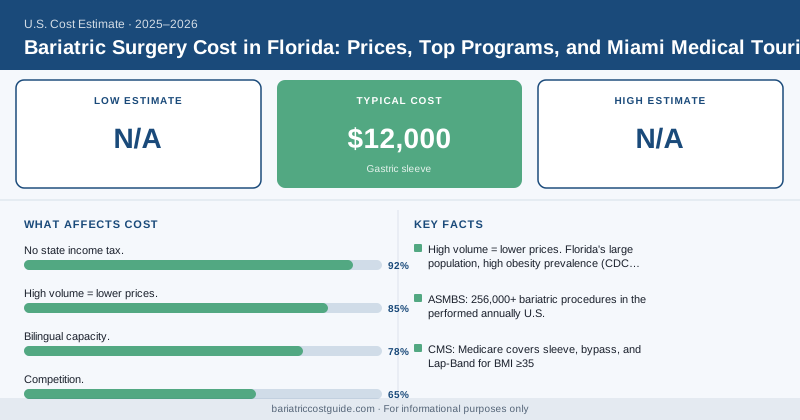
No state income tax. While this doesn’t directly reduce hospital costs, it makes Florida attractive for physicians and contributes to lower practice overhead compared to high-tax states.
High volume = lower prices. Florida’s large population, high obesity prevalence (CDC data: 34.2% of Florida adults have obesity as of 2023), and international patient influx create high surgical volumes that allow programs to offer competitive pricing.
Bilingual capacity. Miami programs routinely operate in Spanish and English, drawing patients from throughout Latin America and the Caribbean who prefer US quality standards over local options.
Competition. The Miami-Dade metropolitan area has numerous MBSAQIP-accredited bariatric programs competing for patients. Competition drives pricing and quality improvements.
Top Florida Bariatric Program Considerations
When evaluating Florida bariatric programs, prioritize:
MBSAQIP accreditation. Search the MBSAQIP locator for accredited programs in your target Florida city. Major accredited programs exist in Miami, Fort Lauderdale, Tampa, Orlando, and Jacksonville.
Surgeon volume. Target surgeons performing 100+ bariatric procedures annually. Florida’s high-volume environment means many surgeons achieve this threshold; verify specifically.
Long-term follow-up infrastructure. If you live out of state, confirm whether the program has a telehealth follow-up option for post-operative care. Flying back to Miami for every routine 6-month visit isn’t practical.
What’s included in the self-pay package. Florida programs often quote “all-inclusive” prices — verify exactly what’s included: surgeon fee, anesthesia, facility, pre-op lab work, hospital stay, and first follow-up visit. Packages that exclude anesthesia or pre-op testing can cost $2,000–$5,000 more than quoted.
The Miami Medical Tourism Market
Miami specifically has developed a robust bariatric medical tourism infrastructure. Programs that primarily serve medical tourists typically offer:
- Airport pickup and hotel coordination
- Interpreter services
- All-inclusive pricing (surgery + 1–3 nights hospital + pre-op labs)
- International patient coordinators
- Discounted pricing driven by cash-pay volume
The tradeoff: programs primarily oriented toward volume-driven international patients may have less robust long-term follow-up infrastructure for US patients. If you live in Miami or plan to stay for post-op follow-up, this matters less. If you’re flying in from another state, confirm the telehealth or local care coordination option before committing.
Insurance Coverage in Florida
Florida follows the same insurance coverage landscape as the rest of the US — coverage depends on your specific insurer and plan, not the state. Florida Medicaid (Healthy Kids, Sunshine Health, and other managed care plans) covers bariatric surgery for adults who meet medical criteria, similar to other state Medicaid programs.
Florida Blue (Blue Cross Blue Shield of Florida) is the dominant commercial insurer in the state and generally covers bariatric surgery at MBSAQIP facilities for qualifying members with BMI requirements met. Pre-authorization and MBSAQIP accreditation requirements apply.
Mexico vs. Florida: The Cost Comparison
Some Florida residents consider Mexico for even lower pricing. Monterrey and Tijuana programs offer sleeve gastrectomy for $4,000–$8,000 — significantly below Florida’s $10,000–$20,000.
The key differences:
- US accreditation doesn’t transfer to Mexican facilities
- Complications requiring care after returning to Florida may not be covered by your US insurer if you chose an out-of-network international facility
- Travel and hotel costs narrow the price gap for Florida residents compared to non-border states
- US legal recourse for malpractice doesn’t apply to Mexican procedures
For patients with insurance, Florida programs make far more financial sense than Mexico — the insurance benefit almost always exceeds the out-of-pocket difference. For self-pay patients without insurance, the Mexico price gap is real but comes with the tradeoffs above.
Bottom Line
Florida bariatric surgery runs $10,000–$20,000 for sleeve and $15,000–$28,000 for bypass — modestly below national averages in competitive markets like Miami, Tampa, and Orlando. Florida’s competitive landscape and medical tourism infrastructure benefit self-pay patients. For insured patients, coverage follows your plan’s national rules regardless of state. If you’re traveling to Florida for surgery, verify MBSAQIP accreditation, confirm the all-inclusive package details, and establish a plan for post-operative follow-up care in your home city before committing.
{ if eq .Lang "zh" }Disclaimer: BariatricCostGuide provides cost data for educational purposes only. We are not a medical provider, insurance company, or financial advisor. All costs are estimates based on published data and vary by location, facility, surgeon, insurance plan, and individual health factors. Consult a board-certified bariatric surgeon and your insurance carrier for personalized medical and cost advice.