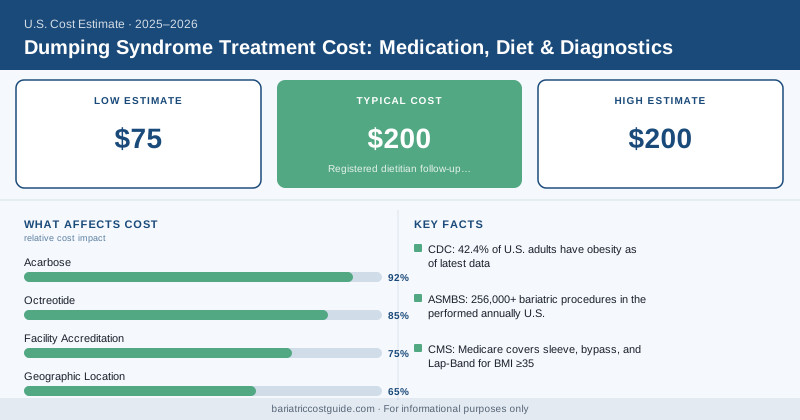
Dumping Syndrome Treatment Cost: Medication, Diet & Diagnostics
{ if eq .Lang "zh" }{ else }{ end }Most patients assume dumping syndrome is just something you push through with willpower — eat a little sugar, feel a little rough, move on. Wrong. For a meaningful share of gastric bypass patients, it’s a recurring, disruptive condition that needs an actual treatment plan, not just gritted teeth.
Here’s what treating it really costs, and why the price tag varies so much between patients.
What Dumping Syndrome Actually Is
Dumping syndrome happens when food — especially sugar and refined carbs — moves too quickly from your stomach pouch into your small intestine. Early symptoms (nausea, cramping, diarrhea, rapid heartbeat) hit within 30 minutes of eating. Late symptoms (shakiness, sweating, confusion from a blood sugar crash) can hit 1-3 hours later. The American Society for Metabolic and Bariatric Surgery estimates dumping syndrome affects up to 40% of gastric bypass patients to some degree, though severity varies enormously.
What Treatment Costs
| Treatment Approach | Estimated Cost |
|---|---|
| Registered dietitian follow-up visits | $75 – $200/visit |
| Oral glucose tolerance test (diagnostic) | $150 – $400 |
| Acarbose (generic, oral medication) | $20 – $60/month |
| Octreotide injections (severe cases) | $300 – $1,200/month |
| Continuous glucose monitor (optional) | $50 – $100/month |
For the vast majority of patients, treatment is entirely dietary — no medication needed. A dietitian helps you restructure meals: smaller portions, separating liquids from solids by 30 minutes, cutting added sugars, and prioritizing protein and fiber. That’s it for most people. Costs stay low, especially since nutritional counseling is often included in your surgical program’s first year of aftercare.
When Medication Becomes Necessary
For the smaller subset of patients — often those with late dumping syndrome that doesn’t respond to dietary changes — doctors may prescribe:
- Acarbose: Slows carbohydrate absorption, cheap and generic, but can cause GI side effects
- Octreotide: A synthetic hormone injection that slows gastric emptying; expensive but effective for severe, persistent cases
Octreotide is the real cost driver here. Brand-name injectable formulations can run well over $1,000/month without insurance, which is why documentation of failed dietary management is usually required before insurers approve it.
The 30-Minute Rule
Diagnostic Testing
If symptoms are unclear or severe, your doctor may order an oral glucose tolerance test to confirm dumping syndrome versus other causes (like an ulcer or stricture). This test alone runs $150-$400 without insurance, but it’s usually covered since it’s diagnostic for a recognized surgical complication.
The Long View
Most patients see dumping syndrome fade substantially within 12-18 months as eating habits adjust and the body adapts. For the minority with persistent symptoms, ongoing dietitian visits (a few hundred dollars a year) are far more common than the expensive medication route. Budget for the dietitian visits — they’re the highest-value, lowest-cost tool you have.
{ if eq .Lang "zh" }Disclaimer: BariatricCostGuide provides cost data for educational purposes only. We are not a medical provider, insurance company, or financial advisor. All costs are estimates based on published data and vary by location, facility, surgeon, insurance plan, and individual health factors. Consult a board-certified bariatric surgeon and your insurance carrier for personalized medical and cost advice.