Dumping Syndrome After Bariatric Surgery: Treatment Costs & Management
{ if eq .Lang "zh" }{ else }{ end }Most patients don’t hear much about dumping syndrome before surgery. Then they eat a slice of white bread at 6 weeks post-op and spend the next hour sweating, dizzy, and rushing to the bathroom — and suddenly it’s the only thing they want to understand.
Dumping syndrome affects an estimated 10–20% of gastric bypass patients and a smaller but meaningful percentage of gastric sleeve patients. The good news: for most people, it’s manageable with diet. The bad news: for the subset who develop severe or refractory dumping, medical management can become an ongoing cost that adds hundreds to thousands of dollars annually to life after bariatric surgery.
Early vs. Late Dumping: Two Different Problems
Understanding the distinction matters because the treatment — and the cost — differs.
Early dumping occurs 10–30 minutes after eating, when food moves too rapidly from the stomach pouch into the small intestine. Osmotic fluid shifts and hormone surges trigger symptoms: nausea, cramping, diarrhea, rapid heart rate, flushing, lightheadedness. Cause: food dumped too fast, often from high-carb or high-sugar foods.
Late dumping (reactive hypoglycemia) occurs 1–3 hours after eating, driven by excessive insulin release in response to rapidly absorbed glucose. Symptoms: weakness, trembling, sweating, confusion — classic hypoglycemia. In severe cases, late dumping can cause loss of consciousness.
A 2021 study in the Journal of the American Medical Association (JAMA Surgery) found that late dumping — particularly hypoglycemia — is significantly underdiagnosed in post-bariatric patients and can be confused with other conditions, delaying appropriate management by months.
The Cost of Dietary Management (First-Line Treatment)
Dietary modification is the first — and for most patients, the only — treatment needed. It’s not free, but it’s the cheapest option by far.
| Cost Category | Annual Estimate |
|---|---|
| Registered dietitian visits (4–6/year) | $400 – $1,200 |
| Continuous glucose monitor (for late dumping monitoring) | $600 – $1,800 |
| Low-glycemic specialty foods | $300 – $800/year incremental |
| Protein supplements (if eating pattern disrupted) | $400 – $900/year |
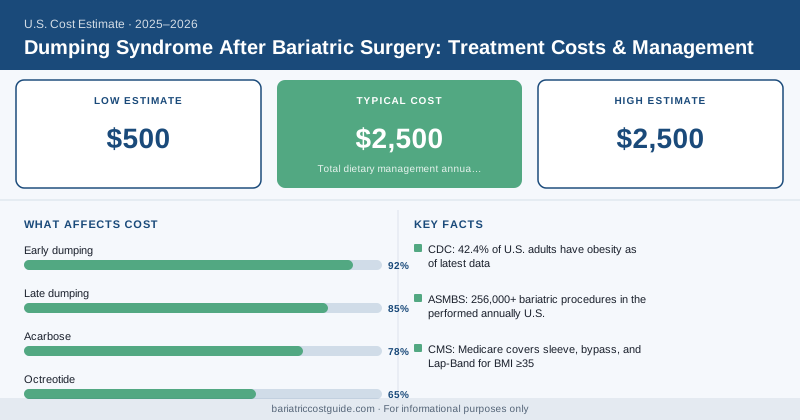
| Total dietary management annual cost | $500 – $2,500/year |
Dietary strategies that reduce dumping:
- Separate liquids from solids (no drinking during or for 30 minutes after meals)
- Eat small, frequent meals rather than large ones
- Minimize simple sugars and refined carbohydrates
- Increase protein and fiber to slow gastric transit
- Lie down briefly after eating (slows gastric emptying)
When Medical Treatment Is Needed
About 1–5% of post-bariatric patients develop refractory dumping that doesn’t respond adequately to dietary changes. These patients may need medical or procedural intervention — and costs escalate quickly.
Acarbose: A diabetes medication that slows carbohydrate absorption. Used off-label for late dumping. Monthly cost: $30–$120 (generic available). Often covered by insurance if documented hypoglycemia.
Octreotide: A somatostatin analog that slows GI motility and suppresses insulin release. Used for severe, refractory dumping syndrome. Available as short-acting injections or long-acting monthly depot (Sandostatin LAR). This is where costs jump dramatically.
| Octreotide Formulation | Monthly Cost (Uninsured) |
|---|---|
| Short-acting subcutaneous injection | $300 – $800/month |
| Sandostatin LAR depot injection (monthly) | $2,000 – $8,000/month |
| With insurance (after prior auth) | $50 – $500 copay/month |
Sandostatin LAR for severe dumping is one of the most expensive medications used in post-bariatric care. Getting insurance to cover it requires prior authorization documenting failed dietary management, failed acarbose trial, and persistent symptomatic hypoglycemia documented with labs.
Continuous Glucose Monitoring for Late Dumping Diagnosis
Many endocrinologists now use CGM (continuous glucose monitoring devices like Dexterity or Libre) to diagnose and monitor late dumping. A 2-week CGM trial costs $100–$300 self-pay and can document reactive hypoglycemia episodes that weren’t captured by standard lab draws.
This documentation is also useful when requesting insurance coverage for ongoing management — CGM data showing glucose drops to 60 mg/dL after meals is hard for an insurer to argue with.
Diagnostic Workup Costs
If you’re experiencing symptoms that might be dumping syndrome, the diagnostic process involves:
- Mixed meal tolerance test or oral glucose challenge test: Documents glucose response pattern. $150–$400, usually covered by insurance when hypoglycemia is documented.
- Endocrinology consultation: $200–$500 for initial visit (covered if hypoglycemia ICD-10 codes are on the referral)
- Upper endoscopy: $800–$3,000, to rule out other causes of symptoms. Usually covered for post-bariatric complications.
Total diagnostic workup: $500–$2,000, most of which insurance typically covers when ordered for documented post-surgical complications.
Surgical Options for Severe Refractory Dumping
In rare cases (roughly 1% of bariatric patients), dumping syndrome is severe enough that revision surgery is considered. Options include:
- Pyloric ring reconstruction (for post-bypass patients)
- Roux limb revision — adjusting the anatomy to slow transit
- Conversion to DS or another anatomy: Rare last resort
These procedures run $18,000–$35,000, with variable insurance coverage depending on whether the insurer classifies them as complication treatment (covered) vs. revision (variable). See the related article on revision surgery for full cost detail.
Managing the Annual Cost
For most patients managing dumping syndrome with diet alone, the incremental annual cost is modest — a few additional dietitian visits and some food pattern adjustments. For the minority who need ongoing medical management, budget:
- Mild/dietary: $500–$1,500/year
- Moderate (acarbose + dietitian + monitoring): $1,500–$3,000/year
- Severe (octreotide + frequent specialist visits): $5,000–$15,000+/year
The severe category is uncommon. But knowing it exists — and that insurance can be convinced to cover the expensive options with the right documentation — is worth understanding before you’re in the middle of it.
{ if eq .Lang "zh" }Disclaimer: BariatricCostGuide provides cost data for educational purposes only. We are not a medical provider, insurance company, or financial advisor. All costs are estimates based on published data and vary by location, facility, surgeon, insurance plan, and individual health factors. Consult a board-certified bariatric surgeon and your insurance carrier for personalized medical and cost advice.