Dental Costs After Bariatric Surgery: Acid Erosion, Deficiencies & What to Budget
{ if eq .Lang "zh" }{ else }{ end }42% of post-bariatric patients report significant dental problems within 3 years of surgery. That figure comes from a 2021 study in Obesity Surgery, and it tracks with what bariatric programs see clinically: patients who didn’t budget for dental care after surgery, who didn’t know it was a risk, and who end up with significant out-of-pocket costs from enamel erosion, sensitivity, cavities, or worse.
Your weight loss surgery center almost certainly didn’t mention dental costs as part of your financial preparation. Let’s fix that.
What Dental Care Actually Costs Post-Bariatric Surgery
The range here is wide because the severity varies enormously by procedure type, individual anatomy, and how proactively you manage it.
| Dental Issue | Cost Range | Who’s Most Affected |
|---|---|---|
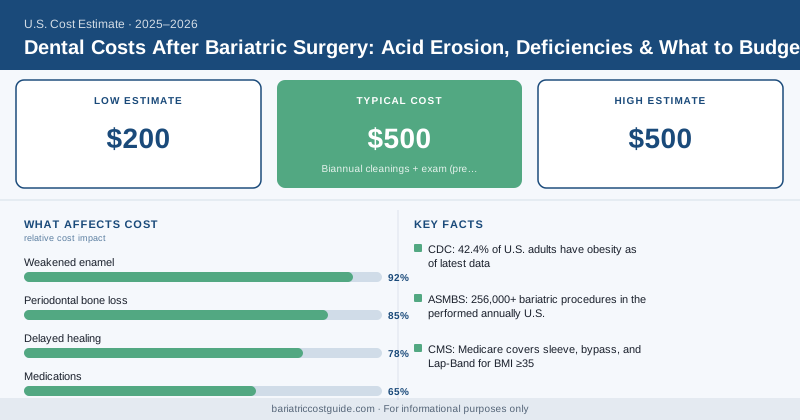
| Biannual cleanings + exam (preventive) | $200 – $500/year | All post-bariatric patients |
| Fluoride treatments (prescription-strength) | $40 – $150/visit | Patients with acid exposure |
| Desensitizing treatments | $50 – $200/visit | Sleeve/bypass patients with reflux |
| Composite fillings (per tooth) | $150 – $300 | Calcium-deficient patients |
| Crowns (per tooth) | $1,200 – $2,500 | Moderate to severe erosion cases |
| Root canal + crown | $2,000 – $4,500 per tooth | Severe erosion or decay |
| Dental veneers (cosmetic) | $1,000 – $2,500 per tooth | Patients with generalized erosion |
| Full mouth restoration (severe cases) | $10,000 – $45,000 | Extreme erosion/neglect scenarios |
Most patients who manage their post-op dental care proactively stay in the $400–$800/year range for the first 2–3 years, then return to normal preventive care costs. Patients who don’t get ahead of it can face $3,000–$10,000+ in restorative work within 5 years.
Why Bariatric Surgery Affects Your Teeth
There are three distinct mechanisms, and they work independently — meaning you can be affected by any combination of them.
1. Gastroesophageal Reflux and Acid Erosion
Gastric sleeve is the bariatric procedure most associated with new or worsened GERD (gastroesophageal reflux disease). When the stomach is reduced to a tube, the lower esophageal sphincter (LES) dynamics change, and acid reflux increases in a significant minority of sleeve patients — estimates range from 20–30% experience new or worsened GERD post-sleeve.
Stomach acid at pH 1–3 dissolves tooth enamel with repeated exposure. Patients who vomit or regurgitate frequently — or who have silent acid reflux during sleep — are getting acid directly on their teeth without knowing it. The pattern is characteristic: smooth, cupped erosion on the palatal (tongue-facing) surfaces of the upper teeth.
Gastric bypass generally reduces GERD by rerouting acid away from the esophagus. If GERD is a concern for you, this is one clinical argument for bypass over sleeve.
2. Nutritional Deficiencies and Enamel Weakening
Calcium, vitamin D, and phosphate are the structural building blocks of dental enamel and dentin. Bariatric surgery — particularly bypass and duodenal switch — reduces absorption of calcium and vitamin D significantly.
Post-bariatric patients who don’t supplement adequately develop:
- Weakened enamel — more susceptible to cavity formation and erosion
- Periodontal bone loss — the bone supporting your teeth thins with systemic calcium depletion
- Delayed healing — if you need any dental procedures, extraction sockets and implant sites heal more slowly in calcium-deficient patients
The ASMBS recommends calcium citrate supplementation (not carbonate) at 1,200–1,500 mg daily for all bariatric patients. If you’re taking calcium carbonate — which requires stomach acid for absorption — it’s less effective in post-surgical anatomy where acid is reduced. Citrate absorbs without acid.
3. Dry Mouth (Xerostomia)
Saliva is your mouth’s built-in defense system. It neutralizes acid, remineralizes enamel, and washes away bacteria. Many bariatric patients experience dry mouth for several reasons:
- Medications — antihypertensives, antidepressants, and antihistamines commonly prescribed for bariatric comorbidities all reduce saliva flow
- Reduced oral fluid intake — post-surgery fluid restrictions and the focus on protein intake often crowd out plain water
- Dehydration — common in the first 6–12 months post-surgery as patients struggle to meet fluid goals
Saliva flow of 1.5 liters per day is considered normal. Patients with xerostomia have significantly higher cavity rates — particularly on root surfaces and at the gum line.
The Three Post-Bariatric Dental Rules
Your dentist should know about your surgery. Most don’t ask, and most patients don’t tell them. Three things change with your dental care after bariatric surgery:
1. Frequency: Move to 3–4 cleanings per year instead of 2, especially in the first 2 years. Early acid erosion is detectable and treatable if caught early.
2. Supplements: Ask your dentist about prescription fluoride toothpaste (5,000 ppm vs. 1,000 ppm in OTC products) and whether remineralizing products like MI Paste are appropriate for you.
3. Timing: Don’t brush your teeth for at least 30–60 minutes after vomiting or acid reflux. The acid softens enamel temporarily — brushing during this window removes enamel. Rinse with water or a baking soda solution instead.
What Procedure You Had Matters
Different bariatric procedures carry different dental risk profiles.
Gastric sleeve — Highest GERD risk. Acid erosion is the primary dental concern. Prioritize GERD management (PPI medication, positional sleeping adjustments) and see your dentist every 3–4 months for the first year.
Gastric bypass — Generally lower GERD risk than sleeve. Calcium malabsorption is the primary dental concern. Calcium citrate supplementation is especially important.
Duodenal switch — Highest malabsorption of any procedure. Calcium, vitamin D, and fat-soluble vitamin deficiencies are severe. Duodenal switch patients need aggressive supplementation monitoring and should have dental bone density awareness (DEXA scans for systemic bone, and your dentist can assess jaw bone density on X-rays).
Lap-Band (now rare) — Band slippage causing reflux is a known complication. Dental acid erosion risk exists if slippage occurs. Most Lap-Band patients are now being revised to other procedures.
Prevention Strategies That Actually Work
The good news: most post-bariatric dental complications are preventable with the right protocol.
Immediately post-surgery:
- Tell your dentist what procedure you had and when — be specific
- Schedule a dental exam within 3 months of surgery, not just your next annual
- Start calcium citrate supplementation as directed by your bariatric team
Ongoing:
- Use a remineralizing fluoride rinse (ACT or prescription equivalent) daily before bed
- Drink water throughout the day — aim for sips between meals, not just during
- Avoid acidic beverages (diet soda, sparkling water, citrus juice) — they compound acid erosion
- If you’re on PPIs for GERD, take them as prescribed; reflux-related erosion is fast once it starts
- Get professional fluoride varnish applied at each cleaning visit
Watch for warning signs:
- Tooth sensitivity to cold or sweets (early erosion)
- Discoloration or yellowing of enamel (secondary dentin exposure)
- Chipping of front teeth that didn’t used to chip (enamel weakening)
- Visible scooping or cupping on chewing surfaces
Dental Implants After Bariatric Surgery
If you need dental implants post-surgery, timing and calcium status matter. Implant osseointegration (the fusion of the titanium implant to your jawbone) depends on adequate bone density and calcium availability. Patients with bariatric surgery-related calcium deficiency have higher implant failure rates.
Most oral surgeons will want to see your recent calcium and vitamin D labs before placing implants. If your levels are low, they’ll require optimization before proceeding. This adds 3–6 months to your timeline but significantly improves your implant success rate.
The cost of dental implants in bariatric patients — if you need them due to tooth loss from erosion or decay — runs $3,000–$5,000 per implant, typically not covered by standard dental insurance. This is the worst-case scenario of not managing post-bariatric dental health early.
The most cost-effective approach: invest $400–$600/year in more frequent preventive dental care for the first 2–3 years post-surgery, and it’s very likely you’ll avoid the restorative and implant costs entirely.
For overall bariatric surgery complication costs, see that guide. For supplementation guidance that directly affects dental health, your bariatric program’s dietitian is the right starting resource.
{ if eq .Lang "zh" }Disclaimer: BariatricCostGuide provides cost data for educational purposes only. We are not a medical provider, insurance company, or financial advisor. All costs are estimates based on published data and vary by location, facility, surgeon, insurance plan, and individual health factors. Consult a board-certified bariatric surgeon and your insurance carrier for personalized medical and cost advice.