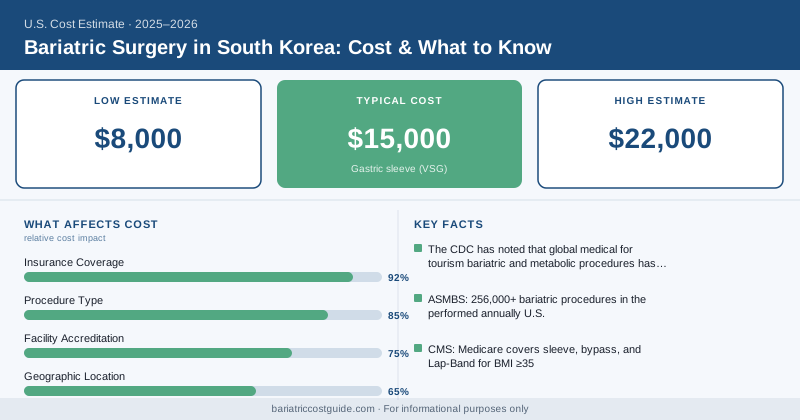
Bariatric Surgery in South Korea: Cost & What to Know
{ if eq .Lang "zh" }{ else }{ end }Why are Americans flying 13 hours to Seoul for weight-loss surgery? The short answer: hospital technology that rivals or exceeds many U.S. facilities, at roughly half the price.
South Korea built its global medical tourism reputation on cosmetic and reconstructive surgery. Bariatric surgery is a newer but fast-growing addition, and the infrastructure behind it — robotic surgical systems, JCI-accredited hospitals, English-speaking international patient coordinators — is already in place.
What Bariatric Surgery Costs in South Korea
| Procedure | Seoul, South Korea | U.S. Self-Pay |
|---|---|---|
| Gastric sleeve (VSG) | $8,000 – $12,000 | $15,000 – $22,000 |
| Gastric bypass (RYGB) | $10,000 – $14,000 | $18,000 – $28,000 |
| Robotic-assisted procedures (premium option) | $12,000 – $17,000 | $22,000 – $35,000 |
Notably, South Korea is one of the few medical tourism destinations where robotic-assisted bariatric surgery is widely available and still priced well below equivalent U.S. robotic procedures — a meaningful option for patients specifically interested in that surgical approach.
Why the Total Trip Cost Runs Higher Than Latin America
South Korea’s savings on the surgery itself are significant, but the total trip economics look different than closer destinations:
| Expense | South Korea | Mexico (Comparison) |
|---|---|---|
| Round-trip flight from U.S. | $900 – $1,800 | $300 – $600 |
| Flight duration | 13 – 16 hours | 2 – 4 hours |
| Recommended stay length | 10 – 14 days | 7 – 10 days |
For patients specifically drawn to South Korea’s hospital technology or already planning travel to the region, the math works well. For patients purely optimizing for lowest total cost, Mexico or Colombia typically come out ahead once flights are factored in.
Ask About English-Language Support Specifically
What’s Driving the Growth
South Korea’s medical tourism authority has actively promoted the country’s surgical technology sector, and several hospitals have added dedicated bariatric surgery programs with surgeons trained partly abroad in the U.S. or Europe. The CDC has noted that global medical tourism for bariatric and metabolic procedures has grown substantially over the past decade as patients seek lower-cost alternatives to domestic self-pay rates that can exceed $20,000.
What to Verify Before Booking
- Confirm JCI accreditation (Joint Commission International) for the specific hospital, not just the country generally
- Ask for the surgeon’s specific training background and case volume for your chosen procedure
- Clarify what post-op support is available once you return home — this is the piece most patients underestimate
- Get a full written quote covering surgery, hospital stay, and any required pre-op testing, not just a headline surgery price
The Bottom Line
South Korea offers genuinely advanced surgical technology at a meaningful discount to U.S. prices, but the long flight and higher total trip cost compared to Latin American alternatives mean it makes the most sense for patients specifically prioritizing hospital technology and surgical approach over the absolute lowest total price. Review our full medical tourism comparison guide to weigh all destinations side by side.
{ if eq .Lang "zh" }Disclaimer: BariatricCostGuide provides cost data for educational purposes only. We are not a medical provider, insurance company, or financial advisor. All costs are estimates based on published data and vary by location, facility, surgeon, insurance plan, and individual health factors. Consult a board-certified bariatric surgeon and your insurance carrier for personalized medical and cost advice.