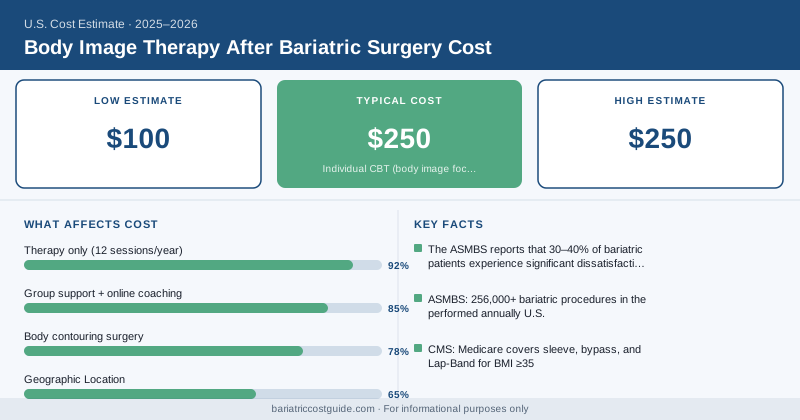
Body Image Therapy After Bariatric Surgery Cost
{ if eq .Lang "zh" }{ else }{ end }Most patients think body dissatisfaction ends when the weight does. It doesn’t — and the research backs that up. The ASMBS reports that 30–40% of bariatric patients experience significant dissatisfaction with loose skin even after losing 100 or more pounds. And dissatisfaction with loose skin is only part of it. Identity, relationships, and the mirror can all become complicated territory in ways that surprise people who expected to feel transformed. Psychological support exists for all of it, and understanding what it costs helps you plan for the full picture of bariatric surgery recovery — not just the physical part.
The Case for Post-Op Therapy
Here’s what the outcomes research shows: patients who receive structured psychological support after bariatric surgery have better long-term weight maintenance. A 2021 analysis in the Journal of Bariatric and Metabolic Surgery found that ongoing psychosocial intervention post-op was one of the strongest predictors of sustained weight loss at five years — stronger than procedure type alone.
Body image disturbance after bariatric surgery isn’t vanity. It’s a documented clinical phenomenon. Patients may experience a disconnect between their actual body and their internal body image. Some develop features of body dysmorphic disorder. Others find that loose skin becomes a fixation that drives anxiety and avoidance. Cognitive-behavioral therapy (CBT) adapted for body image is the evidence-based intervention for all of these.
Therapy and Coaching Costs
| Service | Format | Cost |
|---|---|---|
| Individual CBT (body image focus) | Weekly sessions | $100 – $250/session |
| Bariatric-specific group therapy | Center-based | Free – $50/session |
| Online bariatric coaching programs | Monthly subscription | $50 – $200/month |
| Psychiatric evaluation (if medication warranted) | One-time + follow-up | $250 – $500 initial; $100 – $200/follow-up |
| Telehealth therapy (BetterHelp, Brightside, etc.) | Monthly plan | $60 – $100/week |
Individual CBT with a therapist who has bariatric-specific training is the gold standard — and it’s the most expensive option at scale. A realistic course of treatment is 12–20 sessions, putting the total cost at $1,200–$5,000 at self-pay rates. Insurance coverage varies significantly. Mental health parity laws require most plans to cover therapy when medically indicated, but “body image concerns” may need to be coded as an anxiety or adjustment disorder for coverage to apply.
Many Bariatric Programs Include Post-Op Therapy — Check Before Paying Out of Pocket
Group therapy at bariatric centers is often free or nearly free for program patients — and it’s more effective than many people expect. Peer support from others navigating the same loose-skin anxiety, relationship changes, and identity shifts can normalize the experience in ways individual therapy can’t fully replicate. Look for programs affiliated with accredited bariatric centers of excellence, which are more likely to offer structured post-op support groups.
When Body Image Is Tied to Loose Skin
You can’t therapy away excess skin. After losing 100–200 pounds, many patients are left with significant skin folds at the abdomen, thighs, arms, and breasts that don’t resolve regardless of exercise or time. If the body image distress is specifically tied to loose skin — and it often is — body contouring surgery is a legitimate part of the conversation.
| Procedure | What It Addresses | Typical Self-Pay Cost |
|---|---|---|
| Panniculectomy | Abdominal skin/fat apron | $5,000 – $12,000 |
| Tummy tuck (abdominoplasty) | Abdominal skin + muscle repair | $8,000 – $15,000 |
| Lower body lift (belt lipectomy) | Abdomen + buttocks + thighs | $12,000 – $25,000 |
| Arm lift (brachioplasty) | Upper arm skin excess | $4,000 – $8,000 |
| Thigh lift | Inner/outer thigh skin | $5,000 – $10,000 |
| Full body contouring (staged) | Total post-bariatric transformation | $20,000 – $30,000+ |
Panniculectomy — removal of the hanging abdominal skin panel — is sometimes covered by insurance when it causes documented skin infections, rashes, or functional impairment. The cosmetic components (muscle repair, liposuction, contouring) almost never are. If you’re planning body contouring, most surgeons recommend waiting at least 12–18 months after bariatric surgery and reaching a stable weight before proceeding.
Putting It Together: Annual Body Image Support Budget
- Therapy only (12 sessions/year): $1,200–$3,000 self-pay; often partially covered by insurance
- Group support + online coaching: $600–$2,400/year
- Body contouring surgery: $5,000–$30,000+ depending on scope (usually staged over 2–4 years)
The psychological work matters as much as the physical work. Weight loss surgery changes your body. It doesn’t automatically change how you see yourself — that takes deliberate effort, often with professional support. Budget for it the same way you budget for vitamins and follow-up labs: not as optional, but as part of the full cost of getting well.
{ if eq .Lang "zh" }Disclaimer: BariatricCostGuide provides cost data for educational purposes only. We are not a medical provider, insurance company, or financial advisor. All costs are estimates based on published data and vary by location, facility, surgeon, insurance plan, and individual health factors. Consult a board-certified bariatric surgeon and your insurance carrier for personalized medical and cost advice.