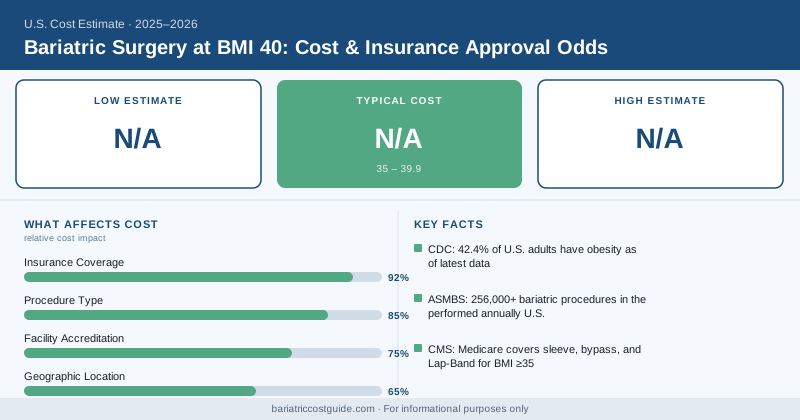
Bariatric Surgery at BMI 40: Cost & Insurance Approval Odds
{ if eq .Lang "zh" }{ else }{ end }At BMI 39, insurers scrutinize your chart for a qualifying comorbidity. At BMI 40, that requirement often disappears entirely. It’s a threshold that changes the entire approval conversation — even though the surgery itself doesn’t change at all.
Why BMI 40 Simplifies Insurance Approval
The 1991 NIH Consensus Statement — still the reference document most insurers cite in their clinical policy bulletins — set BMI 40 as the point where surgery is considered medically appropriate regardless of comorbidities. In practice, this means:
| BMI Range | Comorbidity Required for Coverage |
|---|---|
| 35 – 39.9 | Yes, typically one documented condition |
| 40+ | No, generally approved on BMI alone |
| 50+ | No — often steered toward gastric bypass or duodenal switch for greater excess weight loss |
That said, “no comorbidity required” doesn’t mean “no requirements at all.” You still typically need a supervised diet history, psychological clearance, and documentation that non-surgical approaches haven’t been sufficient.
What Surgery Costs at BMI 40
| Procedure | Self-Pay Cost | Typical Insured Out-of-Pocket |
|---|---|---|
| Gastric sleeve | $15,000 – $22,000 | $1,500 – $5,000 |
| Gastric bypass | $18,000 – $28,000 | $2,000 – $6,000 |
| Duodenal switch | $20,000 – $32,000 | $2,500 – $7,000 |
Patients at higher BMI ranges are sometimes steered toward gastric bypass or duodenal switch rather than sleeve, since these procedures tend to produce greater average excess weight loss — relevant when starting weight is significantly higher.
Which Procedure Is Recommended at BMI 40+?
Surgeons weigh several factors beyond BMI alone: existing comorbidities, eating patterns (grazing versus large meals), prior abdominal surgeries, and personal preference around the tradeoffs between weight loss magnitude and nutritional risk.
- Gastric sleeve: Still commonly performed even at higher BMI, simpler recovery, lower malabsorption risk
- Gastric bypass: Often favored when type 2 diabetes is present alongside high BMI, given strong diabetes remission data
- Duodenal switch: Reserved for BMI 50+ in many programs, or BMI 40+ with severe metabolic disease, due to superior weight loss but higher nutritional monitoring burden
Ask About Insurer-Specific BMI Documentation Rules
What About BMI 40 Without Any Comorbidities?
Even without comorbidities, a BMI of 40 alone represents Class III obesity, which the CDC and clinical literature consistently associate with elevated long-term risk for diabetes, cardiovascular disease, and reduced life expectancy — which is exactly why the medical criteria don’t require a comorbidity at this threshold in the first place.
Comparing to BMI 35
If your BMI sits closer to 35, review our guide on bariatric surgery at BMI 35 — the comorbidity documentation burden there is meaningfully higher, even though the surgical cost is nearly identical.
{ if eq .Lang "zh" }Disclaimer: BariatricCostGuide provides cost data for educational purposes only. We are not a medical provider, insurance company, or financial advisor. All costs are estimates based on published data and vary by location, facility, surgeon, insurance plan, and individual health factors. Consult a board-certified bariatric surgeon and your insurance carrier for personalized medical and cost advice.